Formula 1 returns to Africa with Rwanda Grand Prix deal from early 2030s
Synopsis
For the first time since 1993, Formula 1 will race in Africa — and it won't be South Africa. Rwanda has secured a 10-year deal for a purpose-built African Grand Prix circuit in Bugesera, with races set from the early 2030s. It closes a 30-year continental absence and makes F1 the first motorsport championship to race on every inhabited continent.
Key Takeaways
Formula 1 confirmed a 10-year agreement with Rwanda for the African Grand Prix on 13 October 2026 .
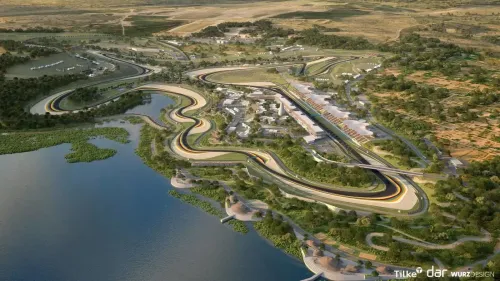
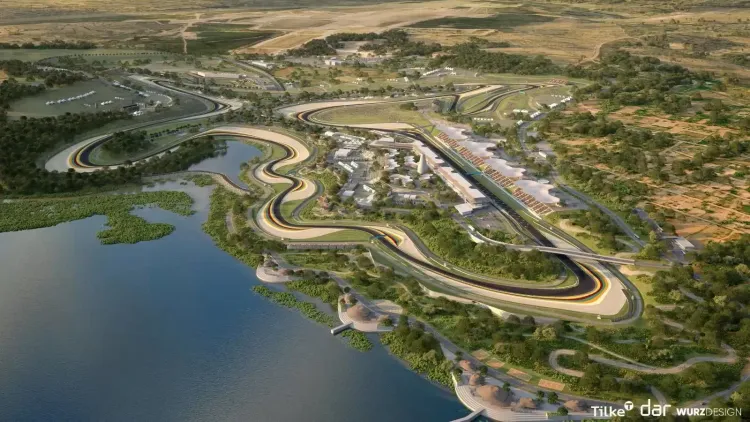
Races are expected to begin from the early 2030s , once a new circuit in Bugesera District , eastern Rwanda, is completed.
Rwandan President Paul Kagame announced the deal at a ceremony in Kigali , attended by senior F1 officials.
The agreement ends F1's absence from Africa, which has lasted since 1993 — over 30 years .
F1 CEO Stefano Domenicali said Rwanda's inclusion means the sport will race on every inhabited continent .
South Africa had pursued its own F1 return via Kyalami and a proposed Cape Town street circuit, but no deal has been reached.
Formula 1 is set to race on the African continent for the first time since 1993, after a landmark 10-year agreement was confirmed on Tuesday, 13 October 2026, designating Rwanda as the host of the African Grand Prix. The deal was announced by Rwandan President Paul Kagame at a ceremony in Kigali, attended by senior Formula 1 officials, with races expected to begin from the early 2030s.
The Historic Deal
F1 Chief Executive Officer Stefano Domenicali described the agreement as a defining chapter for the sport. 'Today is a landmark moment for Formula 1,' Domenicali said. 'With Rwanda joining the calendar from the next decade, our sport will race in every inhabited continent, bringing the World Championship closer than ever to fans around the globe.'
President Kagame framed the occasion in sweeping terms: 'Today belongs to Africa. For more than three decades, the world's premier motorsport championship has raced without this continent, and that changes with this agreement.' He added that Rwanda is proud to share the moment with 'more than 100 million fans across Africa, many of them young people who deserve to see the sport at home and to see themselves in it: as engineers, technicians, entrepreneurs and, one day, drivers.'
The New Circuit in Bugesera
The first race in Rwanda will take place only after a new, purpose-built circuit is completed in the Bugesera District of eastern Rwanda. Construction is expected to conclude early in the next decade, aligning with F1's projected timeline for the inaugural event. President Kagame said the Bugesera circuit will generate jobs, skills, tourism and new business for Rwanda and the broader region for decades to come.
Africa's Formula 1 History
Africa's relationship with Formula 1 stretches back to 1958, when Morocco staged the season finale at the Ain-Diab circuit in Casablanca. South Africa then became the continent's primary F1 venue, hosting its first World Championship race in 1962 at East London. The event moved to Kyalami, near Johannesburg, in 1967.
The South African Grand Prix continued at Kyalami through the apartheid era before being dropped from the calendar after 1985 amid mounting international opposition to racial segregation. F1 briefly returned for races in 1992 and 1993 as South Africa began its transition away from apartheid — the last time the sport was held anywhere on the continent.
In recent years, South Africa has pursued its own comeback bid, with proposals centred on both Kyalami and a potential street circuit in Cape Town. However, no deal has materialised, making Rwanda's agreement all the more significant in the continental context.
What This Means for F1 and the Region
The Rwanda deal closes a 30-year gap in F1's continental presence and fulfils a long-stated ambition to race on every inhabited continent. For Africa, it represents a generational sporting and economic milestone — with Rwanda positioning itself as a hub of international sport and infrastructure investment. The partnership is also seen as a signal of Rwanda's broader ambitions as a destination for global business and tourism.
With circuit construction still ahead, the precise race date remains to be confirmed, but all indicators point to the African Grand Prix becoming a fixture on the F1 calendar within this decade.
Point of View
The history and the Kyalami pedigree — yet Rwanda, with no existing circuit, won the deal. That outcome reflects both Rwanda's aggressive positioning as Africa's global-events hub and F1's preference for long-term government-backed investment over legacy venues with complicated political histories. The real question is whether the Bugesera circuit can be delivered on time and to grade — purpose-built F1 venues have a chequered record of cost overruns and delays. If it succeeds, the African Grand Prix could redefine Rwanda's brand internationally; if it stalls, F1's 30-year continental absence may quietly extend further.
NationPress
13 Oct 2026
Frequently Asked Questions
When will Formula 1 return to Africa with the Rwanda Grand Prix?
Formula 1 is set to race in Rwanda from the early 2030s, once a new purpose-built circuit in the Bugesera District of eastern Rwanda is completed. The 10-year deal was confirmed on 13 October 2026.
Where will the African Grand Prix circuit be built in Rwanda?
The circuit will be constructed in the Bugesera District in eastern Rwanda. It is expected to be completed early in the next decade, after which the first race will be held.
Why is the Rwanda F1 deal historically significant?
It marks Formula 1's first return to Africa since 1993, ending a more than 30-year absence from the continent. The deal also means F1 will become the first World Championship to race on every inhabited continent.
What did F1 CEO Stefano Domenicali say about the Rwanda deal?
Domenicali called it 'a landmark moment for Formula 1,' saying Rwanda's inclusion means the sport will race on every inhabited continent and bring the World Championship closer to fans around the globe.
Why did South Africa not secure the African Grand Prix instead?
South Africa has been pursuing its own F1 return for years, with proposals for both the Kyalami circuit near Johannesburg and a potential Cape Town street circuit. However, no agreement has materialised, leaving Rwanda to clinch the continent's first F1 deal in over three decades.