'Martyrs Will Never Be Forgotten': Gambhir Honors Jallianwala Bagh Martyrs
Synopsis
Gautam Gambhir commemorates the Jallianwala Bagh Massacre on its 107th anniversary, reflecting on the tragedy that reshaped India's freedom struggle. His poignant message on social media emphasizes the enduring legacy of those who sacrificed their lives.
Key Takeaways
Gautam Gambhir honors the martyrs of Jallianwala Bagh.
The massacre occurred on April 13, 1919, during a public gathering.
Colonel Reginald Dyer ordered troops to fire with no warning.
Officially reported casualties are believed to be underreported.
This event marked a significant turning point in India's fight for independence.
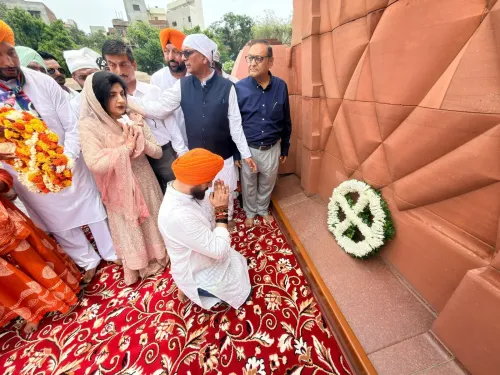
New Delhi, April 13 (NationPress) Gautam Gambhir, the head coach of Team India, paid a heartfelt tribute on Monday to those who perished during the Jallianwala Bagh incident. The date, April 13, 2026, marks the 107th anniversary of the Jallianwala Bagh Massacre, a profoundly significant and somber episode in India's quest for independence and autonomy.
Gambhir expressed his sentiments on 'X', stating, “Martyrs endure eternally! #JallianwalaBagh”
On this very day in 1919, the brutal actions executed by British colonial officials left an indelible mark on the Indian independence movement. This calamity served as a crucial wake-up call for the populace, revealing the harsh realities of foreign domination and irrevocably altering the trajectory of the struggle for liberation.
The tragedy transpired during the Baisakhi festival when thousands of defenseless men, women, and children congregated at Amritsar’s Jallianwala Bagh to commemorate the Sikh New Year. Unbeknownst to them, the British authorities had enforced Martial Law, prohibiting public gatherings and imposing strict curfews—this lack of communication culminated in a disastrous occurrence.
As thousands remained in the garden for the celebrations on April 13, 1919, Colonel Reginald Dyer, the Acting Brigadier, arrived with his troops and promptly ordered them to commence firing without any prior warning or opportunity for the crowd to disperse.
Dyer’s contingent, equipped with two armored vehicles armed with machine guns and Gurkha and Baluchi soldiers carrying Scinde rifles, relentlessly fired upon the crowd for a duration of 10 to 15 minutes. More than 1,650 rounds of ammunition were directed at innocent civilians.
Official reports later indicated 379 fatalities and approximately 1,200 injuries; however, the actual death toll is thought to exceed 1,000, with many more sustaining injuries.
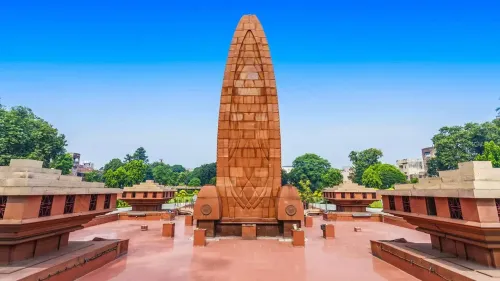
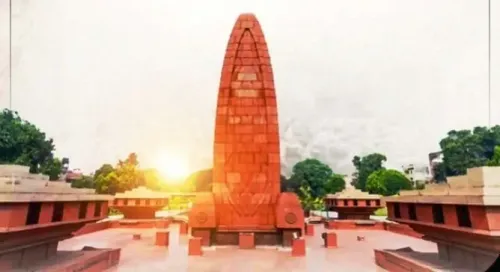
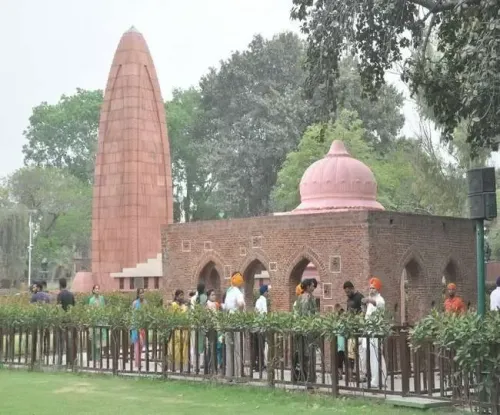
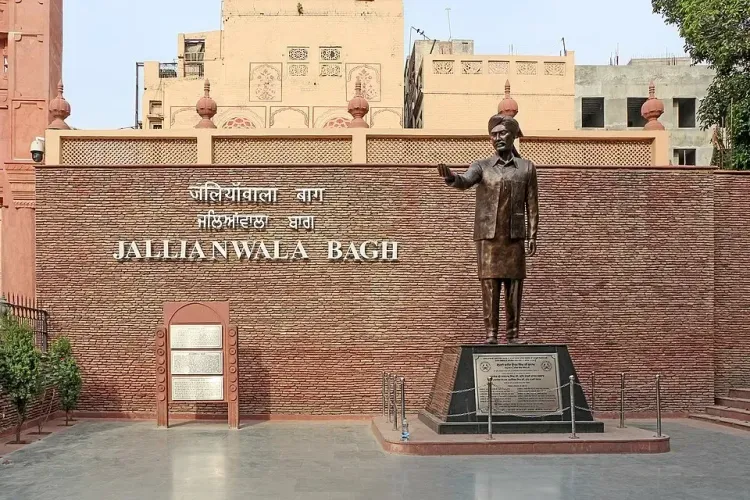
This massacre unfolded at Jallianwala Bagh, a garden encircled on three sides by buildings. The only exit was congested with people, obstructing any possibility of escape. This appalling incident, often referred to as the Amritsar Massacre, represented a shocking act of brutality, signifying a pivotal moment in India's fight for independence.
Point of View
It is imperative to acknowledge the historical weight of the Jallianwala Bagh Massacre. This event stands as a testament to the struggles faced by countless individuals in their quest for freedom. The tribute paid by Gambhir reflects a national sentiment that honors the sacrifices made for India's independence.
NationPress
22 Sept 2026
Frequently Asked Questions
What happened on April 13, 1919?
On April 13, 1919, British troops, under Colonel Reginald Dyer's orders, opened fire on a large gathering of unarmed civilians at Jallianwala Bagh, resulting in significant casualties.
Why is Jallianwala Bagh significant?
Jallianwala Bagh is significant as it symbolizes the brutality of British colonial rule and marked a turning point in India's struggle for independence.
Who was Gautam Gambhir?
Gautam Gambhir is the head coach of Team India and a former cricketer known for his contributions to Indian cricket and his public statements on national issues.
What is the legacy of the Jallianwala Bagh Massacre?
The legacy of the Jallianwala Bagh Massacre serves as a reminder of the sacrifices made for India's freedom and continues to inspire discussions about human rights and justice.
How many casualties were reported in the massacre?
Official reports stated there were 379 deaths and around 1,200 injuries, but many believe the actual death toll exceeded 1,000.