Shekhawat hails Jallianwala Bagh renovation as tribute to martyrs
Synopsis
Culture Minister Gajendra Singh Shekhawat on 29 September 2026 hailed Jallianwala Bagh as a symbol of India's self-respect, citing PM Modi's commitment to renewing freedom-struggle memorials so future generations can draw inspiration from the martyrs' sacrifice.
Key Takeaways
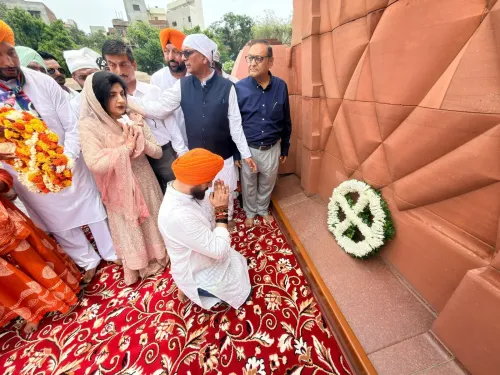
Union Culture and Tourism Minister Gajendra Singh Shekhawat posted on 29 September 2026 calling Jallianwala Bagh 'the immortal saga of our brave martyrs and a symbol of India's self-respect.' He credited Prime Minister Narendra Modi with sustained efforts to honour and preserve freedom-struggle heritage sites.
The Jallianwala Bagh National Memorial (Amendment) Act, 2019 restructured the memorial trust, enabling a redevelopment drive carried out between 2017 and 2021 .
The renovation is part of a broader policy covering sites like Cellular Jail , funded through schemes such as PRASAD and Swadesh Darshan .
The post was tagged #NamoSevaAnkahiKahaniyan and #SevaSankalpAbhiyan , linking heritage work to the ruling party's ongoing political outreach campaign.
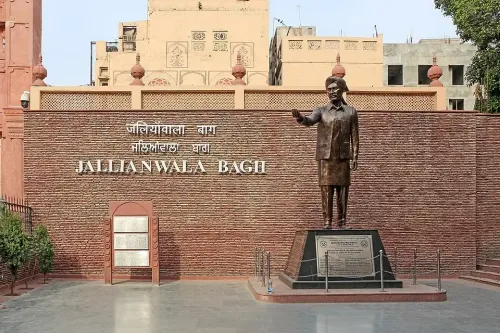
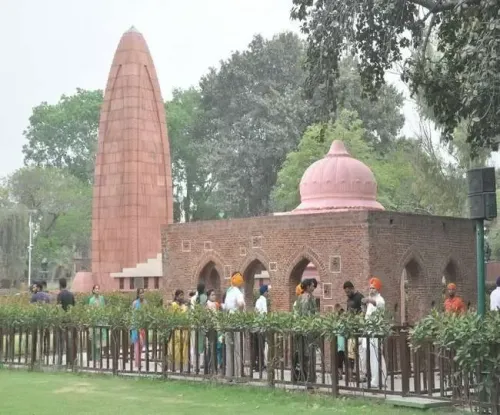
A garden where hundreds were gunned down on a spring afternoon in 1919 continues to shape how India remembers its martyrs — and Union Culture and Tourism Minister Gajendra Singh Shekhawat invoked that memory on Tuesday, 29 September 2026, calling Jallianwala Bagh not merely a monument but 'the immortal saga of our brave martyrs and a symbol of India's self-respect.'
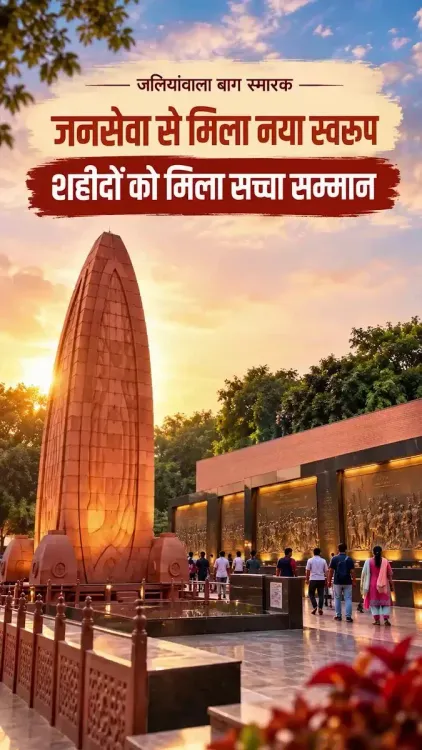
Posting in Hindi on X, Shekhawat wrote: 'जलियांवाला बाग सिर्फ एक स्मारक नहीं, बल्कि हमारे वीर शहीदों की अमर गाथा और भारत के स्वाभिमान का प्रतीक है' — 'Jallianwala Bagh is not just a memorial, but the immortal saga of our brave martyrs and a symbol of India's self-respect.' He credited Prime Minister Narendra Modi with making the renewal of this site a matter of national resolve, so that coming generations could draw inspiration from the courage and sacrifice of the freedom fighters.The 1919 massacre and the weight of the site
On 13 April 1919, British Indian Army troops under Brigadier-General Reginald Dyer opened fire on a peaceful gathering of thousands inside the walled garden in Amritsar, Punjab. The massacre, which killed hundreds of unarmed civilians, became a defining moment in the Indian independence movement. The site has been maintained as a national memorial ever since, drawing pilgrims, students, and tourists from across the country.
From trust restructuring to physical renewal
The renovation Shekhawat references has a documented legislative foundation. The Jallianwala Bagh National Memorial (Amendment) Act, 2019 restructured the memorial's governing trust to bring it under greater central government oversight — a move that cleared the path for a comprehensive redevelopment drive. Physical renovation work was sanctioned and carried out between 2017 and 2021, upgrading visitor infrastructure, illumination, and the interpretive experience without disturbing the memorial's historical character.
The project fits inside a wider policy frame: the central government has simultaneously invested in restoring Cellular Jail in the Andamans and upgrading a string of sites associated with the 1857–1947 freedom struggle, channelling funds through schemes including PRASAD and Swadesh Darshan. Jallianwala Bagh sits at the intersection of heritage conservation and pilgrimage tourism — a pairing that has defined the cultural ministry's approach under the current dispensation.
Hashtags signal a larger political campaign
Shekhawat tagged the post #NamoSevaAnkahiKahaniyan and #SevaSankalpAbhiyan, positioning the renovation explicitly within a BJP-led narrative of 'service and resolve' centred on Prime Minister Modi. The framing — 'Respect to martyrs is respect to the nation' — is deliberate, linking physical heritage work to a broader assertion of national pride ahead of the government's ongoing political outreach calendar.
When a century-old bullet-marked wall still tells a story that school textbooks can only approximate, governments know that custodianship of such sites carries real political and moral weight. The Ministry of Culture is betting that the next generation of Indians who walk through those gates will feel the difference.
Point of View
A legislative amendment) into moral statements about national identity. By anchoring the tribute to PM Modi personally, the Culture Ministry reinforces a consistent messaging arc that positions the current government as the legitimate custodian of India's independence legacy. The use of coordinated hashtags signals this is not a spontaneous tribute but part of a structured outreach campaign. For the opposition, the challenge is that it is politically difficult to contest the substance — reverence for 1919 martyrs — even when contesting the framing.
NationPress
29 Sept 2026
Frequently Asked Questions
Why is Jallianwala Bagh significant in Indian history?
Jallianwala Bagh in Amritsar is the site of the 13 April 1919 massacre, where British Indian Army troops fired on a peaceful civilian gathering, killing hundreds. It became a pivotal moment galvanising India's independence movement and is maintained as a national memorial.
What changes were made to Jallianwala Bagh under the renovation?
The central government sanctioned and executed a redevelopment of the Jallianwala Bagh memorial complex between 2017 and 2021, upgrading visitor infrastructure, lighting, and the interpretive experience while preserving the site's historical character.
What is the Jallianwala Bagh National Memorial Amendment Act 2019?
The Jallianwala Bagh National Memorial (Amendment) Act, 2019 restructured the memorial's governing trust to include more central government nominees, giving the Union government greater oversight over the site's management and redevelopment.
What are the PRASAD and Swadesh Darshan schemes mentioned in relation to heritage sites?
PRASAD (Pilgrimage Rejuvenation and Spiritual, Heritage Augmentation Drive) and Swadesh Darshan are central government schemes that fund the development and upgrade of heritage, pilgrimage, and tourism sites across India, including freedom-struggle memorials.
What did Culture Minister Shekhawat say about Jallianwala Bagh?
On 29 September 2026, Shekhawat posted on X calling Jallianwala Bagh 'not just a memorial but the immortal saga of our brave martyrs and a symbol of India's self-respect,' and credited PM Modi with sustained efforts to honour such sites for future generations.