Gavaskar: India must shed 'transition' label after record 300-run win vs Afghanistan
Synopsis
India's largest-ever innings victory — a 300-run demolition of Afghanistan — has prompted Sunil Gavaskar to demand a harder standard of accountability from the Test side. Debutant Manav Suthar's seven-wicket haul stole the headlines, but Gavaskar's real message was directed at the batters: the T20 mindset is creeping into red-ball cricket, and transition is no longer an excuse.
Key Takeaways
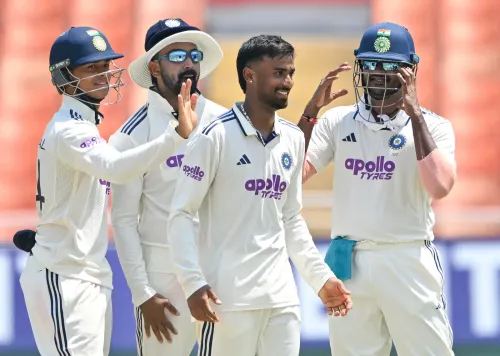
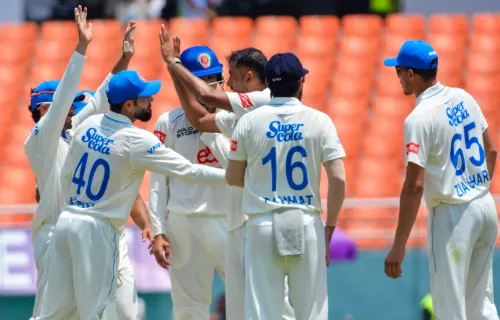
India defeated Afghanistan by an innings and 300 runs in the one-off Test at New Chandigarh — the largest innings victory in India's Test history.
Sunil Gavaskar called for an end to the 'transition' narrative, urging focus on batting discipline and technique.
Debutant left-arm spinner Manav Suthar took 7 wickets across both innings on his Test debut.
Washington Sundar and Kuldeep Yadav are set to lead India's spin attack following the retirements of Ravichandran Ashwin and Ravindra Jadeja .
Former England spinner Graeme Swann attributed Afghanistan's struggles to limited Test exposure, not lack of talent.
The three-match ODI series between India and Afghanistan begins on 13 June .
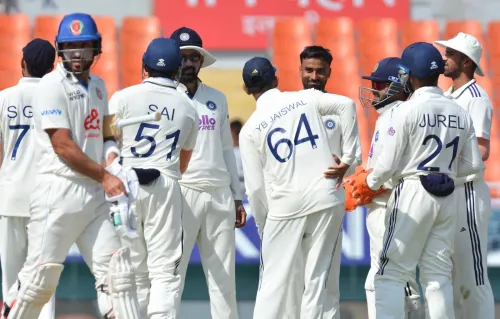
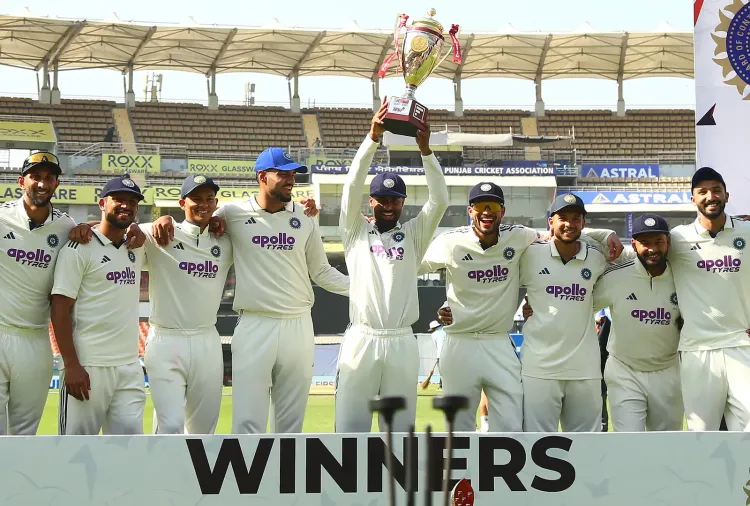
Sunil Gavaskar has called on Indian cricket to stop using the 'transition' label as a crutch and hold the Test side to the standards expected at the highest level, following India's historic 300-run innings victory over Afghanistan in the one-off Test at New Chandigarh on 8 June. The result is India's largest innings victory in Test cricket, underlining the depth of a squad captained by Shubman Gill.
Gavaskar's Accountability Call
'I think we should stop describing this team as being in transition and instead pay attention to the standards expected in Test cricket. Every team faces retirements and changes in personnel, but the focus must stay on performance,' Gavaskar said in an interview to JioStar.
The batting great was pointed in his diagnosis: 'Recent Test results reveal that our bigger concern has been batting rather than bowling. The bowlers have generally done their job, but the batters need to show more discipline and stronger technique, especially in tough situations.' He also flagged a creeping T20 mindset — where patience erodes after a few dot balls — as a structural risk to India's red-ball batting culture.
Washington Sundar on the Road Ahead
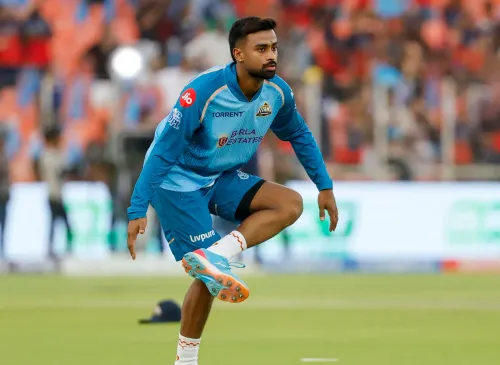
India all-rounder Washington Sundar acknowledged the challenges that lie ahead, particularly a demanding tour of Sri Lanka. 'We know the challenges ahead, especially with the demanding tour of Sri Lanka coming up, along with other important matches. As a team, we recognise what it will take to succeed in those conditions and perform consistently across formats,' Sundar said.
With the retirements of Ravichandran Ashwin and Ravindra Jadeja creating a significant void in India's spin department, Sundar is expected to shoulder greater responsibility alongside Kuldeep Yadav. 'Kuldeep and I have played a lot of cricket together, so we understand each other's strengths and roles within the team,' Sundar noted, emphasising their ability to complement each other under pressure.
Manav Suthar's Debut: Impressive but Early Days
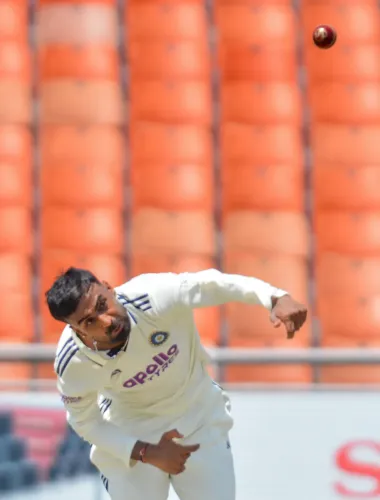
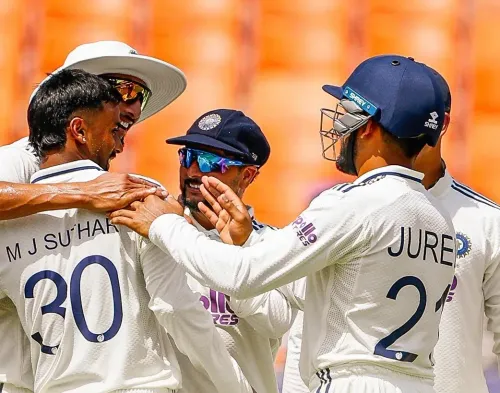
One of the standout moments of the Test was the debut of left-arm spinner Manav Suthar, who claimed seven wickets across both innings to play a central role in dismantling Afghanistan's batting. Gavaskar praised Suthar's accuracy and temperament but urged caution against premature conclusions.
'Manav Suthar has had an incredible start to his Test career, and his seven-wicket haul is certainly impressive. However, we should avoid jumping to conclusions after just one performance. History shows that many bowlers have started strong, but maintaining success at the Test level requires ongoing improvement and adaptation,' Gavaskar said. He added that the spin-friendly conditions at New Chandigarh suited Suthar, and the real test will come on surfaces that offer less assistance.
Graeme Swann Urges Patience With Afghanistan
Former England spinner Graeme Swann offered a measured assessment of Afghanistan's performance, attributing their struggles to limited Test exposure rather than a deficit in talent. 'Afghanistan's performance highlighted challenges stemming from limited exposure to Test cricket, not a lack of talent. Touring India is one of the toughest challenges in Test cricket, and this match should serve as a valuable step in their growth as a Test-playing nation,' Swann said.
Swann pointed to tactical imbalances — too defensive in the first innings against India's spin attack, and overly aggressive in the second — as lessons that only regular Test cricket can teach. He identified footwork, strike rotation, and sweep shots as areas Afghanistan must refine without taking unnecessary risks.
What's Next for India
With the one-off Test concluded, focus now shifts to the three-match ODI series between India and Afghanistan, beginning 13 June. The Sri Lanka Test tour looms as the more consequential examination of whether India's batting core has genuinely moved beyond the transition phase Gavaskar wants retired as a concept.
Point of View
And it has quietly lowered the accountability bar. The batting numbers tell the real story: in away conditions, India's middle order has repeatedly crumbled, while the bowling has held its own. The emergence of Suthar is exciting, but one spin-friendly home Test is a thin data set. The Sri Lanka tour, on turning tracks where India historically underperform with the bat, will be the first genuine test of whether this squad has actually transitioned — or merely beaten a team that has played fewer than 15 Tests in its history.
NationPress
24 Oct 2026
Frequently Asked Questions
What was the result of the India vs Afghanistan one-off Test?
India won by an innings and 300 runs, their largest innings victory in Test history. The match was played at New Chandigarh, with debutant Manav Suthar taking seven wickets to anchor India's bowling effort.
Why did Sunil Gavaskar say India should stop using the 'transition' label?
Gavaskar argued that every team goes through personnel changes due to retirements, and using transition as a frame lowers the standard of accountability. He said the focus must return to batting discipline, technique, and consistent performance regardless of squad changes.
How did Manav Suthar perform on his Test debut?
Left-arm spinner Manav Suthar took seven wickets across both innings on debut, impressing with his accuracy and temperament. Gavaskar praised the performance but cautioned that the conditions favoured spin, and Suthar will need more variations on less helpful surfaces.
Who will lead India's spin attack after Ashwin and Jadeja's retirements?
Washington Sundar and Kuldeep Yadav are expected to share the primary spin-bowling responsibility. Sundar noted that the two have a strong understanding of each other's roles and aim to complement each other in high-pressure situations.
What is next for India after the Afghanistan Test?
India will play a three-match ODI series against Afghanistan starting 13 June, followed by a tour of Sri Lanka which Sundar identified as a key upcoming challenge for the side.