Kirsty Gilmour urges LGBTQ+ inclusion in Asian sport at BWF Worlds
Synopsis
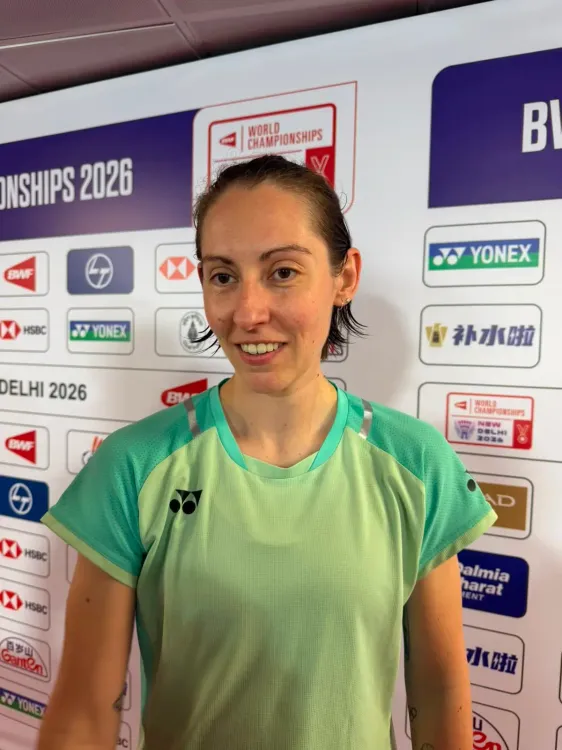
At the BWF World Championships in New Delhi, Scottish badminton champion Kirsty Gilmour made a quiet but pointed appeal: Asia needs to do more on LGBTQ+ inclusion. Her message wasn’t confrontational — it was grounded in the comfort she found in a hotel lobby flag and a staff member’s pin, and the hope that one day the ‘Zero Flags’ exhibition has nothing left to display.
Key Takeaways
Kirsty Gilmour called for greater LGBTQ+ inclusion in Asian sport at the BWF World Championships in New Delhi on 15 August .
She noted that her hotel’s display of an LGBT flag and staff wearing LGBT pins provided personal reassurance to her and teammate Ciara Torrance .
Gilmour referenced the ‘Zero Flags’ exhibition from Commonwealth Games Pride House , which highlighted countries where being LGBT remains illegal.
The 32-year-old won her first European women’s singles title in 2025 after five runner-up finishes.
She said progress on inclusion does not require grand gestures — small symbols of acceptance can be meaningful for athletes competing abroad.
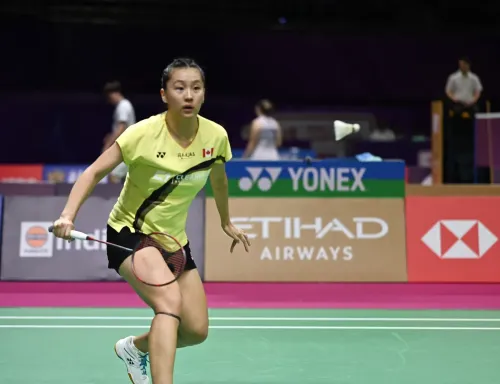
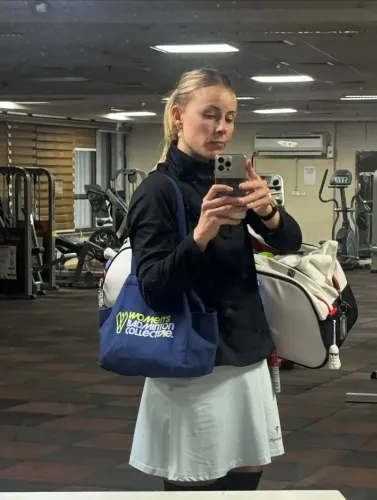
Scottish badminton star Kirsty Gilmour has called for greater LGBTQ+ inclusion in Asian sport, saying small but visible gestures of acceptance can offer meaningful reassurance to athletes from the community. Her remarks came on 15 August on the sidelines of the BWF World Championships at the Indira Gandhi Stadium in New Delhi.
What Gilmour Said
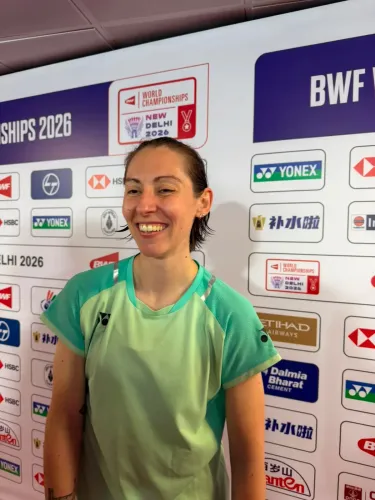
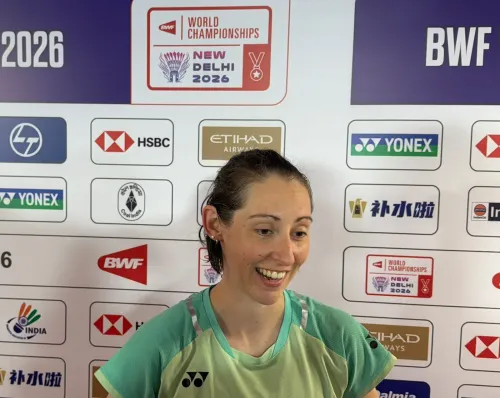
Speaking to reporters, Gilmour said she would welcome more progress on LGBTQ+ visibility across Asia, while noting the support she had personally encountered during her stay in New Delhi. “I would love to see that, actually,” she said when asked whether LGBTQ+ inclusion deserved greater discussion in the region.
She highlighted that the hotel hosting the Scottish team displays a large LGBT flag in its lobby and that staff members wear LGBT flag pins — gestures she described as quietly significant. “To most people who stay in the hotel, that might just not really register or be that important. But for me, and I know Ciara Torrance on our team is also part of the LGBT community, it’s just a little comfort to us to know that we’re not going to be treated any differently,” Gilmour said.
Pride House and the Zero Flags Exhibition
The 32-year-old has long been an advocate for LGBTQ+ inclusion in sport, having previously participated in Pride House initiatives at major international events. She referenced her involvement with Pride House during the Commonwealth Games, including an exhibition titled ‘Zero Flags’ that catalogued countries where being LGBT remains illegal.
“They had an exhibition called Zero Flags. And it had all the flags up in the countries in which being LGBT is illegal. And they’re hoping to get to zero flags. So that would be really good to look into,” she said.
Notably, the BWF World Championships draws players from across the globe, making it, in Gilmour’s view, a significant platform for conversations around inclusion that transcend national and cultural boundaries.
Cultural Encounters in New Delhi
Gilmour also spoke light-heartedly about navigating cultural differences during her stay in India. “Although the culture here is to say, sir or ma’am. And sometimes if I have a hat on, I’ll get sir-ma’am. Just to cover all bases. So that’s kind of fun,” she said.
Gilmour’s Career and Advocacy
Earlier this year, Gilmour claimed her maiden European women’s singles title after five previous runner-up finishes, cementing her status as one of Scotland’s most prominent players on the international circuit. Her advocacy for LGBTQ+ inclusion has run alongside her competitive career, and she believes sporting events can help athletes feel accepted regardless of identity.
“But I would really love to see some progress in Asia in general,” she said, adding that progress need not come through grand statements. For Gilmour, a simple symbol of acceptance can make a meaningful difference to an athlete competing far from home.
Point of View
Like most international federations, has struggled to enforce inclusion standards uniformly across member nations — many of which criminalise homosexuality. The ‘Zero Flags’ reference is pointed: the Commonwealth, too, has a fraught record on this front, with a majority of its members retaining colonial-era laws against same-sex relations. That a decorated athlete from Scotland finds comfort in a hotel lobby flag rather than any institutional guarantee speaks to how far formal sport governance still has to travel. Gilmour’s understated tone is strategic — she knows blunter advocacy in this context risks being dismissed or ignored. But the ask is clear, and it deserves a clearer institutional response than it has so far received.
NationPress
30 Sept 2026
Frequently Asked Questions
What did Kirsty Gilmour say about LGBTQ+ inclusion in Asian sport?
Kirsty Gilmour called for greater LGBTQ+ inclusion and visibility in Asian sport at the BWF World Championships in New Delhi on 15 August. She said small gestures of acceptance — such as hotel staff wearing LGBT flag pins — provide meaningful comfort to athletes from the community competing abroad.
Where did Kirsty Gilmour make these remarks?
Gilmour spoke to reporters on the sidelines of the BWF World Championships held at the Indira Gandhi Stadium in New Delhi. The event brought together players from across the world, which she described as an important platform for inclusion conversations.
What is the ‘Zero Flags’ exhibition Gilmour referenced?
The ‘Zero Flags’ exhibition was part of Pride House at the Commonwealth Games. It displayed the flags of countries where being LGBT remains illegal, with the goal of eventually reaching zero such countries.
Who is Kirsty Gilmour?
Kirsty Gilmour is a 32-year-old Scottish badminton player and one of Scotland’s most prominent international competitors. She won her first European women’s singles title in 2025 after five previous runner-up finishes, and has long been an advocate for LGBTQ+ inclusion in sport.
Why does LGBTQ+ inclusion in Asian sport matter for international athletes?
Many Asian countries retain laws that criminalise same-sex relations, which can create an unwelcoming environment for LGBTQ+ athletes competing in the region. Gilmour noted that even small symbols of acceptance can provide reassurance to athletes who may otherwise feel uncertain about how they will be treated.