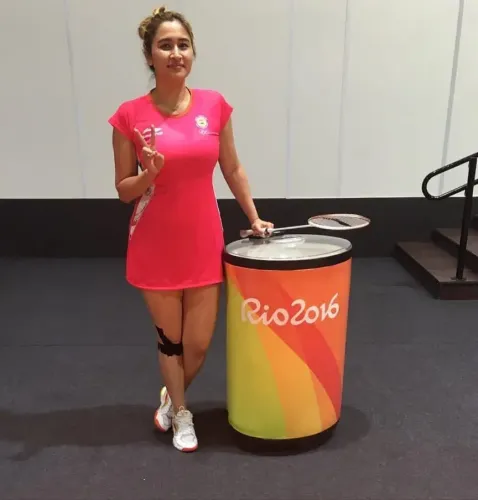
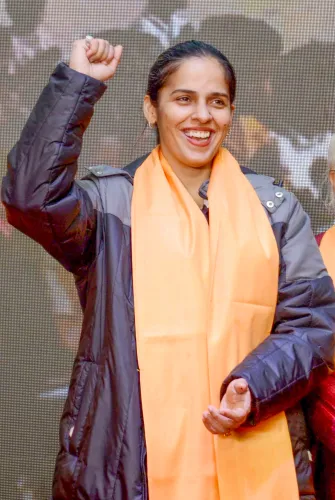
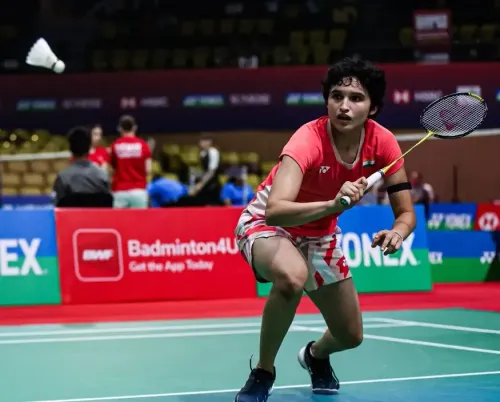
Jwala Gutta slams Indian badminton: 'Everyone is adjusting, compromising'
Synopsis
Jwala Gutta's broadside against Indian badminton goes beyond a personal grievance — she is naming a structural problem: a system where silence is rewarded, influence trumps merit, and even a world No. 5 national champion had to self-fund international tournaments. With Satwik's recent remarks adding fresh fuel, the accountability question in Indian sport is getting harder to ignore.
Key Takeaways
Jwala Gutta criticised a 'culture of silence and compromise' in Indian badminton in an interview on 21 May .
She highlighted India's lack of bench strength, contrasting it with China 's deep talent pipeline.
Gutta said she struggles to secure CSR funding for her non-profit badminton academy in Hyderabad due to limited institutional connections.
Despite being national champion in 2007, 2008, and 2009 and ranked world No.
5 , she reportedly funded her own international tournaments while lower-ranked players received federation support.
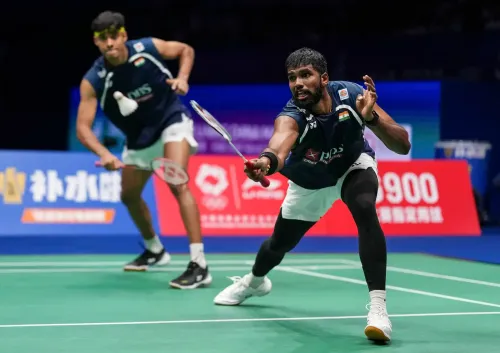
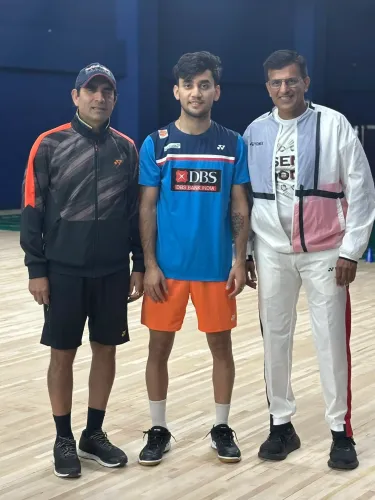
She linked her remarks to Satwiksairaj Rankireddy 's frustration on 6 May over lack of recognition following India's Thomas Cup bronze in Denmark .
Gutta argued that established athletes have a responsibility to speak up for the sport's next generation.
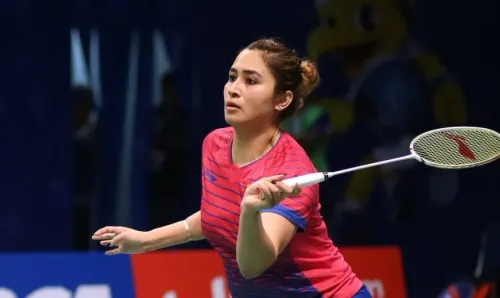
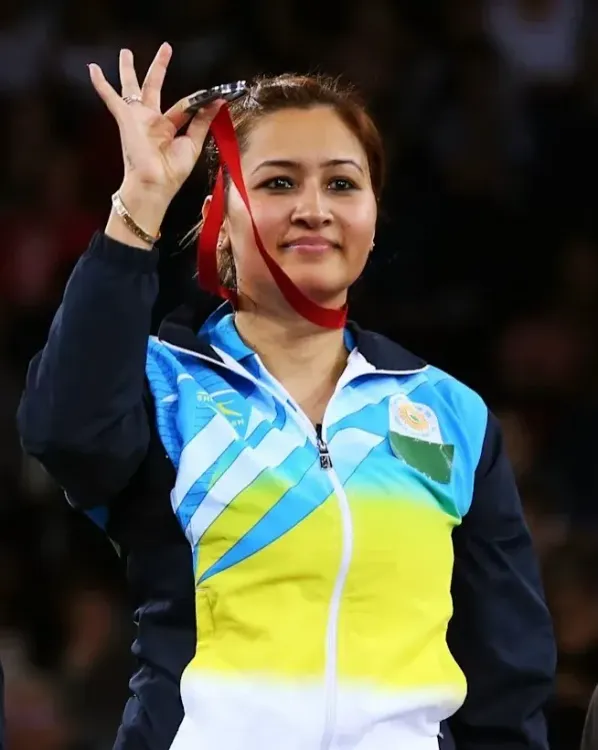
Badminton icon Jwala Gutta has launched a pointed critique of Indian badminton's administrative culture, calling out a systemic silence among players and former athletes who, she argues, have chosen comfort over accountability. Speaking in a candid interview on 21 May, the 2011 World Championships bronze medallist described a sport where structural problems go unaddressed because too many stakeholders are unwilling to speak up.
The Culture of Silence
'No one is talking. Everyone is adjusting, compromising. Even the association. The worst part is the players, ex-players who are getting into the association. Even they are not feeling bad that there is no bench strength,' Gutta said.
She drew a sharp contrast with China's badminton pipeline: 'Look at China; if one world champion gets injured, there is another world champion waiting in line. He will play in one or two tournaments and become a world champion. That is what you call bench strength, and we don't have bench strength.' For Gutta, the absence of a deep talent pool is not an accident — it is the clearest symptom of a system that rewards influence over merit.
Grassroots Neglect and the CSR Struggle
The former Commonwealth Games gold medallist pointed to her own experience as evidence of how grassroots development suffers. She runs a non-profit badminton academy in Hyderabad and says fundraising has been a persistent challenge despite her credentials.
'Even I have opened an academy, and I know how much I am struggling to get some donations. It is a completely non-profit organisation, but I am struggling to get CSR because I am not influential enough and I don't have good relations like others,' she said. The remark underlines a broader concern: that corporate social responsibility funding in Indian sport flows along patronage networks rather than developmental need.
Her Own Battles With the System
Gutta revisited the institutional conflicts that defined her playing career. Despite being national champion in 2007, 2008, and 2009 and ranked as high as world No. 5, she said she was regularly denied federation support for international tournaments while lower-ranked players travelled with the Indian team.
'Even though I was the national champion in 2007, 2008, and 2009, I played international tournaments at my own cost. My juniors were sent with the Indian team, and they were losing in qualifying rounds, while I won tournaments,' she said. She also recalled approaching the High Court to assert her right to compete after officials reportedly threatened to bar her from playing — a battle she framed as a matter of principle, not personal gain.
'I never asked anything personally for myself. I went to the high court for the right to play because someone was saying he would stop me from playing,' she said. What stung most, she added, was the silence of fellow athletes during that period: 'When sports persons are in trouble, they seek someone to speak for them. But when I was in trouble, not one sports person opened his or her mouth.'
Satwik's Remarks and the Wider Frustration
Gutta's comments arrive in the context of a broader conversation about recognition in Indian sport. On 6 May, doubles star Satwiksairaj Rankireddy voiced frustration over the lack of acknowledgement for Indian athletes following India's historic bronze medal at the Thomas Cup in Denmark. Satwik clarified that his concern was not about money or celebrations, but about building a sporting culture that genuinely values achievement across disciplines.
Gutta connected Satwik's remarks to her larger argument: 'Now you see, what did Satwik say? He said no one is looking at us. Why will they look at us? You don't say anything.' She argued that established stars — shielded by fame and financial security — have both the ability and the responsibility to advocate for the sport's future. 'You have achieved a certain level, you should speak for the badminton of the country. As long as you are performing and have enough exposure, no one can touch you,' she said.
Privilege, Responsibility, and What Comes Next
Gutta acknowledged that her willingness to speak out has come at a cost. 'Because I speak my mind, now I am not liked by the system. I am not liked by people who are ruling right now, whether it is badminton or otherwise,' she said. She credited her family's unwavering support as the foundation for her courage throughout these confrontations.
She closed with a question that extended well beyond sport: 'If privileged people are not speaking for people who are not privileged, then what is going to happen to our country?' The remark signals that for Gutta, the failures of Indian badminton's administration are not isolated — they reflect a wider accountability deficit that only those with a platform can begin to address.
Point of View
CSR flowing along patronage lines, ex-players inside the association who have gone quiet. These are institutional design failures, not personality clashes. The timing matters too: Satwik's remarks after the Thomas Cup bronze suggest that even currently active, decorated players are feeling the same neglect Gutta has described for years. Indian badminton has produced individual world-beaters, but the system around them — talent pipelines, grassroots funding, athlete welfare — remains brittle. The silence Gutta is calling out is also a signal: when athletes only speak after they retire or after they are personally wronged, structural reform rarely follows.
NationPress
7 Oct 2026
Frequently Asked Questions
What did Jwala Gutta say about Indian badminton?
Jwala Gutta criticised what she called a growing culture of silence and compromise within Indian badminton, arguing that players, former players in administrative roles, and the association itself are failing to address structural problems such as the absence of bench strength and merit-blind funding.
Why does Jwala Gutta say India lacks bench strength in badminton?
Gutta argues that grassroots development suffers because support and opportunities are distributed on the basis of influence rather than merit. She contrasted India's situation with China, where multiple world-class players are ready to step in if a top athlete is injured.
What is Jwala Gutta's academy and why is she struggling to fund it?
Gutta runs a non-profit badminton academy in Hyderabad. She says securing corporate social responsibility donations has been difficult because she lacks the institutional connections that typically determine how such funding is allocated in Indian sport.
How does Satwiksairaj Rankireddy's frustration connect to Gutta's criticism?
On 6 May, Satwiksairaj Rankireddy expressed frustration over the lack of recognition for Indian athletes after India won a historic Thomas Cup bronze in Denmark. Gutta cited his remarks as evidence that even active, high-profile players are experiencing the systemic neglect she has spoken about for years.
Why did Jwala Gutta go to the High Court during her playing career?
Gutta approached the High Court to defend her right to compete after officials reportedly threatened to bar her from playing. She has clarified that the legal action was not about personal gain but about asserting a fundamental right to participate in the sport.