Manika Batra threatens legal action over Asian Games snub, demands TTFI transparency
Synopsis
India's most decorated active paddler, Manika Batra, has put the TTFI on notice — not for a team spot, but for answers. Her demand for documented, transparent selection criteria, combined with a formal appeal to the PM and Sports Minister and a credible legal threat, turns a routine squad announcement into a landmark accountability moment for Indian sports governance.
Key Takeaways
Manika Batra has threatened legal recourse if the TTFI fails to provide clear reasons for dropping her from the main Asian Games squad for Aichi-Nagoya .
Batra, ranked World No.
51 , was named only as a reserve — a decision she called 'arbitrary and lacking transparency.' She has formally written to Prime Minister Narendra Modi and Sports Minister Mansukh Mandaviya seeking intervention.
Batra questioned whether the voting-based selection process was free from bias and demanded disclosure of voters' qualifications and documented reasons.
Ayhika Mukherjee , who won a historic women's doubles bronze at the Hangzhou Asian Games , was also left out of the squad.
Batra clarified she is not seeking forced inclusion but is demanding transparency, consistency, and accountability in the selection process.
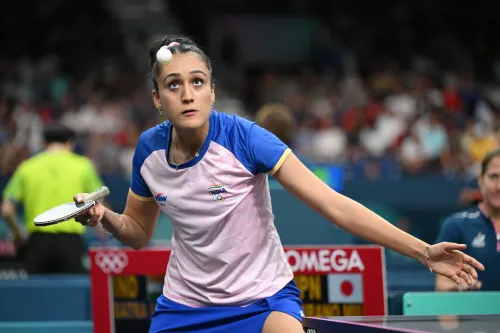
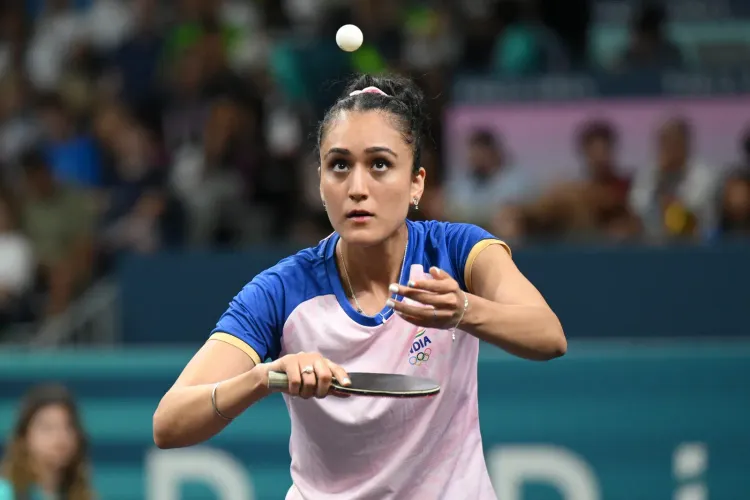
Star Indian paddler Manika Batra on 24 June issued a stern warning of legal recourse against the Table Tennis Federation of India (TTFI) over her exclusion from the main squad for the Asian Games in Aichi-Nagoya, stating she is not seeking a forced berth but demanding clear, documented reasons for an omission she described as 'arbitrary and lacking transparency.' The Khel Ratna awardee has formally written to Prime Minister Narendra Modi and Sports Minister Mansukh Mandaviya, urging government intervention.
The Omission That Sparked the Controversy
The TTFI recently named its squad for the Aichi-Nagoya Asian Games, listing the 31-year-old veteran — India's most prominent international table tennis performer over the past decade — only among the reserves. No formal reason for the demotion was communicated to the athlete, according to Batra. The snub drew widespread surprise given her consistent presence near the global top-50 rankings.
'No specific reason for my non-selection has been communicated to me,' Batra said in a statement. 'I am not asking to be selected. I am not asking anyone to overturn the decision. I am asking for answers.'
Ranking Criteria Under the Scanner
Batra, currently ranked World No. 51, questioned the ranking timeline used by selectors, noting that table tennis rankings operate on a rolling weekly points system. 'If an athlete who has consistently been around the Top 50 moves from 50 to 51 over a week or two, does that suddenly make her ineligible? These are questions that deserve clear answers,' she said.
She also cited her current season form — including victories against top Asian players and highly-rated Chinese opponents — and pointed out that the Ministry of Youth Affairs and Sports itself directs that current form must be factored into Asian Games selections.
Voting Process and Conflict of Interest Concerns
Batra revealed she had been informed that the final selection involved a voting process among committee members, and raised pointed questions about the integrity of that mechanism. 'Can any system that relies on voting be completely free from bias, personal opinions, or past differences? If so, what safeguards exist to ensure fairness and accountability?' she asked.
She further demanded disclosure of each voter's qualifications, documented reasons behind individual votes, and whether conflicts of interest were declared. She argued that such details should have been published on the TTFI website in the interest of transparency.
Ayhika Mukherjee Also Left Out
Batra widened her criticism beyond her own case, flagging the exclusion of Ayhika Mukherjee, who was part of India's historic women's doubles bronze-medal win at the Hangzhou Asian Games. 'When athletes with such achievements are left out, it naturally raises questions about the criteria and evaluation process,' she said, arguing that medal-winning performers deserve at minimum a clear explanation.
Legal Recourse and Government Appeal
'If I do not receive satisfactory answers regarding the basis of this decision, I will be left with no option but to explore all remedies available to me, including legal recourse through my legal team,' Batra stated. She was emphatic that the threat stems from a principle — athlete rights to transparency and accountability — rather than personal ambition. 'I have represented India with pride for almost twenty years, and all I am asking for today is a fair and honest explanation,' she added.
With the government now formally in the loop and legal action on the table, the TTFI faces mounting pressure to either justify its selection methodology or revisit a process that India's most decorated active paddler has publicly called into question.
Point of View
Conflict-of-interest safeguards, or published outcomes is not a selection process; it is a black box. If Batra does pursue legal action, the courts may end up doing what sports bodies have consistently refused to: define what 'merit-based selection' actually means in Indian table tennis.
NationPress
22 Sept 2026
Frequently Asked Questions
Why was Manika Batra excluded from the Asian Games squad?
The TTFI has not publicly disclosed a specific reason for Batra's exclusion from the main Asian Games squad for Aichi-Nagoya; she was named only as a reserve. Batra herself stated that no formal reason was communicated to her, which is the basis of her demand for transparency.
Is Manika Batra asking to be included in the Asian Games team?
No. Batra has explicitly clarified she is not seeking forced inclusion or special consideration. She is demanding documented reasons for her omission and accountability in the selection process, and has threatened legal action only if those explanations are not provided.
What is Manika Batra's current world ranking?
Batra is currently ranked World No. 51 in table tennis. She has questioned whether a marginal shift from the top-50 bracket — given the weekly rolling nature of the rankings — should constitute an eligibility disqualifier for a player with her track record.
Who else was left out of the Asian Games squad that Batra highlighted?
Batra specifically cited Ayhika Mukherjee , who was part of the Indian team that won a historic women's doubles bronze at the Hangzhou Asian Games , as another player with a proven record who was excluded without apparent explanation.
What action has Manika Batra taken so far?
Batra has formally written to Prime Minister Narendra Modi and Sports Minister Mansukh Mandaviya requesting government intervention. She has also warned that if satisfactory answers are not received, she will pursue all available legal remedies through her legal team.