India bowled out for 233 in 2nd ODI: Bopara flags short-ball worry
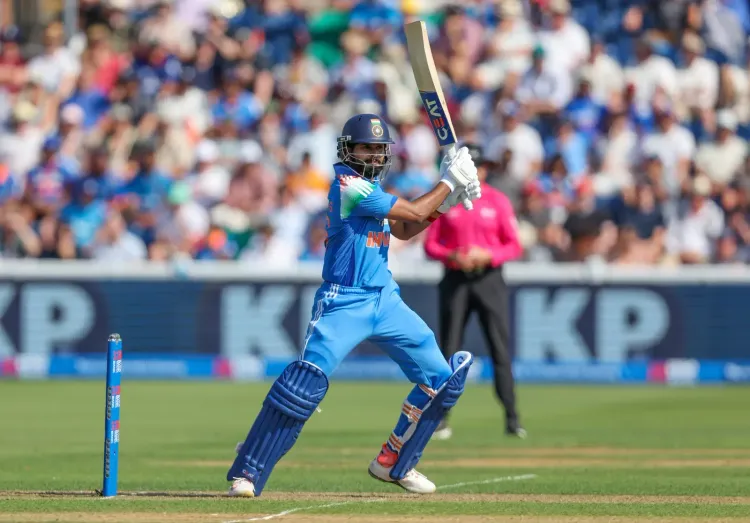
Synopsis
India's 233 all out at Cardiff wasn't just a below-par score — it exposed a pattern. Multiple experts flagged the short ball as India's recurring weakness on English wickets, Kohli's 65 ended in an uncharacteristic dismissal, and six overs went unused. England, well-served by Gus Atkinson's tactical inclusion, now chase 234 as favourites.
Key Takeaways
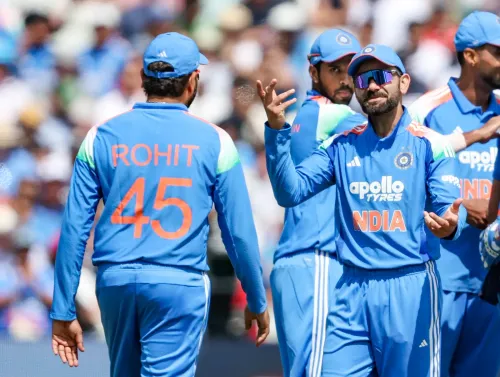
India were bowled out for 233 in the 2nd ODI at Sophia Gardens, Cardiff on 16 July .
England's pacers claimed nine wickets , exploiting India's vulnerability to the short ball.
Virat Kohli was dismissed for 65 , failing to convert a promising start — flagged as an anomaly by Eoin Morgan .
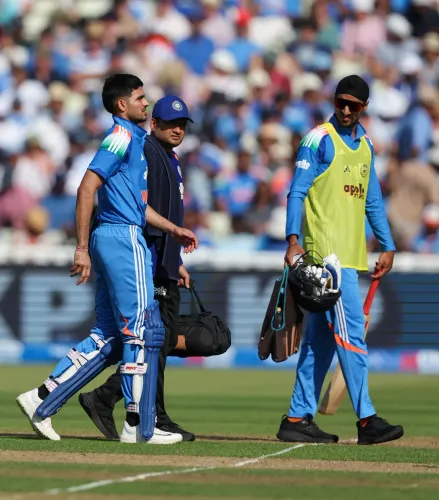
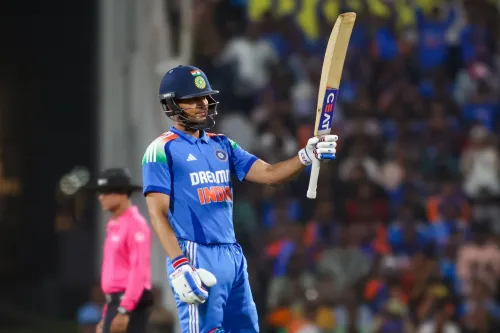
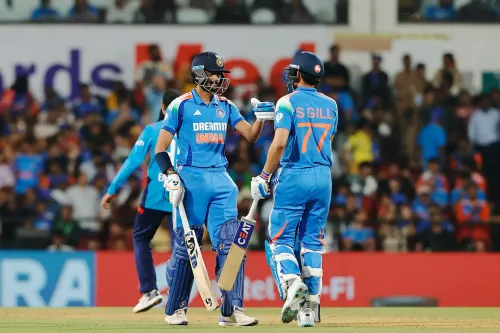
Gus Atkinson removed Shubman Gill and Shreyas Iyer , changing England's bowling balance according to Michael Atherton .
Deep Dasgupta estimated India's middle-order collapse left them 30-40 runs short , with six overs unused .
England chase 234 to take a series lead.
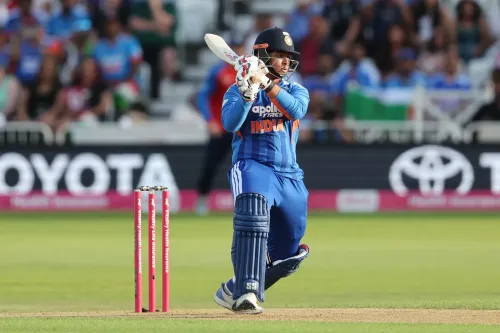
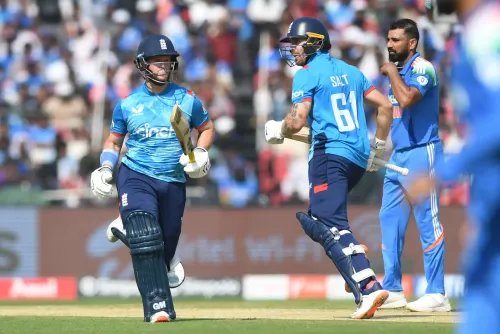
Former England all-rounder Ravi Bopara has said Indian batters appeared 'a little bit worried' about facing the short ball on English wickets, after India were bowled out for 233 in the second ODI at Sophia Gardens, Cardiff on Thursday, 16 July. England's pace attack claimed nine wickets collectively, with the short ball proving a recurring undoing for the visiting side throughout their innings.
Bopara's Assessment of India's Short-Ball Struggle
Speaking to broadcasters during the mid-innings break, Bopara identified what he described as a psychological pattern spreading through India's dressing room. 'It's almost like every time an Indian batsman falls to the short ball, a signal is sent to the dressing room, and they get worried about the short ball,' he said.
'You get a lot of indifference in pace and bounce on English wickets. It just looks like India are a little bit worried about the short ball at the moment,' Bopara added. The assessment points to a tactical vulnerability England's pacers appeared to exploit with deliberate consistency.
Morgan Credits England's Middle-Over Discipline
Former England captain Eoin Morgan credited England's tactical accuracy in the middle overs for choking India's scoring rate and drawing errors through cross-batted shots. 'Throughout the middle phase of the game, England took wickets, and India's runs flowed. But England were more accurate with how they bowled in the second powerplay. They enticed India into cross-batted shots, which stunted them and allowed England to take and create more opportunities,' Morgan noted.
The middle-overs squeeze was a deliberate strategy, and India's inability to counter it proved costly, particularly given the conditions at Sophia Gardens offered some assistance to the seamers.
Kohli's Dismissal for 65 Surprises Analysts
Morgan also flagged Virat Kohli's dismissal for 65 as an anomaly, given the former India captain's reputation for converting half-centuries into match-defining hundreds. 'All of us had the house on for Kohli producing something special. We're all homeless now! He looked highly tuned, Virat Kohli in the form of his life from the get-go. He walked out with a huge amount of intent; his footwork was crisp, and he made things look easy,' Morgan said.
'It was classic Kohli, accumulating a run-a-ball, even when partnerships slowed. For him to get out at 65 is an anomaly. We've seen how good he is throughout his career, converting starts into hundreds. He normally capitalises and punishes the opposition, but not today, and that's to England's credit,' he added.
Atkinson's Role and England's Bowling Balance
Former England captain Michael Atherton highlighted how the inclusion of Gus Atkinson as an additional seamer gave captain Harry Brook greater flexibility and relieved pressure on premier pacer Jofra Archer. 'Harry Brook was able to bowl Jofra Archer out because he had more cover with the extra seamer, with Gus Atkinson the big difference. Atkinson changed the balance of the side and claimed the big wickets of Shubman Gill and Shreyas Iyer,' Atherton said.
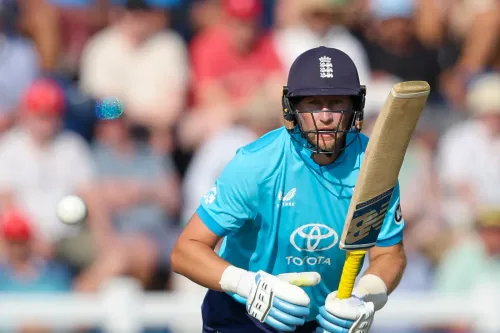
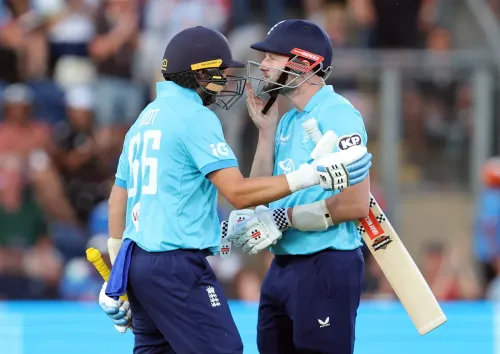
Atherton added that England would be confident chasing the target, calling the first innings 'very well' managed from the hosts' perspective.
India's Middle Order Leaves 30-40 Runs on the Table
Former India wicketkeeper-batter Deep Dasgupta was candid in his assessment, saying India's middle-order collapse had cost them approximately 30-40 runs, especially with six overs unused. 'The first innings was disappointing — some poor batting from India. Looking at the pitch, India will be looking to get some early wickets, get into that middle order, and try to make it a game. I think they are 30 or 40 runs short. The way India was batting, we were looking at 300,' Dasgupta said.
He acknowledged there was something in the surface for India's bowlers, leaving the result open. With England now chasing 234, India's bowling unit faces the task of defending a below-par total on a ground where the pitch has offered conditions for seamers on both sides.
Point of View
Suggesting a structural vulnerability rather than a one-off. The fact that six overs went unused compounds the concern: India's lower order did not just fail to accelerate, they failed to survive. Kohli's 65 will dominate the headlines, but the more telling story is England's deliberate, repeatable plan — bowl short, let the dressing-room anxiety do the rest. If India's think tank does not address this before the next ODI, England's pacers have a blueprint they will not abandon.
NationPress
15 Oct 2026
Frequently Asked Questions
How many runs did India score in the 2nd ODI at Cardiff?
India were bowled out for 233 in the 2nd ODI at Sophia Gardens, Cardiff on 16 July. Experts estimated they left 30-40 runs on the table, with six overs unused.
What did Ravi Bopara say about India's batting against the short ball?
Ravi Bopara said Indian batters looked 'a little bit worried' about the short ball on English wickets. He suggested that each dismissal to a short delivery sent a signal of anxiety through India's dressing room.
Why was Virat Kohli's dismissal for 65 considered an anomaly?
Eoin Morgan described Kohli's dismissal for 65 as an anomaly because the former India captain is renowned for converting half-centuries into match-winning hundreds. Morgan said Kohli had looked 'in the form of his life' before his unexpected departure.
What role did Gus Atkinson play in England's bowling performance?
According to Michael Atherton, Gus Atkinson's inclusion as an extra seamer gave captain Harry Brook greater flexibility and allowed Jofra Archer to be used more effectively. Atkinson took the key wickets of Shubman Gill and Shreyas Iyer.
What target are England chasing in the 2nd ODI?
England are chasing 234 to win the 2nd ODI at Sophia Gardens, Cardiff. Atherton said England should be confident chasing the total after a well-managed first innings with the ball.