India fined 35% of match fee for slow over-rate in 5th ODI vs New Zealand
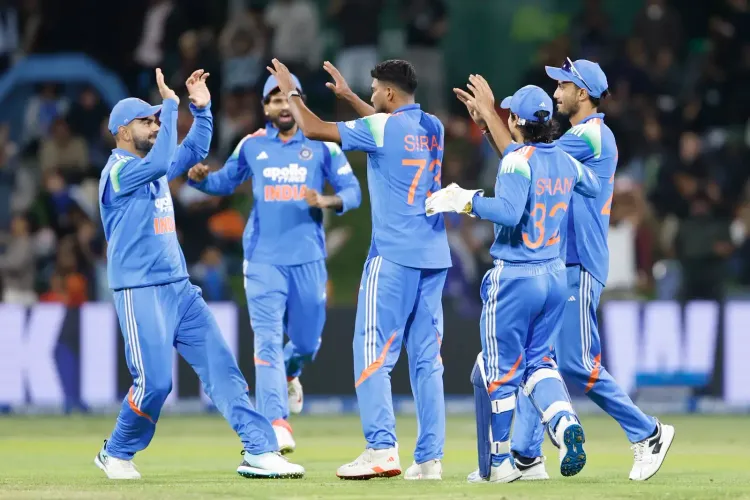
Synopsis
India sealed a 3-1 ODI series win over New Zealand with a 22-run victory at Mount Maunganui, but the celebrations came with a cost — the ICC fined every member of the Shreyas Iyer-led squad 35% of their match fee for being seven overs short. The penalty is automatic under ICC rules and required no formal hearing after Iyer admitted the offence.
Key Takeaways
India fined 35 per cent of match fee for a slow over-rate violation in the 5th ODI vs New Zealand on 15 November at Mount Maunganui .
The side was found seven overs short of its target, triggering a 5% per over deduction under ICC Article 2.22 .
Captain Shreyas Iyer admitted the offence and accepted the sanction; no formal hearing was required.
The charge was brought by umpires Paul Reiffel , Wayne Knights , Kumar Dharmasena , and Chris Brown .
India still clinched the ODI series 3-1 , winning the final match by 22 runs after posting 209 and bowling New Zealand out for 187 .
Ishan Kishan and Axar Patel each scored 46 runs to anchor India's innings.
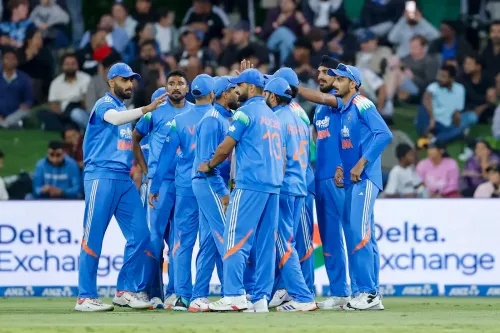
India have been fined 35 per cent of their match fee for a slow over-rate violation in the fifth and final ODI against New Zealand at Bay Oval, Mount Maunganui on 15 November, the International Cricket Council (ICC) confirmed. The penalty was handed down by match referee Ranjan Madugalle, a member of the Emirates ICC Elite Panel of Match Referees, after the Shreyas Iyer-led side was found to be seven overs short of its target once all time allowances were factored in.
How the Penalty Was Calculated
The sanction falls under Article 2.22 of the ICC Code of Conduct for Players and Player Support Personnel, which governs minimum over-rate offences. Under this provision, players forfeit five per cent of their match fee for each over their side fails to complete within the allotted time, with the total penalty capped at 50 per cent. Being seven overs short translated directly into a 35 per cent deduction for every member of the Indian squad involved in the match.
Iyer Accepts the Charge
Shreyas Iyer, who captained India in the final two ODIs at the Bay Oval in the absence of regular ODI captain Shubman Gill, admitted to the offence and agreed to the sanction without contesting it. 'Iyer pleaded guilty to the offence and accepted the proposed sanction, so there was no need for a formal hearing,' the ICC said. The charge was filed by on-field umpires Paul Reiffel and Wayne Knights, alongside third umpire Kumar Dharmasena and fourth umpire Chris Brown.
India Still Seal Series 3-1 Despite Fine
The financial penalty took some shine off an otherwise positive series conclusion for India, who secured a 3-1 series win with a hard-fought 22-run victory in the final match. Put under early pressure while batting, India leaned on vice-captain Ishan Kishan and left-arm spin bowling all-rounder Axar Patel, who contributed 46 runs each, helping the tourists post 209 in a low-scoring contest.
Bowlers Defend 209 to Complete Series Victory
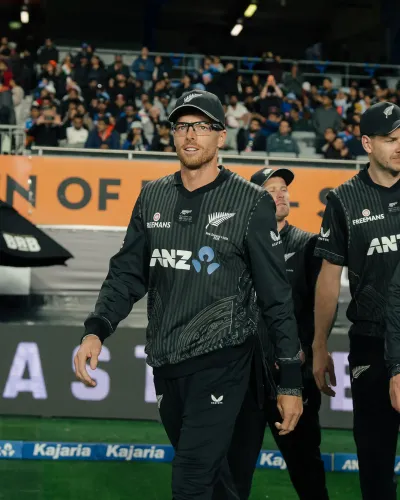
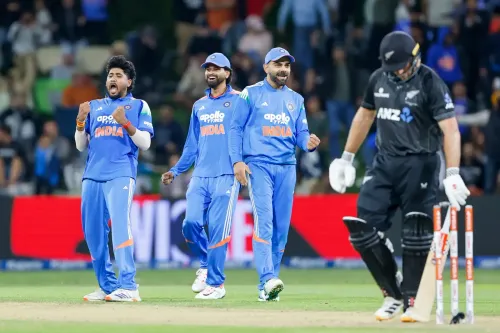
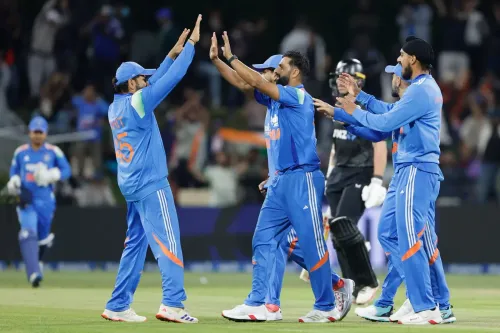
Though 209 appeared modest, India's pace attack applied sustained pressure throughout New Zealand's chase, taking wickets at regular intervals. The hosts were ultimately bowled out for 187, handing India the win and ensuring the ODI leg of the multi-format tour ended on a high. This is not an isolated case — slow over-rate penalties have become increasingly common in international cricket as the ICC enforces stricter compliance, and India have faced similar sanctions in previous series.
Point of View
And the pattern raises a legitimate question about on-field time management discipline that goes beyond any single captain. Iyer accepting the charge without a hearing is standard protocol, but the fact that India were seven overs short — not one or two — points to a structural problem in the team's pace bowling management during the field. The ICC's escalating enforcement is a deliberate policy signal, and teams that repeatedly absorb these fines as a cost of business may eventually find themselves facing more consequential sanctions such as points deductions in future World Cup Super League cycles. The series win is the headline, but the penalty deserves more than a footnote.
NationPress
18 Nov 2026
Frequently Asked Questions
Why was India fined 35% of their match fee after the 5th ODI against New Zealand?
India were fined 35 per cent of their match fee because the Shreyas Iyer-led side was seven overs short of completing their over-rate target in the 5th ODI at Mount Maunganui on 15 November. Under ICC Article 2.22, players lose 5% of their fee for each over their team falls short, making the total 35%.
Who was India's captain in the 5th ODI and what did he say about the fine?
Shreyas Iyer captained India in the final two ODIs in the absence of regular ODI captain Shubman Gill. Iyer pleaded guilty to the slow over-rate offence and accepted the proposed sanction, meaning no formal ICC hearing was necessary.
What is ICC Article 2.22 and how does the over-rate penalty work?
ICC Article 2.22 covers minimum over-rate offences. Teams that fail to complete their overs within the allotted time lose 5% of each player's match fee per over short, with the maximum penalty capped at 50%. Being seven overs short translates to a 35% deduction for all squad members.
What was the result of the 5th ODI between India and New Zealand?
India won the 5th ODI by 22 runs, bowling New Zealand out for 187 in pursuit of India's total of 209. The victory gave India a 3-1 series win over New Zealand in the ODI leg of the multi-format tour.
Who were the top performers for India in the final ODI?
Vice-captain Ishan Kishan and all-rounder Axar Patel were India's batting standouts, each contributing 46 runs to help India reach 209. India's fast bowlers then applied consistent pressure throughout New Zealand's chase to seal the win.