Chhattisgarh Cabinet clears rural tap water rules, ₹40.98 crore tribal education grant
Synopsis
Chhattisgarh's Cabinet has overhauled rural drinking water governance — replacing 2024 rules with a Jal Jeevan Mission-compliant framework that ties incentives to cost recovery — while simultaneously committing ₹40.98 crore to bring degree-level education to one of India's most remote tribal communities, the Abujhmaria PVTG in Narayanpur.
Key Takeaways
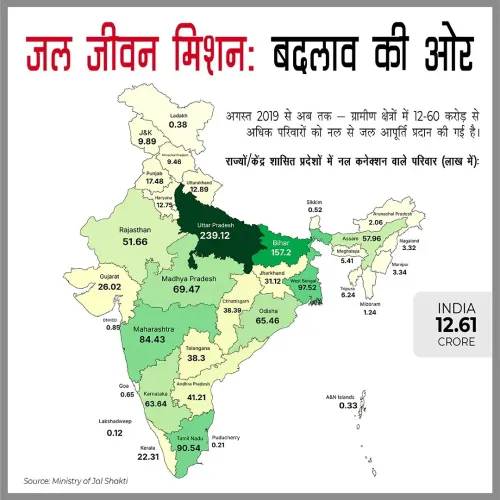
The Chhattisgarh Cabinet on 18 November 2026 approved the 'Chhattisgarh Panchayat Rural Tap Water Supply Rules, 2026' , replacing 2024 norms and embedding all 19 Jal Jeevan Mission parameters .
Gram Panchayats with populations under 1,000 will receive a Chief Minister's Tap Water Grant if they collect at least 50% of monthly water charges.
Panchayats collecting more than 75% of annual water charges will receive an annual incentive of ₹50,000 .
Nearly ₹40.98 crore sanctioned in three-year grants to Ramakrishna Mission Swami Vivekananda College in Narayanpur to expand higher education for the Abujhmaria PVTG community.
Approximately 24,090 sq ft of land in Kaurinbhatha village, Rajnandgaon allotted for a new juvenile observation home .
264 sq metres at Baldev Bagh, Rajnandgaon allocated for a Chhattisgarh Board of Secondary Education divisional office.
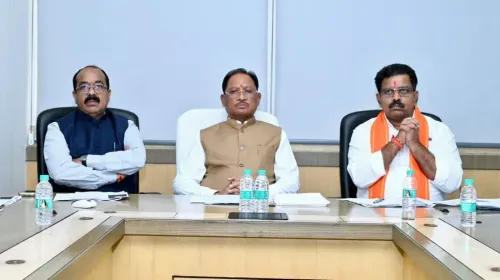
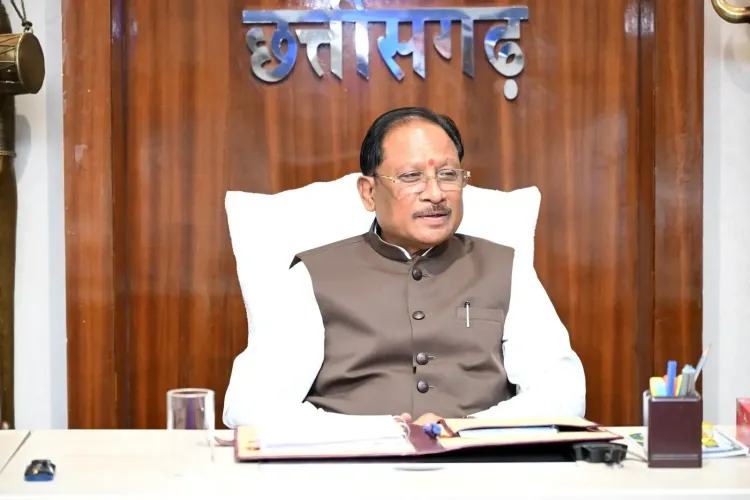
The Chhattisgarh Council of Ministers on Wednesday, 18 November 2026, approved a clutch of welfare, education, and infrastructure decisions — anchored by new rural tap water management rules aligned with Jal Jeevan Mission standards and a ₹40.98 crore grant package for higher education in the tribal-dominated Narayanpur district. The decisions, taken at a Cabinet meeting chaired by Chief Minister Vishnu Deo Sai, are set to affect rural households, tribal youth, and juvenile welfare facilities across the state.
New Tap Water Rules Replace 2024 Norms
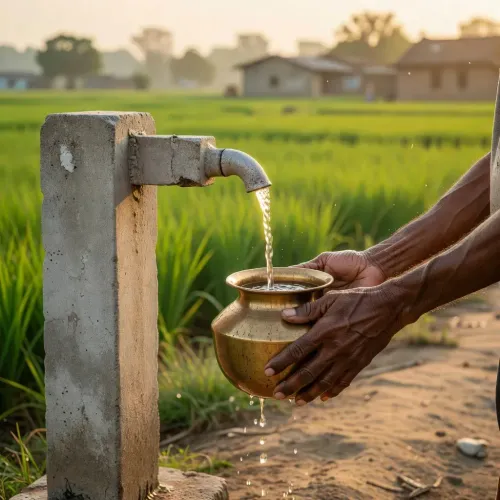
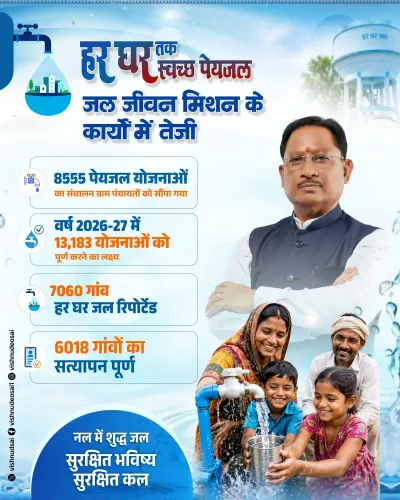
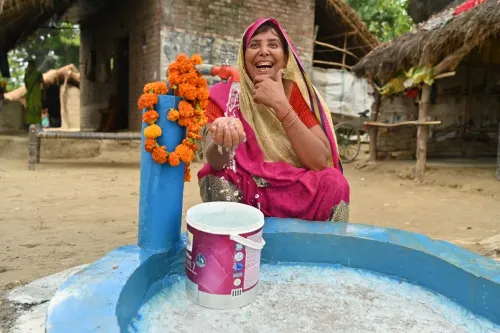
The Cabinet cleared the draft of the 'Chhattisgarh Panchayat (Rural Tap Water Supply Operation, Maintenance, and Management) Rules, 2026', repealing the existing 2024 norms. The revised framework incorporates all 19 technical, administrative, and financial parameters recommended by the Union government under the Jal Jeevan Mission, empowering Gram Panchayats to independently manage local water supply schemes.
To ease financial stress on smaller bodies, the state introduced the 'Chief Minister's Tap Water Grant' for Gram Panchayats with a population under 1,000, provided they collect at least 50 per cent of monthly water charges. Additionally, panchayats that collect more than 75 per cent of annual water charges will receive an annual 'Chief Minister's Tap Water Incentive' of ₹50,000. The twin-incentive structure is designed to encourage cost recovery at the grassroots while cushioning financially weaker local bodies.
₹40.98 Crore Push for Tribal Higher Education in Narayanpur
Fulfilling an earlier announcement by Chief Minister Vishnu Deo Sai, the Cabinet sanctioned recurring and non-recurring grants for three years to the Ramakrishna Mission Swami Vivekananda College, run by the Ramakrishna Mission Ashram in Narayanpur. The grant — amounting to nearly ₹40.98 crore — covers infrastructure and operational expenses ahead of the 2026-27 academic session.
The decision targets students from the Abujhmaria community, classified as a Particularly Vulnerable Tribal Group (PVTG). Norms under the Chhattisgarh Non-Government Colleges and Institutions (Establishment and Regulation) Act, 2006 are being relaxed to enable the institution's formal recognition, giving students in the remote Abujhmad region meaningful access to degree-level education for the first time.
Land Allotted for Juvenile Home and Board Office in Rajnandgaon
The Cabinet also approved two land allocation proposals in Rajnandgaon district. A parcel of approximately 24,090 square feet of state-managed 'Rajgami Sampada' land in Kaurinbhatha village will be transferred to the Department of Women and Child Development to construct a juvenile observation home — expanding safe accommodation, counselling, education, and rehabilitation facilities for children in conflict with the law.
Separately, 264 square metres within the State High School premises at Baldev Bagh in Rajnandgaon city were allotted for a divisional office of the Chhattisgarh Board of Secondary Education, improving local access to board services for students and institutions in the region.
What Comes Next
Implementation timelines for the tap water rules and the tribal education grant will hinge on administrative notifications expected in the coming weeks. The ₹40.98 crore outlay for Narayanpur is slated to be deployed before the 2026-27 academic session opens, while Gram Panchayats will need to meet the stipulated water-charge collection thresholds to qualify for the new incentives. Observers note that the success of the water management overhaul will ultimately depend on how effectively local bodies adapt to the expanded accountability framework.
Point of View
But three-year funding windows for institutions serving structurally marginalised communities historically lead to cliff-edge crises when grants lapse. The juvenile home land allocation in Rajnandgaon is overdue infrastructure, yet the state's overall child-in-conflict-with-law infrastructure remains thin relative to need. These are worthy decisions, but their impact will be measured in execution, not announcements.
NationPress
18 Nov 2026
Frequently Asked Questions
What are the new Chhattisgarh rural tap water rules approved in November 2026?
The Cabinet approved the 'Chhattisgarh Panchayat (Rural Tap Water Supply Operation, Maintenance, and Management) Rules, 2026', replacing the 2024 norms. The new rules embed all 19 technical, administrative, and financial parameters recommended by the Union government under the Jal Jeevan Mission, and empower Gram Panchayats to manage local water supply schemes with linked financial incentives.
What is the Chief Minister's Tap Water Incentive for Gram Panchayats?
Gram Panchayats that collect more than 75% of annual water charges will receive an annual incentive of ₹50,000. Additionally, smaller panchayats with populations under 1,000 that collect at least 50% of monthly charges will be eligible for a separate 'Chief Minister's Tap Water Grant' to ease financial pressure.
Why is the ₹40.98 crore grant for Narayanpur significant?
The grant supports the Ramakrishna Mission Swami Vivekananda College in Narayanpur for three years, specifically to expand higher education access for the Abujhmaria community — a Particularly Vulnerable Tribal Group in the remote Abujhmad region. It is one of the largest targeted education investments for a PVTG community in Chhattisgarh in recent years.
What was decided regarding land allocations in Rajnandgaon?
The Cabinet approved two separate land allotments in Rajnandgaon. Around 24,090 square feet in Kaurinbhatha village will go to the Department of Women and Child Development for a juvenile observation home, while 264 square metres at Baldev Bagh will house a divisional office of the Chhattisgarh Board of Secondary Education.
When will these Cabinet decisions take effect?
Administrative notifications for the tap water rules and education grants are expected in the coming weeks. The ₹40.98 crore education outlay is targeted for deployment before the 2026-27 academic session, while Gram Panchayats will begin qualifying for water-charge incentives once the new rules are formally notified.