V. Somanna Reports 81.71% of Rural Households Have Tap Water Supply
Synopsis
According to the latest report, a remarkable 81.71% of rural households in India now have access to tap water supply. This significant improvement reflects the ongoing efforts of the Jal Jeevan Mission since its launch in 2019.
Key Takeaways
81.71% of rural households have tap water supply.
Jal Jeevan Mission launched in August 2019 .
Independent assessments ensure water quality.
Significant improvements in household water access.
Ongoing efforts for sustainable water supply.
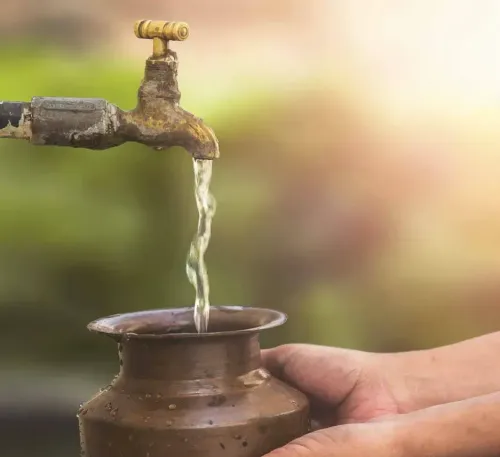
New Delhi, March 30 (NationPress) According to a report presented in the Rajya Sabha, out of approximately 19.36 crore rural households across the nation, around 15.82 crore (which equates to 81.71%) are currently benefiting from tap water supply as of March 3.
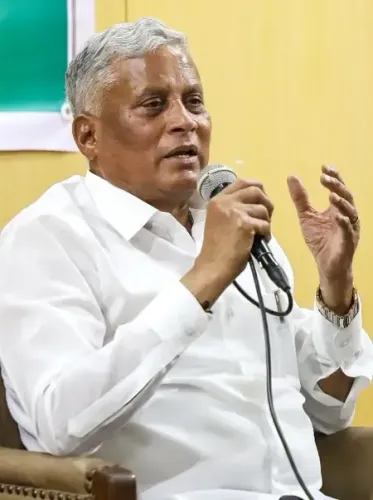
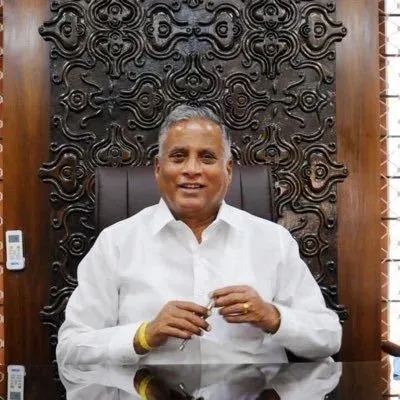
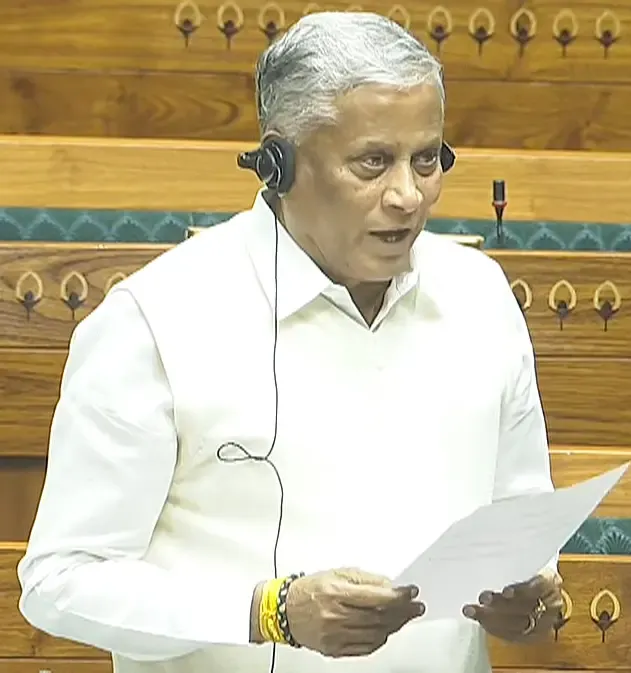
The Minister of State for Jal Shakti, V. Somanna, provided this information in a written response, noting that when the Jal Jeevan Mission (JJM) - Har Ghar Jal was launched in August 2019, only about 3.23 crore (or 16.7%) of rural households had access to tap water connections.
This initiative aims to ensure a consistent and adequate supply of water that meets prescribed quality standards through household tap connections.
The Minister highlighted that the department evaluates the functionality of these household tap water connections via an independent third-party agency using standard statistical sampling methods.
The Functionality Assessment conducted in 2024 revealed that 98.1% of households in the surveyed villages had tap connections, with 87% of these households reporting water supply within the past week, reflecting significant progress.
Furthermore, the 2024 Assessment indicated that 84% of households received water according to the schedule, 80% of households received a minimum of 55 LPCD of water, while 76% of households were free from bacteriological contamination. Additionally, 81% of the water supply sources were found free from chemical contamination. In terms of quantity, quality, and regularity, 76% of the household tap connections were deemed functional.
The Minister of State also mentioned that various measures have been implemented to strategically plan and execute JJM nationwide, including frequent reviews of the initiative's implementation, as well as workshops, conferences, and webinars aimed at capacity building, training, knowledge sharing, and field visits by a multi-disciplinary team for technical support.
Operational Guidelines for effective JJM implementation, as well as resources like the Margdarshika for Gram Panchayats & VWSCs to ensure safe drinking water in rural households, have been distributed to States and Union Territories. This also includes guidelines for campaigns focused on providing piped water supply to anganwadi centers, ashramshalas, and schools.
To facilitate online monitoring, the JJM–Integrated Management Information System (IMIS) and the JJM–Dashboard have been established, along with a transparent online financial management system through the Public Financial Management System (PFMS).
Point of View
It's crucial to highlight the substantial progress made under the Jal Jeevan Mission. The increase in tap water supply to rural households not only signifies improved public health but also indicates an ongoing commitment to sustainable development in India's rural infrastructure.
NationPress
26 Sept 2026
Frequently Asked Questions
What percentage of rural households have tap water supply?
As of March 3, 81.71% of rural households in India have access to tap water supply.
When was the Jal Jeevan Mission launched?
The Jal Jeevan Mission was launched in August 2019.
How many households had tap water connections at the start of JJM?
At the start of the Jal Jeevan Mission, only about 16.7% of rural households, or 3.23 crore, had tap water connections.
What measures are taken to ensure the quality of tap water?
The department assesses the functionality and quality of tap water connections through independent third-party evaluations.
What is the minimum water supply threshold mentioned?
The assessment revealed that 80% of households receive a minimum of 55 liters per capita per day (LPCD) of water.