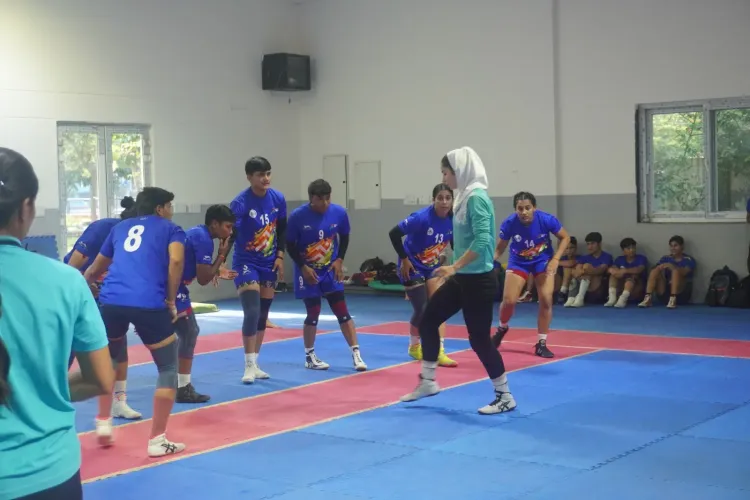
India, Iran women's kabaddi teams train together at SAI Sonepat for Asian Games 2026
Synopsis
Iran's women's kabaddi team — with over 80% of its squad rebuilt since the last Asian Games — spent six days training alongside India at SAI Sonepat ahead of Aichi-Nagoya 2026. The camp exposed a striking structural gap: Iran has 3,000–4,000 kabaddi players; India has an estimated 10 million, each playing 50–60 matches a year. Iran's coach called India the 'base of kabaddi' and hopes such exchanges become a permanent feature of the sport's global development.
Key Takeaways
Iran women's kabaddi team trained at SAI Sonepat from 13 August in a six-day joint camp ahead of Asian Games 2026 .
More than 80 per cent of Iran's squad is new since the previous Asian Games, according to head coach Gholamreza Mazandarani .
Iran has an estimated 3,000–4,000 kabaddi players; India reportedly has over 10 million , with individual players logging 50–60 matches per year.
India women's coach Naveen Kumar said the camp helped junior players understand international playing styles and tactics.
Iran player Zahra Karimi , on her third visit to India, praised the SAI facility and highlighted the depth advantage India holds.
Coach Mazandarani called India the 'base of kabaddi' and advocated for longer-term bilateral training exchanges to grow the sport globally.
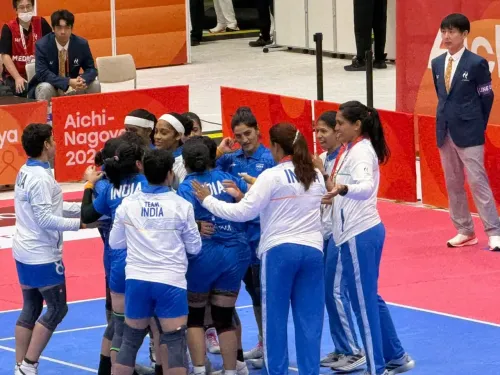
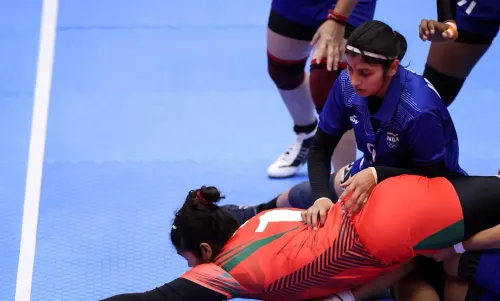
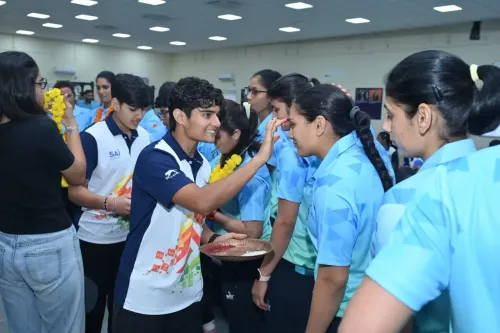
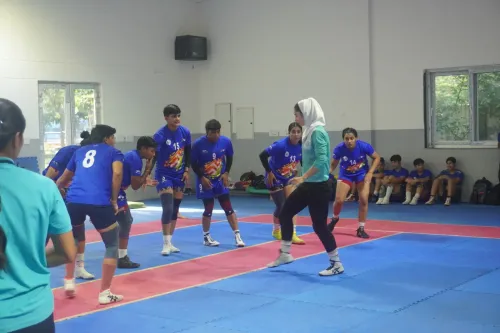
The Iran women's kabaddi team completed a six-day joint training camp at the Sports Authority of India (SAI) centre in Sonepat, playing a series of practice matches against the Indian women's kabaddi team ahead of the Asian Games 2026 in Aichi-Nagoya. The Iranian squad arrived on 13 August and also faced local sides at the SAI campus, making it a multi-opponent exposure exercise for both nations.
Purpose and Structure of the Camp
The camp was designed as a cross-border learning exercise, giving both sides competitive match practice in a controlled environment. While the primary beneficiary was the Iranian squad — preparing for a tournament where kabaddi competition is intense — Indian players also gained exposure to a different international playing style and tactical approach. The camp represents a growing trend of bilateral sports diplomacy through shared training infrastructure.
Iran's Young Squad and the India Advantage
Iran women's team head coach Gholamreza Mazandarani acknowledged the squad is in a significant rebuilding phase. 'For us, it is a very good chance to play friendly matches, improve the players and improve our team tactics. We want to show a better team in the Asian Games. It has been a good experience for our team because our team is very young now and we have changed maybe more than 80 per cent of the team from the last Asian Games,' Mazandarani said.
He also highlighted the sheer scale of India's kabaddi ecosystem as a structural advantage. 'In Iran we have around 3,000 to 4,000 kabaddi players in men and women. But here, I feel maybe you have more than 10 million kabaddi players. One kabaddi player in India, whether a teenager, junior or senior, maybe has more than 50–60 matches in a year. This is a big point for them,' he added.
India's Takeaways from the Exchange
India women's kabaddi team coach Naveen Kumar said the camp was particularly valuable for the country's younger players. 'Most of our new players are at the junior level, and they got an opportunity to learn a lot from playing against the Iranian team. They got to understand how Iran plays, and it also gave us an idea of how our young squad needs to prepare for the future,' he said.
Kumar also noted the experience within the Iranian ranks. 'The Iranian team also had players who have featured in three Asian Games, so they have a lot of experience. Their fitness, strength and explosive power are very good, and our young players can learn a lot from them,' he added.
Iran Player's View of SAI Sonepat
Iran player Zahra Karimi, visiting India for the third time, pointed to the structural gap between the two countries' kabaddi ecosystems. 'One of the biggest differences between Iran and India is that we don't have so many players in Iran and we can't compete with different players. India also has national games in their own country, which is very good for them, but we don't have that,' she said.
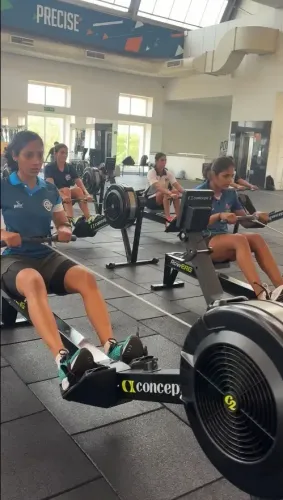
Karimi also praised the SAI facility itself. 'I think the SAI Academy is a very good place for athletes. I saw athletes from other sports staying here, practising and living here. It is very good because they can only think about their sport,' she noted.
A Blueprint for Kabaddi's Global Growth
Coach Mazandarani expressed hope that such exchanges could evolve into longer-term partnerships. 'I think the base of kabaddi is in India. Every coach and every player who wants to improve and come to the top level needs to come to India. Maybe in the long term, two or three months, we can continue, make strategy with the Iran team, improve the players and play friendly matches with local teams and the best players. This can improve kabaddi in every corner of the world,' he said.
With the Asian Games 2026 in Aichi-Nagoya approaching, both teams will be looking to translate the lessons from Sonepat into podium performances on the continental stage.
Point of View
India's kabaddi ecosystem is structurally unreplicable in the short term, and Iran's coach knows it. What's underreported is the reciprocal value: exposing India's junior players to a squad that includes three-time Asian Games veterans is exactly the kind of high-stakes simulation that domestic leagues cannot always provide. If SAI can institutionalise such bilateral camps across kabaddi and other indigenous sports, it could become a meaningful tool for both international relations and athlete development — two goals that rarely align this neatly.
NationPress
5 Oct 2026
Frequently Asked Questions
Why did the Iran women's kabaddi team train in India ahead of Asian Games 2026?
The Iranian team participated in a six-day joint training camp at SAI Sonepat to gain competitive match practice against the Indian side and local teams before the Asian Games 2026 in Aichi-Nagoya. Iran's head coach cited the camp as especially valuable given that over 80 per cent of the squad is new since the last Asian Games.
When did the Iran women's kabaddi team arrive in Sonepat?
The Iranian team arrived at the SAI Sonepat centre on 13 August and completed a six-day training camp that included practice matches against the Indian women's team and local sides.
What did India's kabaddi coach say about the joint camp?
India women's kabaddi team coach Naveen Kumar said the camp was highly beneficial for India's junior players, giving them insight into Iran's playing style and tactics. He also noted that facing Iranian players with three Asian Games appearances was a valuable learning experience for the younger members of the squad.
How does India's kabaddi ecosystem compare to Iran's?
According to Iran head coach Gholamreza Mazandarani, Iran has approximately 3,000 to 4,000 kabaddi players across men's and women's categories, while India is estimated to have over 10 million. He also noted that an individual Indian player — at any age level — can play 50 to 60 matches in a single year, a volume that is not possible in Iran.
What is the Asian Games 2026 kabaddi venue?
The Asian Games 2026 are scheduled to be held in Aichi-Nagoya, Japan. Both India and Iran are preparing their women's kabaddi squads for competition at the games.