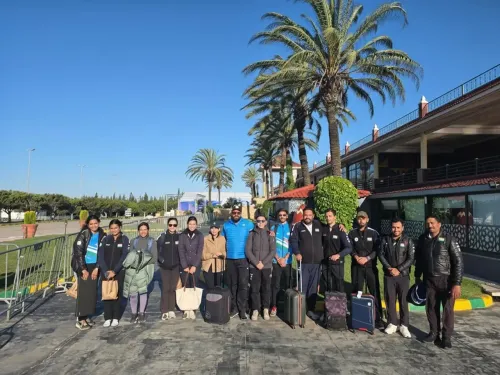
Indian shotgun squad of 12 heads to Almaty for second ISSF World Cup stage
Synopsis
India's shotgun contingent arrives in Almaty for the year's second ISSF World Cup stage, fielding three senior Olympians on day one and facing a star-studded field led by Italy. With eight additional RPO shooters in the mix, the 12-member squad must navigate competition from Finland, Denmark, China, and Russia to secure podium finishes and strengthen Olympic credentials.
Key Takeaways
12-member Indian shotgun squad competes at the second ISSF World Cup stage in Almaty, Kazakhstan , May 3–10, 2026 .
Men's and women's skeet qualifiers begin Monday, May 4 , with finals on May 5 ; trap finals on May 9 ; mixed team trap final on May 10 .
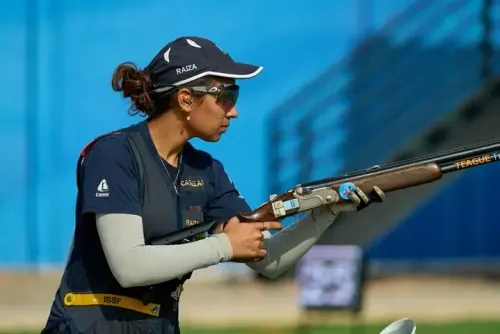
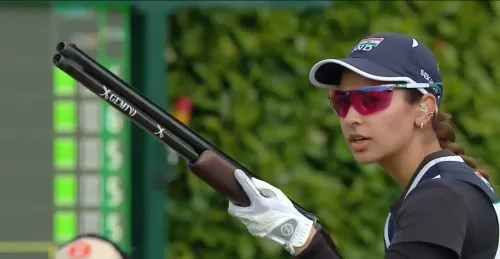
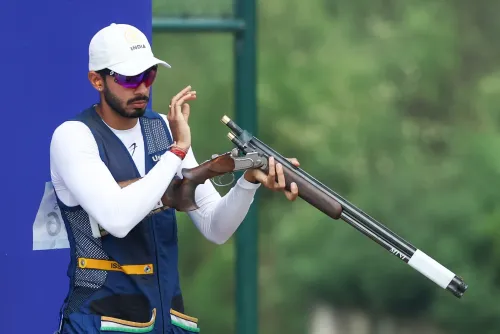
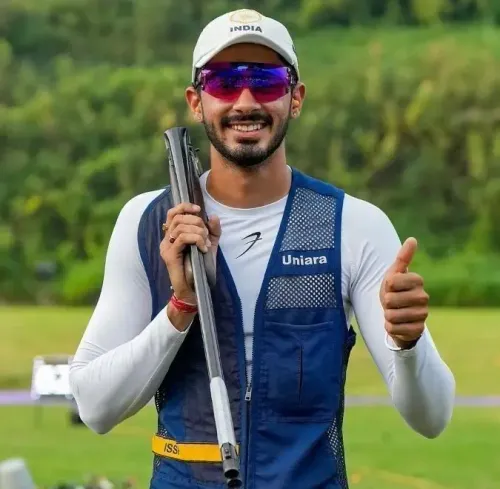
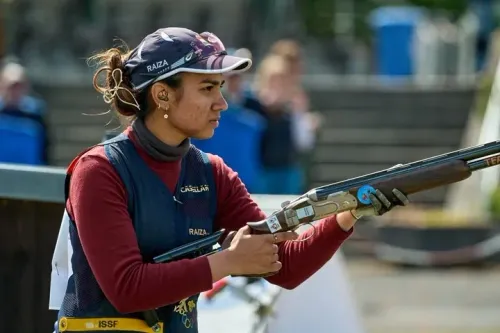
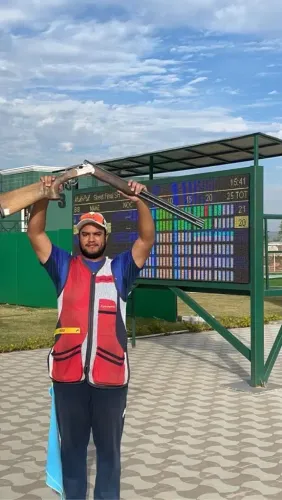
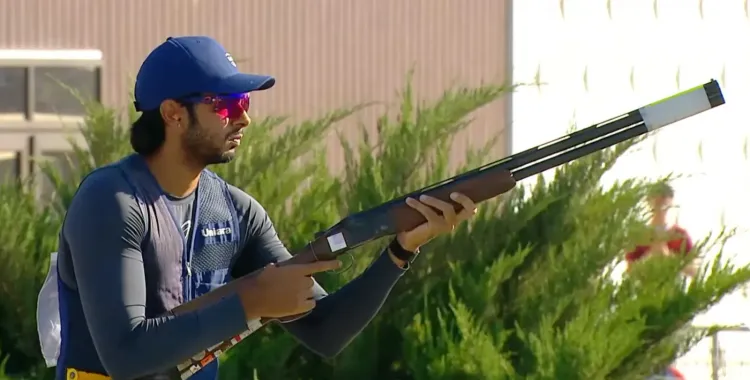
Mairaj Ahmad Khan , Anantjeet Singh Naruka (men's skeet), and Raiza Dhillon (women's skeet) lead India's opening day challenge — their first international action of 2026.
284 athletes from 42 nations compete across five Olympic shotgun events.
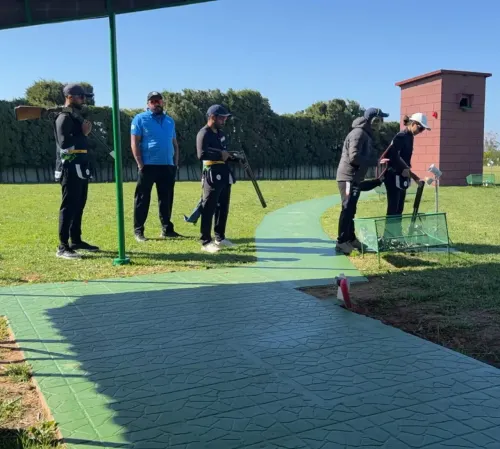
Eight Indian shooters competing as RPO (ranking points only) shooters; squad previously competed in Tangier, Morocco , in March 2026.
Top competitors include Italy , Finland , Denmark , China , and Russia (as Individual Neutral Athletes).
A 12-member Indian shotgun squad is set to compete at the second International Shooting Sport Federation (ISSF) World Cup stage in Almaty, Kazakhstan, with team arrivals beginning on Saturday, May 3, 2026. The event will run for 10 days, featuring 284 athletes from 42 national Olympic committees competing across five Olympic shotgun disciplines.
Competition Schedule and Events
Men's and women's skeet qualifiers kick off on Monday, May 4, 2026, with finals following on Tuesday, May 5. The two trap finals are scheduled for May 9, while the mixed team trap final — the fifth and final event — concludes on Saturday, May 10, 2026. Eight members of the Indian contingent are competing as RPO (ranking points only) shooters, a designation that affects their seeding and classification.
India's Opening Day Lineup
The Indian challenge begins with three senior Olympians on day one: Mairaj Ahmad Khan and Anantjeet Singh Naruka in men's skeet, and Raiza Dhillon in women's skeet. All three are competing in international action for the first time this calendar year, having prepared extensively since the squad's previous outing in Tangier, Morocco, in March 2026.
Competitive Landscape
India faces a formidable field led by Italy's dominant shotgun contingent, with strong representation from Finland, Denmark, Czech Republic, Cyprus, Greece, Peru, and Qatar. Host nation Kazakhstan brings a quality squad, while China and Russia — the latter competing as Individual Neutral Athletes (AIN) — add further depth to the competition. Notably, this is the Indian team's second World Cup stage of the season, following their March campaign in Morocco.
Path Forward
Success in Almaty would position Indian shooters favourably in the ISSF rankings ahead of upcoming continental and world championships. The squad's performance will also serve as a barometer for Olympic preparations, with several athletes eyeing podium finishes to strengthen their credentials for future selection.
Point of View
India's performance will signal whether the squad's winter preparations have translated into international form. The RPO shooters add depth but also dilute India's medal probability — success will depend on whether the senior trio can replicate their domestic form under pressure.
NationPress
19 Sept 2026
Frequently Asked Questions
When does the ISSF World Cup shotgun stage in Almaty begin?
Team arrivals begin on Saturday, May 3, 2026, with competitions starting Monday, May 4, 2026. The 10-day event concludes on May 10, 2026.
Which Indian shooters are competing on the opening day?
Mairaj Ahmad Khan and Anantjeet Singh Naruka compete in men's skeet, while Raiza Dhillon competes in women's skeet on Monday, May 4, 2026 — their first international action of the calendar year.
How many Indian shooters are in the squad, and what does RPO mean?
The Indian contingent comprises 12 shooters, with eight competing as RPO (ranking points only) shooters. RPO designation means they earn ranking points but are not eligible for medals or prize money.
What are the five Olympic shotgun events at the World Cup?
The five Olympic events are men's skeet, women's skeet, men's trap, women's trap, and mixed team trap. Qualifiers and finals are staggered across May 4–10.
Which countries pose the strongest competition to India?
Italy leads the field, with strong competition also from Finland, Denmark, Czech Republic, China, and Russia (competing as Individual Neutral Athletes). Host nation Kazakhstan also fields a quality squad.