India Women's T20 WC 2026 SWOT: Batting firepower vs bowling inexperience
Synopsis
India arrive at the Women's T20 World Cup 2026 as 50-over champions with the world's second-best batting average — but their powerplay bowling is the leakiest among top sides, and key pace options are injured or unavailable. The group stage pits them against South Africa and Australia. History says India can go deep. History also says they often stop there.
Key Takeaways
India open their Women's T20 World Cup 2026 Group 1 campaign against Pakistan on 14 June in England and Wales .
Smriti Mandhana and Shafali Verma 's opening partnership has scored 762 runs at a strike rate of 150 since the 2024 edition — the best of any pair in women's T20Is.
India's spinners have taken 84 wickets in 24 innings at an economy of 7.6 since 2024, second only to Australia.
In the powerplay, India concede at 8 runs per over and take a wicket every 28 balls — the worst figures among top teams.
Amanjot Kaur and Kashvee Gautam are unavailable through injury; Nandini Sharma (17 WPL wickets, 3-34 on T20I debut) offers a fresh pace option.
A title win would make India only the third side to hold back-to-back global silverware after Australia and England.
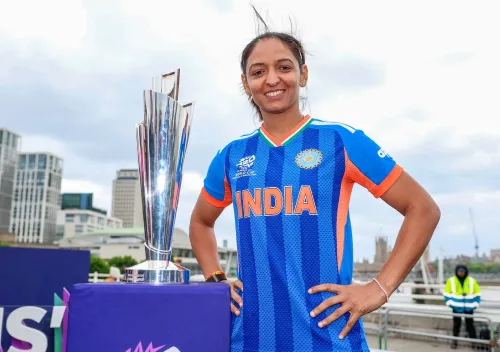
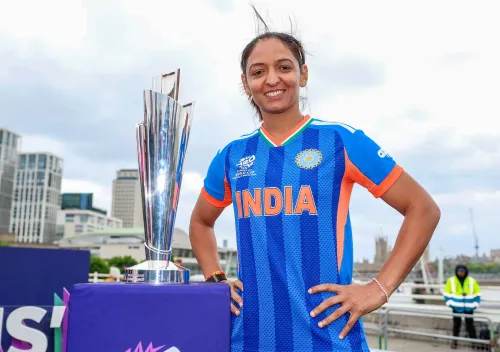
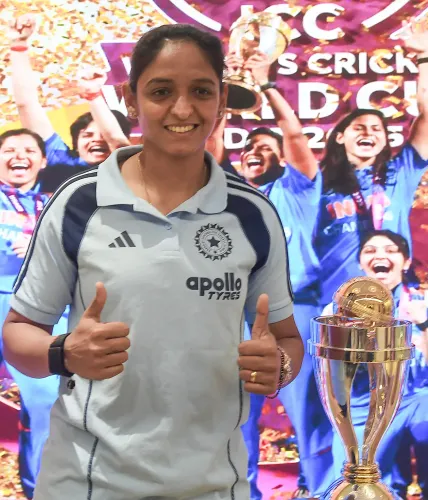
India will step into the tenth edition of the Women's T20 World Cup in England and Wales carrying the glow of their 50-over World Cup triumph on home soil last year. Captain Harmanpreet Kaur leads a batting lineup capable of unsettling any opponent, yet the pace bowling attack's relative inexperience in English conditions remains a genuine concern as the side opens its Group 1 campaign against Pakistan on 14 June.
Strengths: A Batting Arsenal That Commands Respect
India's batting is the clearest differentiator from the rest of the field. Since the 2024 Women's T20 World Cup, the side has posted the second-highest team average (30.1) and run rate (8.8) in the world — figures bettered only by six-time champions Australia.
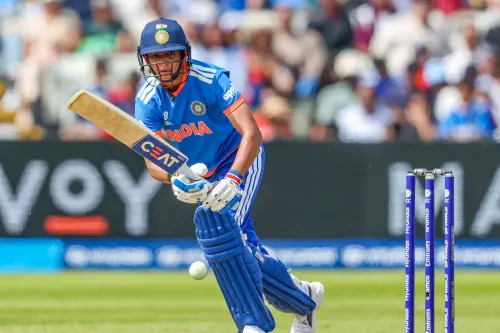
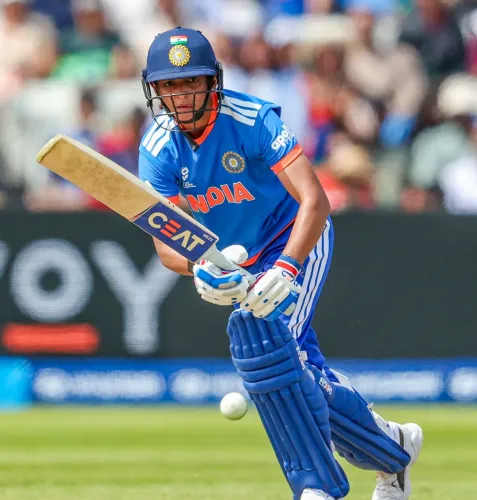
At the top of the order, Smriti Mandhana and Shafali Verma have been a consistent source of damage. Their opening partnership has accumulated 762 runs in the same period at a strike rate of 150, the highest of any opening pair in women's T20Is globally. Mandhana's record in England is particularly striking: among batters with 500 or more runs in women's T20Is in England, no one averages higher than her 38.3. Even as she managed only 40 runs in India's recent 2-1 T20I series loss in England, the team will look to her for a big-tournament revival.
Shafali brings something complementary — raw power married to growing maturity. Her powerplay strike rate of 157 since the 2024 World Cup is the highest among high-volume batters, and she has been even more destructive in the middle overs, striking at 164. She has struck 16 sixes in this period — joint-second in the world — and will be hoping to register her elusive first T20 World Cup fifty on English soil.
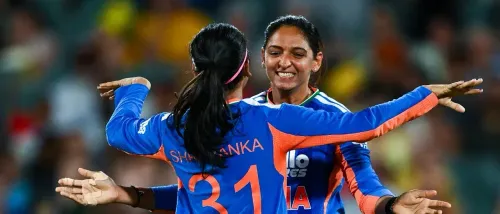
The spin bowling unit is another genuine asset, particularly if warm conditions prevail on match days. Post the 2024 edition, India's spinners have recorded the second-best balls-per-wicket rate (17.9) after Australia, claiming 84 wickets in 24 innings at an economy of 7.6. Sree Charani, who debuted in T20Is in England last year and claimed ten wickets in that series to win the Player of the Series award, will again be central alongside Shreyanka Patil and Radha Yadav. Deepti Sharma, the all-time leading wicket-taker in women's T20Is with 161 scalps, provides the experience that holds the attack together despite a somewhat mixed recent run.
Weaknesses: Pace Bowling Gaps and Middle-Order Questions
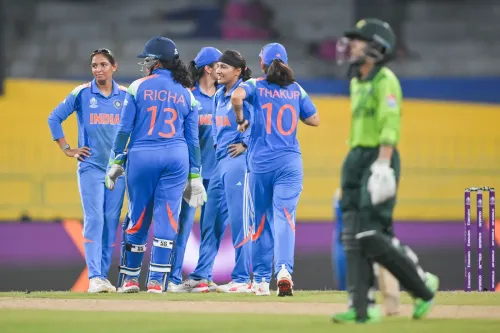
The pace bowling department remains a persistent vulnerability. The absence of Amanjot Kaur (back injury) and Kashvee Gautam (knee injury), combined with Renuka Singh Thakur's unexplained non-participation in the recent England series, has left India notably thin in fast bowling depth.
The numbers tell a difficult story. In the powerplay — when English conditions typically offer the most assistance to seamers — India have been the most expensive attack in the format, conceding at 8 runs per over and taking a wicket only once every 28 balls, the worst figure among the leading sides. For a team that leans heavily on spinners to do the containing and wicket-taking work, profligate powerplay bowling could prove costly.
The middle order remains unsettled. Yastika Bhatia impressed on her return to the T20I side after a two-year absence, batting at number three — a slot long associated with Jemimah Rodrigues — but a tendency to slow down after the powerplay places added pressure on the batters who follow. At the back end, Richa Ghosh has yet to fire consistently, while Bharti Fulmali, brought in for the finisher's role, has had limited opportunity and has not looked at her best when given it.
Opportunities: History, Momentum and Fresh Match-Winners
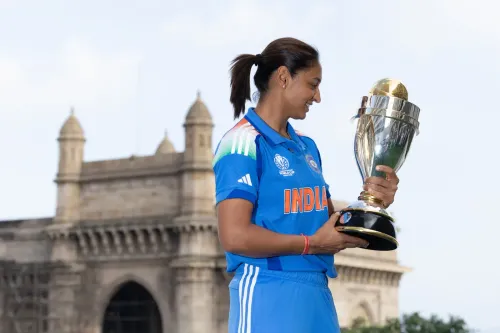
India's 50-over World Cup victory last year ended a long drought in senior women's cricket silverware. Winning the T20 title would make India only the third side to claim back-to-back global silverwares — a feat previously achieved only by Australia and England.
Despite a 4-1 defeat to South Africa and a 2-1 loss to England in recent weeks, India's broader record since the 2024 Women's World Cup reflects a team trending upward: a win percentage of nearly 62%. The side has also shown a capacity to raise its game when it matters most.
Two players who emerged through the Women's Premier League (WPL) could alter the course of tight matches. Fulmali's role as a power-hitter in the lower order is clearly defined — to accelerate alongside Richa and give the innings a late flourish. More significantly, Nandini Sharma, the Chandigarh-based pacer, arrives as the joint-leading wicket-taker in this year's WPL with 17 wickets from ten outings. She made her T20I debut against England last month and immediately delivered 3 for 34. For a bowling attack searching for variety and pace, Nandini is a timely addition.
Threats: Group-Stage Ghosts and Dangerous Rivals
India's mixed recent form has revived uncomfortable memories of the 2024 Women's T20 World Cup in the UAE, where the side entered as strong contenders but suffered a heavy opening defeat to New Zealand in Dubai. That loss triggered a cascade of unresolved selection issues, tactical inconsistencies, and a group-stage exit that left supporters disillusioned.
The Group 1 path in 2026 is no easier. South Africa have been dominant in bilateral cricket, while Australia — freed from the weight of defending a title — are historically at their most dangerous in major tournaments. India face both sides in the group stage, alongside Pakistan, Bangladesh, and Netherlands.
The broader question hanging over this campaign is a familiar one: India have repeatedly shown they are good enough to go deep in major tournaments, but have struggled to go all the way. Whether the lessons of 2024 have been genuinely absorbed — or whether the same structural vulnerabilities resurface — will define this World Cup campaign.
Point of View
But the powerplay bowling numbers are not a minor concern — they are a structural flaw that well-prepared opposition coaches will have circled in red. England's conditions, which assist pace and swing most in the first six overs, are precisely where India are most exposed. The injury absences of Amanjot Kaur and Kashvee Gautam are not bad luck; they reveal how thin the pace pipeline remains despite the WPL's growth. Nandini Sharma is a bright spark, but one debutant does not fix a systemic gap. The 2024 UAE collapse was not an aberration — it was a symptom. Until India solve their powerplay bowling and settle a finisher below Richa Ghosh, the gap between 'good enough to reach the semis' and 'good enough to win it' will persist.
NationPress
23 Sept 2026
Frequently Asked Questions
When does India play their first match at the Women's T20 World Cup 2026?
India open their Group 1 campaign against Pakistan on 14 June at the Women's T20 World Cup 2026 in England and Wales. They will subsequently face Bangladesh, Netherlands, South Africa, and Australia in the group stage.
What is India's biggest strength at the Women's T20 World Cup 2026?
India's batting is their standout asset — the side holds the second-highest team average (30.1) and run rate (8.8) in women's T20Is since the 2024 edition, behind only Australia. The Smriti Mandhana–Shafali Verma opening partnership has scored 762 runs at a strike rate of 150, the best of any pair globally.
What are India's key weaknesses heading into the tournament?
India's pace bowling is the primary concern, with Amanjot Kaur (back) and Kashvee Gautam (knee) both unavailable through injury. In the powerplay, India concede 8 runs per over and take a wicket only once every 28 balls — the worst figures among top teams. The middle order and finishing roles also remain unsettled.
Who is Nandini Sharma and why does she matter for India?
Nandini Sharma is a Chandigarh-based pace bowler who was the joint-leading wicket-taker in the 2025 WPL season with 17 wickets from ten matches. She made her T20I debut against England and immediately claimed 3 for 34, offering India rare variety and pace in a bowling attack short on options.
What would a Women's T20 World Cup title mean for India?
Victory would make India only the third team in history to hold back-to-back global cricket silverware, after Australia and England. It would follow their 50-over World Cup triumph on home soil last year and cement this generation as India's most successful women's cricket era.