IOC proposes major Olympic program and host election reforms for 2032
Synopsis
The IOC is overhauling how Olympic sports make the programme cut and how host cities are chosen — shifting to discipline-by-discipline evaluation and inserting a new 'Strategic Dialogue' phase in the bidding process. With Brisbane 2032 as the first test case, these are among the most consequential governance changes the organisation has proposed in years.
Key Takeaways
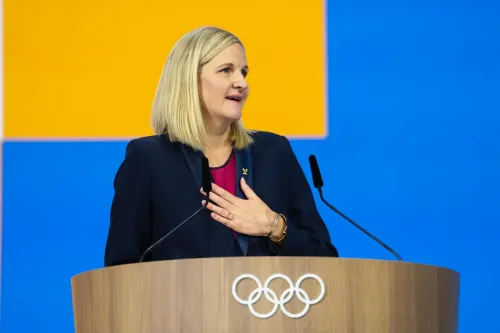
IOC President Kirsty Coventry presented sweeping reform proposals in Geneva on 11 June under the 'Fit for the Future' initiative.
The IOC proposes evaluating individual Olympic disciplines rather than entire sports, to better reflect venue and cost impact.
Two separate assessment pathways — for incumbent and candidate disciplines — would be introduced, with a final comparative stage.
A new 'Strategic Dialogue' phase would be added to the host election process between Continuous Dialogue and Targeted Dialogue stages.
If approved by the IOC Session , the new framework would first apply to the 2032 Olympic Games in Brisbane .
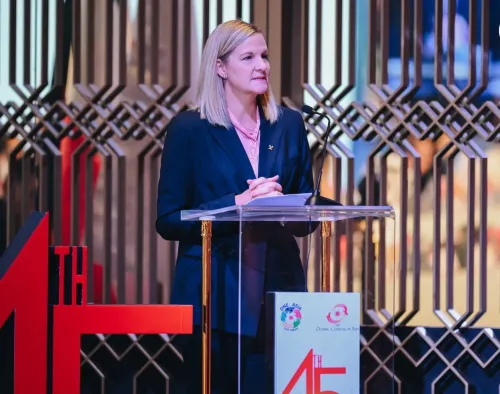
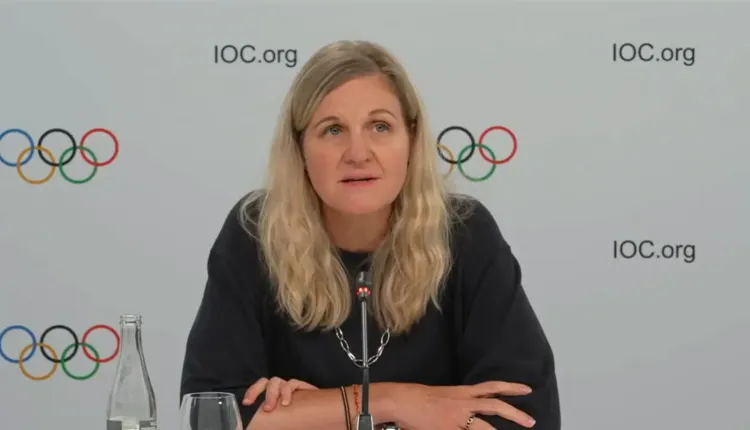
The International Olympic Committee (IOC) Executive Board has proposed sweeping reforms to the Olympic Games program review process and host election framework, aiming to improve transparency, sustainability, cost management, and athlete-centred decision-making. The proposals were presented by IOC President Kirsty Coventry in Geneva on 11 June as part of the organisation's ongoing 'Fit for the Future' initiative.
Discipline-Based Evaluation: The Core Change
A central pillar of the proposed reforms is a shift from evaluating entire sports to evaluating individual Olympic disciplines. The IOC argues this approach more accurately captures the real-world impact of each discipline on venue requirements, operational complexity, and overall Games costs.
Under the proposed framework, an Olympic discipline is defined as one or more events within a sport that require a dedicated field of play — or a significant modification to a shared field of play — typically involving a distinct group of athletes. If endorsed by the IOC Session, this new methodology would be introduced for the 2032 Olympic Games in Brisbane.
Two Pathways for Disciplines
The revised review process would establish two separate assessment tracks: incumbent disciplines already included in the Olympic programme under the Host Contract, and candidate disciplines seeking inclusion for the first time.
Both tracks would be assessed against comparable standards, though the IOC acknowledged that separate pathways are necessary to account for differences in available performance data and to ensure fairer evaluations. All disciplines would first undergo an eligibility screening covering governance standards, anti-doping compliance, integrity measures, and athlete safeguarding policies.
Following eligibility screening, disciplines would be assessed on global appeal, cost and operational complexity, and athlete representation. A final comparative stage would pit the highest-performing candidate disciplines against the lowest-performing incumbents using consistent, objective benchmarks — a mechanism designed to keep the programme competitive and relevant.
Reforms to the Host Election Process
The Executive Board has also proposed changes to how future Olympic host cities are selected, with a focus on increasing transparency and strengthening member involvement. A key addition is a new transitional phase called 'Strategic Dialogue', to be inserted between the existing Continuous Dialogue and Targeted Dialogue stages. This phase would allow the Executive Board to identify and shortlist interested parties before formal discussions advance.
'The reforms are designed to enable potential hosts to develop their projects in a more cost-efficient way, offering planning security for governments while allowing sufficient time to build public support,' the IOC said in a statement.
Balancing Size, Relevance, and Innovation
The IOC stated that the new methodology is designed to balance three priorities: maintaining an appropriate Games size, ensuring global relevance, and creating opportunities for innovation and new disciplines. This comes amid growing scrutiny over the escalating costs and logistical complexity of hosting the Olympics, with several prospective cities having withdrawn bids in recent cycles over financial concerns.
If the IOC Session endorses the full package of changes, it would represent one of the most significant overhauls of Olympic governance in recent years, with the Brisbane 2032 Games serving as the first test of the new framework.
Point of View
Where cost uncertainty killed interest before formal dialogue even began. The real question is whether these reforms give the Executive Board more discretion — or more accountability. Past governance overhauls at the IOC have tended to centralise decision-making under the banner of efficiency. Whether Brisbane 2032 becomes a genuine proof of concept or a managed showcase will depend on how transparently the new benchmarks are applied and published.
NationPress
26 Oct 2026
Frequently Asked Questions
What are the IOC's proposed Olympic program reforms?
The IOC has proposed replacing whole-sport evaluations with discipline-by-discipline assessments, establishing two separate review pathways for incumbent and candidate disciplines. The changes are designed to more accurately reflect the cost, complexity, and global appeal of each discipline. If approved, they would take effect at the 2032 Brisbane Olympics.
What is the 'Strategic Dialogue' phase in the host election process?
'Strategic Dialogue' is a new transitional phase proposed by the IOC Executive Board, to be inserted between the existing Continuous Dialogue and Targeted Dialogue stages. It would allow the Executive Board to identify and shortlist interested host parties before advancing to formal discussions, offering governments greater planning security.
When would these reforms take effect?
Subject to approval by the IOC Session, the new discipline-review methodology and host election changes would be introduced for the 2032 Olympic Games in Brisbane.
Why is the IOC shifting to discipline-based evaluation?
The IOC says evaluating individual disciplines — rather than entire sports — more accurately captures their specific impact on venue requirements, operational complexity, and overall Games costs. The approach is intended to make the programme review fairer and more transparent.
What criteria will disciplines be assessed on?
All disciplines will first undergo eligibility screening covering governance standards, anti-doping compliance, integrity measures, and athlete safeguarding. They will then be assessed on global appeal, cost and operational complexity, and athlete representation, before a final comparative stage pits top candidates against lower-performing incumbents.