Khawaja reveals Warner promise drove him to expose 2018 ball-tampering truth
Synopsis
Nearly eight years after the Cape Town sandpaper scandal, Usman Khawaja has gone on record — driven by a promise to David Warner — claiming Smith, Warner, and Bancroft were scapegoated for a team-wide failing. His autobiography Sabr lands Tuesday, and it threatens to reopen one of cricket's most divisive chapters.
Key Takeaways
Usman Khawaja says a personal promise to David Warner compelled him to speak publicly about the 2018 ball-tampering scandal .
His autobiography Sabr is set to be published on Tuesday, 11 November 2026 , with extracts already in circulation.
Khawaja claims Steven Smith , Warner , and Cameron Bancroft unfairly shouldered collective responsibility for a team-wide episode.
Smith personally persuaded Khawaja not to speak out immediately after the 2018 sanctions were imposed.
Khawaja first considered going public again in 2021 after Bancroft's Guardian interview, but held back while still part of the national squad.
He says his retirement from international cricket freed him to speak independently without affecting the dressing room.
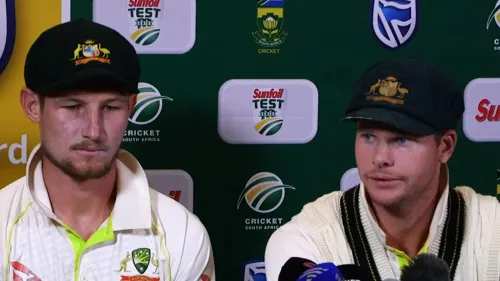
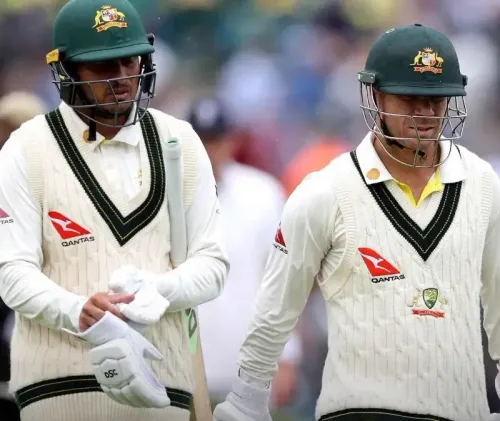
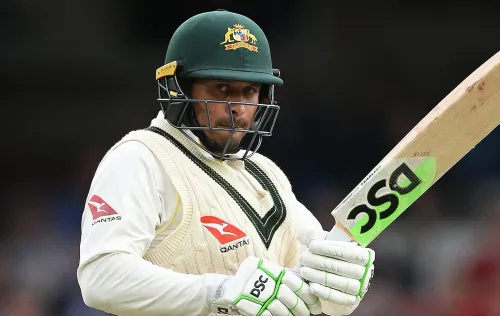
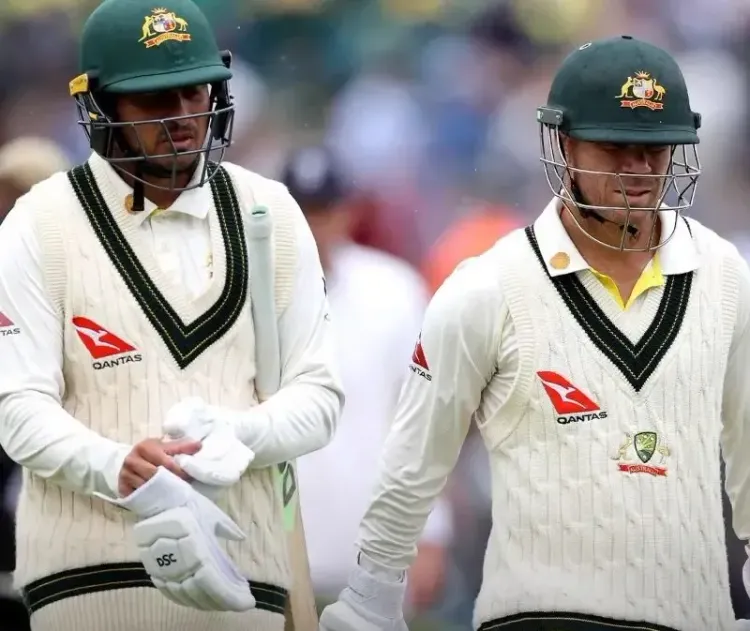
Usman Khawaja has disclosed that a personal promise made to childhood friend and teammate David Warner was the defining reason he chose to speak openly about Australia's infamous 2018 ball-tampering scandal, arguing that former captain Steven Smith, Warner, and Cameron Bancroft were unjustly left to bear the full weight of consequences for an episode that, in his account, implicated the broader Australian squad.
The revelations come ahead of the publication of Khawaja's autobiography Sabr on Tuesday, in which he offers an insider account of the events surrounding the Cape Town Test of March 2018 during Australia's tour of South Africa.
The Promise to Warner
Khawaja was unequivocal about what moved him to revisit a controversy that had long divided Australian cricket. 'I made a promise to my childhood friend David Warner that I would tell the truth, so he could tell a story,' he said. 'I'm absolutely 100 percent unapologetic for that. I stuck up for all cricketers in the past through the ACA, fighting for what I thought was right. This is no different.'
In a series of videos posted on Instagram on Sunday, Khawaja also pushed back against suggestions that his disclosures were an attempt to redirect blame toward other team members. 'I haven't thrown anyone under the bus,' he said. 'These three guys took the blame for all of us. They're the victims.'
What Khawaja Claims About Collective Responsibility
The Pakistan-born Australian batsman maintained that Smith, Warner, and Bancroft were not the sole architects of what unfolded in Cape Town, and that the wider team bore a shared responsibility that was never publicly acknowledged. 'These three guys deserve justice, and I haven't pointed fingers at anyone,' he said. 'For us, me included, to take the blame together as a team, so we can all move on from this once and for all. You know what? I would do it again in a heartbeat.'
Notably, Khawaja revealed that his first attempt to speak publicly came almost immediately after the sanctions were handed down in 2018, but Smith personally dissuaded him. 'Smudge (Smith) being the man and leader he was talked me out of it,' Khawaja said. 'He wanted to take the blame. I argued with him, but he was having none of it. That's the first time I tried to come out.'
The 2021 Bancroft Interview and Its Fallout
Khawaja came close to speaking up again in 2021, following Cameron Bancroft's interview with The Guardian, in which the former opener implied it was 'self explanatory' that the bowlers would have known about the sandpaper used to alter the ball's condition. The subsequent joint statement issued by Australia's bowlers, however, left Khawaja unwilling to publicly contradict his teammates while he remained part of the national set-up.
In an extract published by News Corp, Khawaja described Warner's reaction to that statement in blunt terms: 'This really p**sed me off but not as much as it pissed Davy off. I got some pretty heated texts that night.'
Why He Stayed Silent While Still Playing
Khawaja acknowledged that his silence during four active years of international cricket after the incident was deliberate, driven by an acute awareness of his influence inside the dressing room. 'I never wanted to be the first guy to chat about this,' he said. 'I didn't know how to do it because I was still in the team. How was I ever supposed to bring this up when I knew some of my team-mates didn't want to talk about it?'
He drew a clear distinction between his position then and now: 'I'm not in that team anymore. What I say now isn't a reflection of them anymore. Now my words don't influence the team at all. I speak for myself.'
What This Means for Australian Cricket
Khawaja's account, emerging nearly eight years after the Cape Town Test, reignites questions about accountability and institutional culture within Cricket Australia that many believed had been settled. The 2018 scandal led to 12-month bans for Smith and Warner and a nine-month ban for Bancroft — penalties that were widely debated at the time for their scope and proportionality. With Sabr now entering public circulation, the broader cricketing community is likely to revisit those questions with fresh context.
Point of View
The question is not why he is speaking now, but why Cricket Australia's own inquiry in 2018 did not compel the broader squad to account publicly. The selective accountability that followed Cape Town was always the scandal within the scandal. Khawaja's book may not resolve that, but it makes the convenient closure of 2018 much harder to sustain.
NationPress
8 Nov 2026
Frequently Asked Questions
Why did Usman Khawaja decide to speak about the 2018 ball-tampering scandal now?
Khawaja says he made a personal promise to childhood friend and teammate David Warner that he would eventually tell the truth so Warner could tell his own story. He also explains that retirement from international cricket freed him to speak without risking harm to the dressing room dynamic.
What does Khawaja claim about Smith, Warner, and Bancroft in his book Sabr?
Khawaja argues that the three players who received sanctions — Steven Smith, David Warner, and Cameron Bancroft — were made to shoulder blame for an episode that involved the wider Australian team. He describes them as 'the victims' and calls for collective accountability.
Why did Khawaja not speak out earlier, including after Bancroft's 2021 Guardian interview?
Khawaja says he was unwilling to be the first team member to publicly reopen the issue while still playing for Australia, concerned about the impact on teammates and the dressing room. After Bancroft's 2021 comments, the bowlers' joint statement made him even less willing to act while still in the squad.
What happened to Smith, Warner, and Bancroft after the 2018 Cape Town Test?
Steven Smith and David Warner received 12-month bans from international and domestic cricket, while Cameron Bancroft was banned for nine months by Cricket Australia following the sandpaper ball-tampering incident during the Cape Town Test in March 2018.
What is Khawaja's autobiography Sabr about?
Sabr is Usman Khawaja's memoir, published on Tuesday, that covers his personal and professional journey including his account of the 2018 Cape Town ball-tampering scandal. The title is an Arabic word meaning patience or perseverance, reflecting themes in his life story.