Gambhir tells Kuldeep: Bowl your spell, don't chase wickets
Synopsis
Gautam Gambhir's message to Kuldeep Yadav before the Colombo Test cuts through the selection noise: stop chasing wickets, start bowling spells. With Saransh Jain waiting in the wings and India's 20-wicket philosophy driving every selection call, Kuldeep's place in the XI hinges not on his Galle return but on whether the captain sees him as the most threatening option in these conditions.
Key Takeaways
Gautam Gambhir told Kuldeep Yadav to focus on bowling quality spells rather than hunting wickets desperately ahead of the 2nd Test in Colombo .
Kuldeep took just one wicket in the first Test, which India won by 165 runs in Galle .
Uncapped off-spin all-rounder Saransh Jain is available as an alternative if India seek more variety.
Gambhir reaffirmed the importance of fielding five specialist bowlers for better rotation and flexibility.
Devdutt Padikkal and Manav Suthar were praised for seizing their opportunities, with Gambhir pledging a longer rope for young players.
Gambhir ruled out restricting Yashasvi Jaiswal's cut shot, instead advocating for skill refinement over shot suppression.
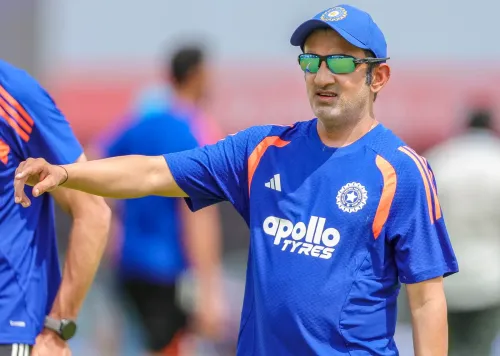
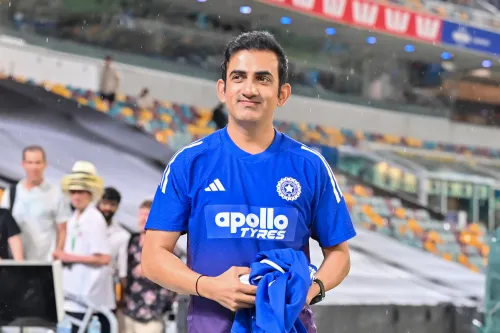
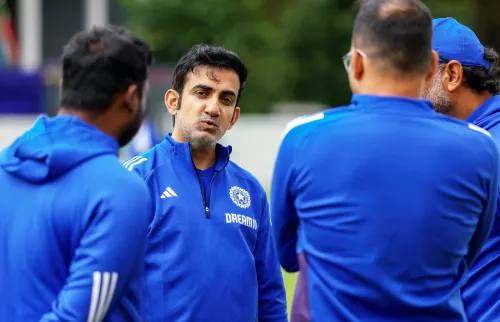
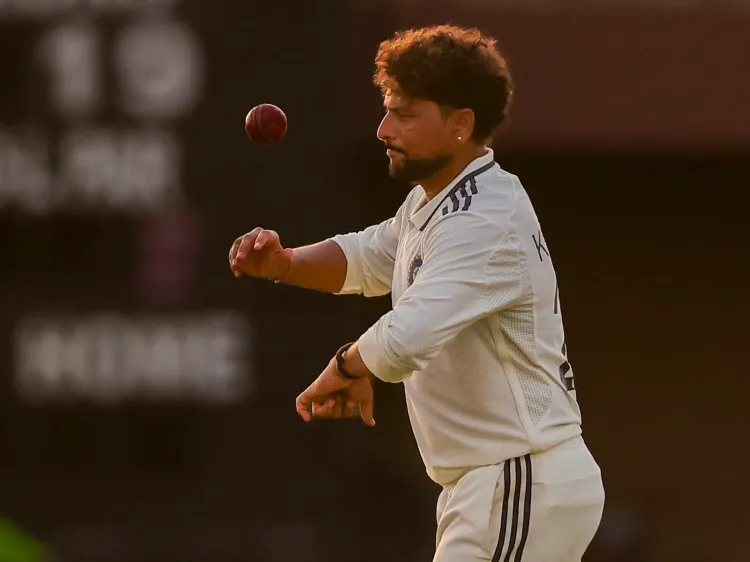
India head coach Gautam Gambhir revealed on 22 August in Colombo that his key message to left-arm wrist-spinner Kuldeep Yadav ahead of the second India vs Sri Lanka Test is straightforward: focus on executing quality spells rather than chasing wickets desperately. The disclosure came at the pre-match press conference as India fine-tune their bowling combination for the Test beginning Sunday at the P Sara Oval.
Gambhir's message to Kuldeep
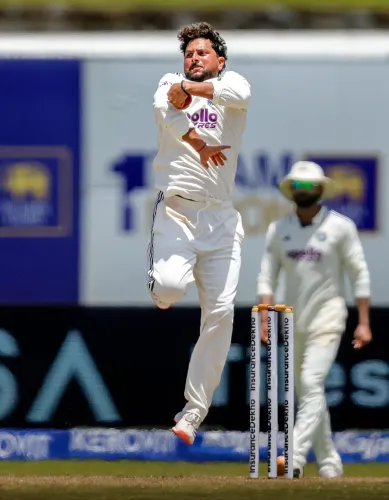
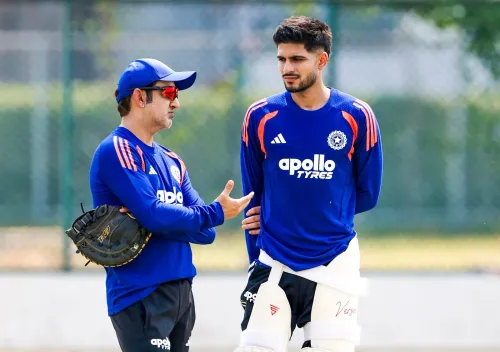
Kuldeep claimed just one wicket in the series-opening 165-run win in Galle, sparking debate over his place in the XI for the second match. Gambhir, however, was measured in his assessment. 'The conversation that I have had with Kuldeep is just try and bowl your good spell rather than looking desperate to take wickets because sometimes, as a wrist spinner, when you are looking and you are desperate to take wickets, I think your control can go away as well,' the coach said.
Gambhir was quick to underline the team's confidence in the spinner. 'For a very long period of time, we rate Kuldeep very highly and we know how successful and how threatening he can be in every condition given to him,' he added. The comments suggest Kuldeep remains in contention despite his modest Galle return, though uncapped off-spin all-rounder Saransh Jain is also available if the management opts for more variety.
The 20-wicket philosophy
Gambhir articulated the team's selection logic around a simple principle: pick the attack best equipped to take 20 wickets. 'You can score 1,000 runs in Test cricket, but there is no guarantee that you are going to win a Test match. But if you get 20 wickets, you have all the probability and possibility of winning,' he said. The coach stressed that the captain's read of conditions — pace, turn, surface behaviour — would ultimately determine who plays, not individual wicket tallies.
Gambhir also defended the philosophy of fielding five specialist bowlers, noting it allows better rotation and prevents seamers from being overworked. 'When you have five proper bowlers, you can better rotate your bowlers. If your fifth bowler is a part-timer, you won't be able to rotate your seamers a lot,' he explained. The Galle Test, he pointed out, validated this approach — a fifth bowling option contributed even when Kuldeep's own workload was limited.
Galle lessons and what to expect in Colombo
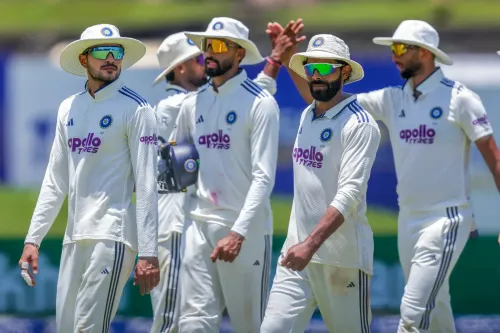
Reflecting on the Galle Test, Gambhir praised the surface for rewarding hard work across all five days. 'I thought it was a very good Test match wicket. It had something for everyone — spin for the spinners, batters could bat even on day five, and if you bent your back, there was something for the seamers as well,' he said. India batted for roughly four-and-a-half sessions in the first innings, built partnerships, and posted a total large enough to control the match — a template Gambhir wants replicated in Colombo.
He cautioned, however, against complacency on a potentially flat surface. 'If it's flat, the bowlers will have to work extra hard. If you bat first and score 700 runs but don't take 20 wickets, it's a draw,' he noted, reinforcing why bowling depth is non-negotiable in his set-up.
Padikkal, Suthar and India's red-ball depth
Gambhir also highlighted the emergence of Devdutt Padikkal and Manav Suthar as evidence of a growing red-ball pipeline. Padikkal, who waited for his opportunity while Sai Sudharsan held the number-three slot, made the most of his chance when it arrived. Suthar impressed on debut against Afghanistan. 'These guys are young and, if they continue to put their head down and keep working hard, will take Indian cricket forward,' Gambhir said.
The coach was explicit that neither player would be judged on one or two performances. 'Judging players by only one or two Test matches is not going to be fair. We want to give them a longer rope,' he said, signalling a more patient selection philosophy under his tenure.
On Jaiswal's cut shot
Asked about opener Yashasvi Jaiswal's tendency to fall while playing the cut shot, Gambhir dismissed the idea of restricting the stroke. 'Don't curb the shot. Just get better at it. If I start telling players to curb everything and start talking about dismissals, how will they score runs?' he said. His approach, he explained, is to encourage refinement over restriction — a coaching ethos he applied broadly: 'If someone gets out pulling, rather than telling him not to pull, I would rather tell him to get better at it.'
With the second Test set to begin on Sunday, all eyes will be on India's final XI — and whether Kuldeep gets the nod to translate Gambhir's measured confidence into match-winning spells.
Point of View
He creates competitive pressure without public demotion. The 20-wicket doctrine is sound, but the real question is whether India's spin combination in Colombo can be threatening enough to dismiss a Sri Lanka side that will be far more prepared for Galle's conditions. Kuldeep's single wicket in the opener was a red flag, and a repeat in familiar subcontinent conditions would make the selection debate harder to manage quietly. Gambhir's patience with young players is commendable, but the second Test is also where India must prove the Galle win was a blueprint, not a one-off.
NationPress
22 Aug 2026
Frequently Asked Questions
What did Gautam Gambhir say about Kuldeep Yadav ahead of the 2nd Test?
Gambhir said his advice to Kuldeep has been to focus on bowling quality spells rather than looking desperate to take wickets, noting that a wrist-spinner's control can suffer when he chases wickets too eagerly. He also reaffirmed that India rate Kuldeep highly and see him as a threatening bowler across conditions.
How did Kuldeep Yadav perform in the first Test against Sri Lanka?
Kuldeep took just one wicket in the first Test in Galle, which India won by 165 runs. His limited wicket return sparked debate about his place in the XI for the second Test in Colombo.
Who is Saransh Jain and why is he in contention?
Saransh Jain is an uncapped off-spin bowling all-rounder who is available as an option for the second Test if India want more variety in their bowling attack. His inclusion would give the team an additional spin option alongside their existing combination.
Why does Gambhir insist on five specialist bowlers in Test cricket?
Gambhir believes five specialist bowlers allow better rotation, reduce the burden on seamers, and ensure that every bowling option is a genuine wicket-taking threat rather than a defensive filler. He cited the Galle Test as proof, where a fifth bowler contributed even when Kuldeep's workload was restricted.
What did Gambhir say about Yashasvi Jaiswal's cut shot?
Gambhir said he would not ask Jaiswal to stop playing the cut shot, instead urging him to refine and improve it. He applied the same philosophy broadly, saying he prefers to help players get better at their natural shots rather than suppress them.