Lord's pitch under ICC review after 40 wickets fall in England-New Zealand Test
Synopsis
Forty wickets in 166 overs, 24 dismissals bowled or lbw, and a match done inside four days — Lord's has a pitch problem it can no longer quietly absorb. With the ICC review live and a demerit point on the table, even the winning captain is asking whether conditions this extreme are good for Test cricket's future.
Key Takeaways
MCC chief executive Rob Lawson admitted the Lord's pitch showed 'more variable bounce than we would have wanted' in the England vs New Zealand opening Test.
40 wickets fell in just 166 overs , with 24 dismissals coming bowled or leg-before wicket.
England won by 115 runs , but the match ended inside four days ; 16 wickets fell on day one alone.
Match referee Andy Pycroft is reviewing the pitch under ICC monitoring; the MCC could receive a demerit point if the surface is rated 'unsatisfactory'.
England captain Ben Stokes warned that extreme pitch conditions 'are not going to help the game in the future'.
Former England captain Nasser Hussain called the surface 'substandard'; former New Zealand bowler Simon Doull suggested matches could be moved away from Lord's.
The Marylebone Cricket Club (MCC) has admitted it was 'naturally frustrated' by the Lord's pitch used in the opening Test between England and New Zealand, after 40 wickets fell in just 166 overs and concerns over excessive seam movement and variable bounce dominated the four-day contest. England won the match by 115 runs, but the playing surface drew widespread criticism from players, commentators, and officials alike.
MCC Acknowledges Pitch Shortcomings
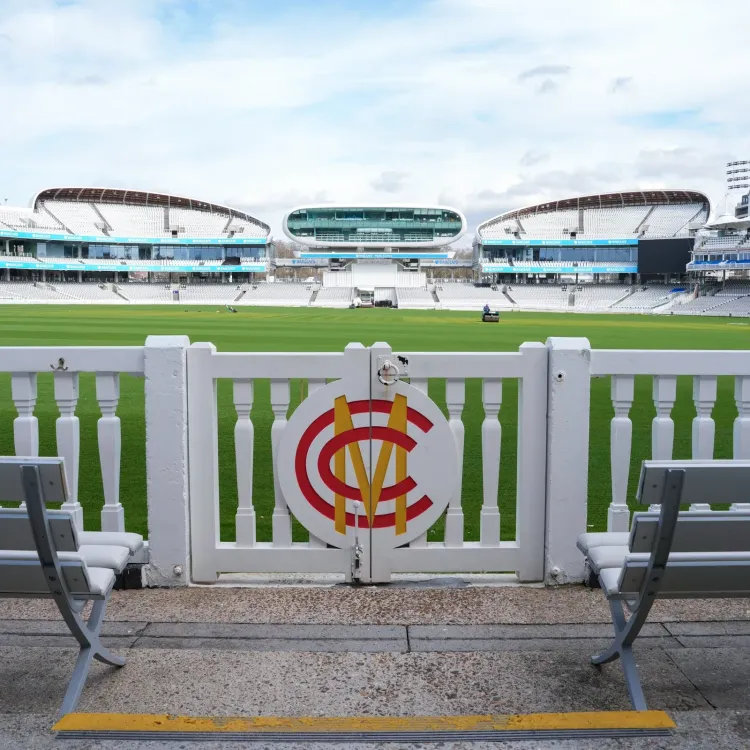
MCC chief executive Rob Lawson issued a statement after the Test, conceding that the surface had failed to meet the club's own standards despite significant off-season investment. 'We recognize that the pitch for this Test has shown more variable bounce than we would have wanted,' Lawson said. 'We hold ourselves to the highest standards and are naturally frustrated when a surface falls short of those expectations.'
Lord's officials had carried out extensive work on the square during the off-season, including relaying the outfield and introducing a steaming process designed to improve soil conditions beneath the pitches. Lawson, however, pointed to difficult pre-match weather as a compounding factor, noting that unusually hot conditions in May, followed by rain immediately before the Test, created 'a number of challenges' for head groundsman Karl McDermott and his team. 'However, we fully recognize the need to act quickly,' Lawson added.
ICC Review and Potential Demerit Point
The International Cricket Council (ICC) is set to review the pitch under its standard monitoring process. Match referee Andy Pycroft will determine whether the surface provided a fair contest between bat and ball. If the pitch is rated 'unsatisfactory', the MCC could receive a demerit point — a sanction that carries reputational and logistical consequences for one of cricket's most storied venues.
The numbers underline the severity of the concern: 24 of the 40 dismissals across the match came either bowled or leg-before wicket, a statistical signal that batters consistently struggled to read length and pace off the surface. On day one alone, 16 wickets fell — a rate rarely seen in a Lord's Test.
Stokes Questions Impact on Test Cricket's Future
England captain Ben Stokes, despite leading his side to victory, raised broader concerns about what extreme pitch conditions mean for the long-term health of the format. 'I get asked questions all the time about the longevity of this format,' Stokes said. 'The game is played over five days. Without the weather, it wouldn't have finished on day four. As someone who believes Test cricket should never disappear, that [early finish] is not ideal.'
Stokes acknowledged that adapting to challenging conditions is an inherent part of Test cricket, but drew a distinction between difficult and unpredictable. 'From a playing point of view, it's great to be challenged. But I get asked all the time about what needs to happen to save Test cricket. When you see extreme conditions like that, it's not going to help the game in the future,' he said, also noting that conditions at The Oval in the following Test could be entirely different.
New Zealand's Perspective
New Zealand captain Tom Latham declined to attribute his side's defeat solely to the pitch, instead pointing to missed chances in the field and England's superior exploitation of conditions. Yet he agreed that the surface played a decisive role in the match ending inside four days. 'It's obviously a great week here at Lord's, and for it to play out like that is unfortunate,' Latham said.
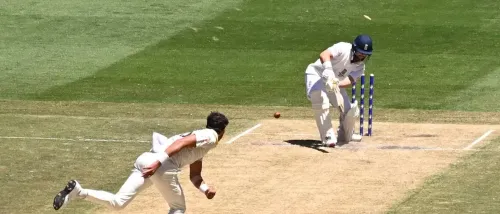
Latham highlighted the dismissal of Jacob Bethell in England's second innings — a good-length delivery from Matt Henry that barely rose before hitting the stumps — as emblematic of the unpredictability batters faced throughout. 'We saw a lot of guys getting hit on the gloves today, which shows that there's not necessarily trust in the surface,' he said. 'Throughout the whole Test match, the dismissals were either bowled or lbw, which shows that guys are being caught on the crease. That's just the nature of not being able to trust a surface when balls do keep low.'
Wider Criticism and What Comes Next
The debate intensified during the match when former England captain Nasser Hussain publicly labelled the pitch 'substandard'. Former New Zealand fast bowler Simon Doull went further, suggesting authorities should consider relocating matches away from Lord's if surface conditions do not improve.
With the ICC review now underway, the MCC's response — and whether structural changes to pitch preparation follow — will be closely watched ahead of the remainder of the series and future Tests at the ground.
Point of View
But cathedrals can have crumbling foundations. The MCC's admission of frustration is notable precisely because it is rare — the club does not concede shortcomings lightly. What is striking is that even the winning captain framed the conditions as a threat to the format, not a triumph of skill. The deeper issue is structural: if a venue of Lord's standing, with off-season investment and professional groundsmanship, still produces a surface where 24 of 40 wickets are bowled or lbw, the problem may lie in soil science and drainage infrastructure rather than groundsman error alone. A demerit point would sting, but the real accountability test is whether the MCC commissions an independent pitch audit — and publishes it.
NationPress
21 Sept 2026
Frequently Asked Questions
Why is the Lord's pitch under ICC review?
The Lord's pitch is under ICC review because 40 wickets fell in just 166 overs during the opening Test between England and New Zealand, with excessive variable bounce and low deliveries drawing widespread criticism. Match referee Andy Pycroft will assess whether the surface provided a fair contest; if rated 'unsatisfactory', the MCC could receive a demerit point.
What did MCC chief executive Rob Lawson say about the pitch?
Lawson admitted the pitch showed 'more variable bounce than we would have wanted' and said the MCC was 'naturally frustrated' when a surface falls short of its standards. He attributed part of the problem to unusually hot weather in May followed by rain before the match, which created challenges for head groundsman Karl McDermott.
What did Ben Stokes say about the Lord's pitch conditions?
England captain Ben Stokes said an early finish — the match ended on day four — was 'not ideal' for a format played over five days, and warned that extreme conditions 'are not going to help the game in the future'. He stopped short of criticising the groundsmanship but linked very difficult batting surfaces to concerns about Test cricket's long-term appeal.
How did New Zealand captain Tom Latham respond to the pitch criticism?
Latham declined to blame the pitch for New Zealand's 115-run defeat, instead citing missed fielding chances and England's effective use of conditions. However, he agreed the surface was unpredictable, pointing to Jacob Bethell's dismissal — where a good-length ball barely bounced before hitting the stumps — as evidence that batters could not trust the pitch.
What happens if Lord's receives an ICC demerit point?
If match referee Andy Pycroft rates the pitch 'unsatisfactory', the MCC will receive a demerit point under the ICC's venue monitoring process. Accumulating demerit points can affect a ground's eligibility to host future international matches, making the review outcome significant for Lord's status as a premier Test venue.