PM Modi on 2036 Olympics: India misses half the sports, must fix it
Synopsis
Modi's Khelo India address wasn't a pep talk — it was an admission. India didn't compete in more than 20 Olympic sports as recently as 2012, and the gap has cost the country medals it never even had a chance to win. The 2036 push is now explicitly about breadth, not just depth — and a talent hunt targeting children as young as five is the opening move.
Key Takeaways
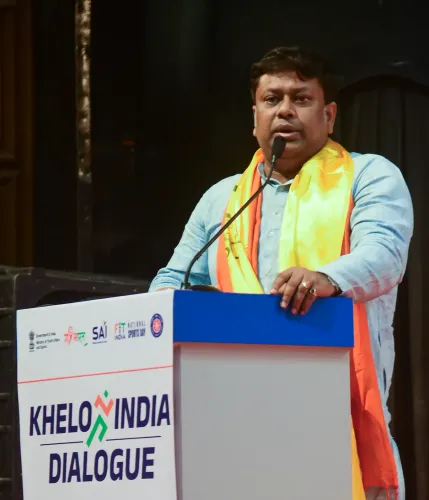
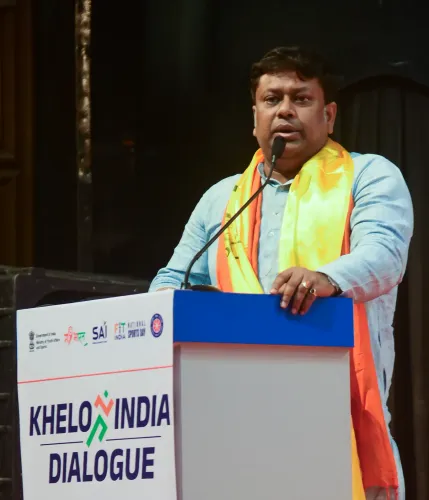
PM Modi addressed youngsters at the Khelo India Dialogue on 27 August , calling for wider Olympic participation.
India competed in only 13 sports at the 2012 Olympics , skipping more than 20 disciplines entirely.
Modi cited surfing and sports climbing as areas where India's coastline and mountain terrain offer untapped potential.
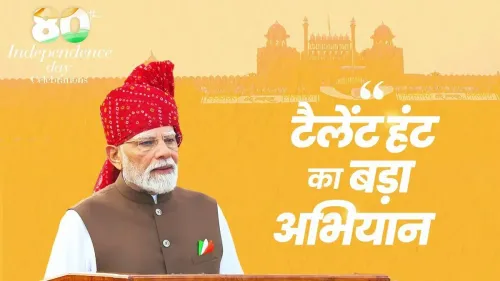
A nationwide talent identification drive targeting children aged 5 to 15 , announced from the Red Fort on Independence Day , is the centrepiece of the plan.
The government's stated focus for 2036 is building an athlete pipeline across disciplines, not infrastructure alone.
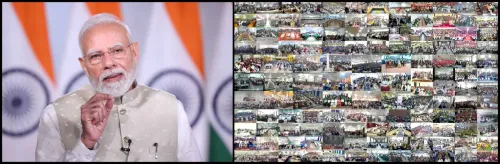
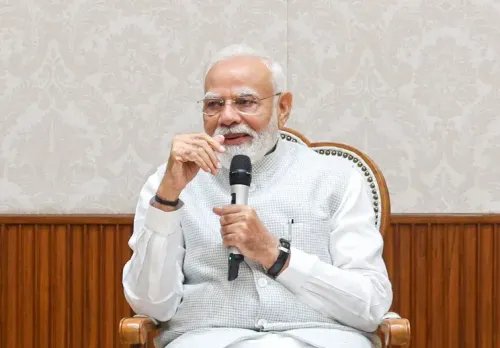
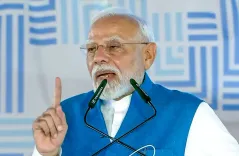
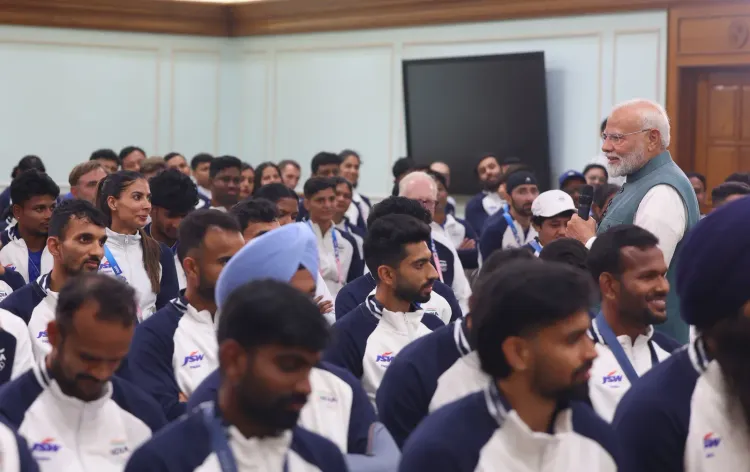
Prime Minister Narendra Modi on Thursday, 27 August called on India to dramatically widen its Olympic footprint, warning that the country currently does not compete in half the sports on the Olympic programme — a gap that directly costs India medals. Speaking virtually to youngsters at the Khelo India Dialogue in New Delhi, Modi framed expanding participation as the central challenge in India's road to the 2036 Olympics.
The Participation Gap India Cannot Ignore
'The bitter truth is that India's teams don't participate in half of the sports that are a part of the Olympics,' Modi said. He pointed to the 2012 Olympics as a stark illustration: India competed in only 13 sports, leaving more than 20 disciplines entirely uncontested. 'We do not compete for a very large part of the medal tally. And this has been the situation for a long time now,' he added.
The implication is significant — every sport India skips is a sport where no Indian medal is mathematically possible, regardless of global performance in events where the country does participate.
Geography as an Untapped Sporting Asset
Modi specifically cited surfing and sports climbing as disciplines where India's diverse geography offers a natural competitive foundation. 'We have such a long coastline and such a large mountainous region, where such sports can have a natural appeal,' he said, arguing that India's demographics across water and winter sports remain almost entirely unexploited at the international level.
He called for individual districts to build sport-specific ecosystems tailored to their terrain and local talent pool, describing this decentralised model as essential for scaling grassroots development.
The Talent Hunt: Ages 5 to 15
At the core of Modi's announcement — first made from the Red Fort on Independence Day — is a nationwide talent identification drive targeting children between 5 and 15 years of age. The initiative goes beyond matching children with sports they enjoy, aiming instead to identify which discipline best suits each child's physical and athletic profile. 'We also have to determine which child is suited to which sport. We have to train that child accordingly,' Modi said.
This science-backed, aptitude-first approach marks a shift from India's historically interest-led grassroots model, where children self-select into sports rather than being guided by structured assessment.
2036 Olympics: Infrastructure Is Not Enough
Modi made clear that infrastructure investment alone will not deliver results in 2036. 'Our focus should be on developing players who will qualify and compete in different sports,' he said, signalling that athlete pipeline depth — not just venues and facilities — is the government's stated priority. He assured participants at the Khelo India Dialogue that the government would provide full support to young athletes pursuing sporting careers.
With India having formally expressed interest in hosting the 2036 Summer Olympics, the pressure to present a credible sporting programme — and not just logistical capacity — will only intensify in the years ahead.
Point of View
Sports climbing, or winter disciplines requires decades of ecosystem development, not one talent hunt cycle. The 2036 deadline is tight, and the children identified today in a five-to-fifteen age band would need to peak at exactly the right moment. What is missing from the vision is a credible accountability structure: who tracks these athletes, who funds their progression past grassroots, and what happens when district ecosystems remain underfunded despite the rhetoric.
NationPress
11 Oct 2026
Frequently Asked Questions
What did PM Modi say about India's Olympic participation at the Khelo India Dialogue?
Modi said India does not compete in half of the sports on the Olympic programme, directly limiting the country's medal tally. He cited the 2012 Olympics, where India participated in only 13 sports and skipped more than 20 disciplines, calling it a longstanding and unresolved challenge.
What is the talent hunt PM Modi announced for young athletes?
Modi announced a nationwide talent identification drive targeting children between 5 and 15 years of age, first revealed from the Red Fort on Independence Day. The drive aims to match children not just with sports they enjoy but with disciplines that suit their physical aptitude, followed by structured training.
Which new sports did PM Modi highlight for India to develop?
Modi specifically mentioned surfing and sports climbing as disciplines where India's geography — its long coastline and extensive mountainous terrain — provides a natural foundation for building competitive athletes. He also broadly referenced water and winter sports as areas where India is 'hardly seen anywhere in the world.'
How does this connect to India's 2036 Olympics preparations?
Modi framed the entire initiative as part of India's preparations for the 2036 Summer Olympics, stressing that the focus must go beyond infrastructure to developing athletes who can actually qualify and compete across a wider range of disciplines. India has formally expressed interest in hosting the 2036 Games.
What role will districts play in India's expanded sports push?
Modi called for individual districts to develop sport-specific ecosystems suited to their local geography and talent pool. He described this decentralised model as essential for scaling grassroots development and ensuring that different disciplines find natural homes across the country.