CJP slams Delhi protest crackdown, alleges border troops airlifted to capital
Synopsis
The CJP claims Delhi has been turned into a military cantonment, with up to 40,000 troops allegedly airlifted from border and Maoist-affected zones to suppress protests over the Chief Election Commissioner. With the Supreme Court now ordering free movement and metro services, the standoff between protesters, police, and the judiciary is rapidly escalating.
Key Takeaways
CJP co-convener Saurav Das alleged between 30,000 and 40,000 security personnel have been deployed in New Delhi to curb protests.
Troops reportedly airlifted from Naxal-affected areas , Bengal , Kashmir , and BSF border posts , according to CJP claims.
The protests centre on a demand for CEC Gyanesh Kumar’s resignation over alleged irregularities in the Special Intensive Revision (SIR) of electoral rolls.
Metro station closures , train suspensions, and shop shutdowns are reportedly affecting ordinary Delhi residents.
The Supreme Court directed authorities to restore normal metro, railway, internet, and free movement services in the capital.
CJP’s Ratna Singh welcomed the court order but questioned whether Delhi Police would implement it.
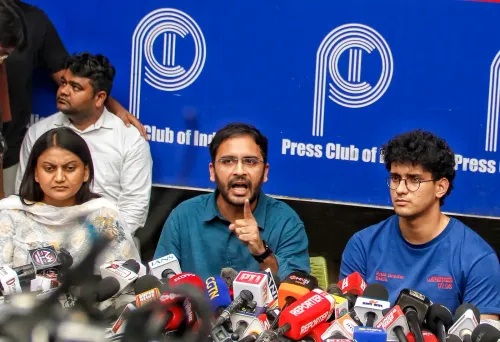
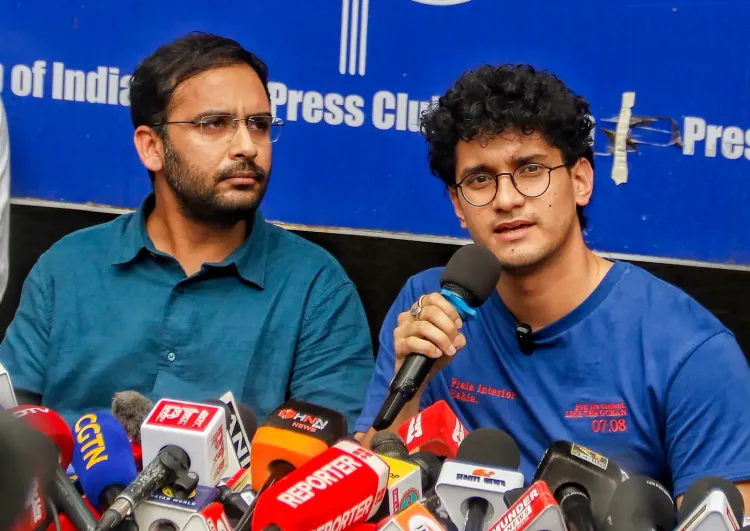
The Citizens for Justice and Peace (CJP) on Sunday, 11 October 2026 alleged that security personnel from border areas and Maoist-affected regions had been airlifted to New Delhi to enforce restrictions on protesters demanding the resignation of Chief Election Commissioner (CEC) Gyanesh Kumar over alleged irregularities in the Special Intensive Revision (SIR) of electoral rolls. The claims came hours after senior CJP leaders were released by a Delhi court following preventive arrests.
Key Allegations at the Press Conference
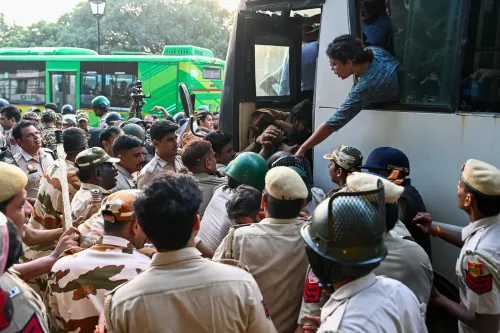
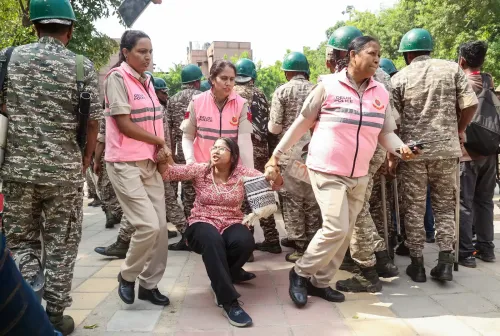
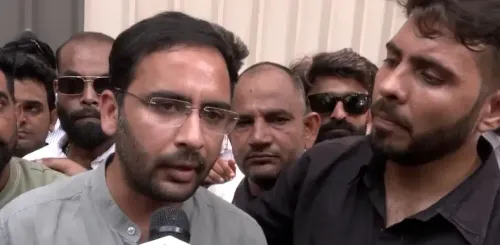
CJP co-convener Saurav Das, addressing reporters after his release, alleged that between 30,000 and 40,000 security personnel had been deployed across the capital. “The entire city of Delhi has been turned into a cantonment for the last few days,” he said. According to Das, troops from Naxal-affected areas, Bengal, and Kashmir, including Border Security Force (BSF) personnel, were among those reportedly airlifted to the city.
Das further alleged that Delhi Police had not issued formal detention notices to those held, and that phones were seized. “Our phones were seized and might have been hacked to plant evidence,” he claimed, without providing supporting documentation.
Impact on Ordinary Citizens
The CJP leadership argued that the scale of the security deployment was not merely targeting protesters but was disrupting daily life across Delhi. Das cited the closure of metro stations, suspension of train services from other states, and the shutting of shops as measures affecting citizens with no connection to the protest movement. “What purpose does shutting shops serve?” he asked, alleging the government was attempting to create a negative public perception of the agitation.
Notably, Sunday is typically a high-footfall day for retail, making the shop closures particularly disruptive to traders and residents, Das added.
Supreme Court Order and Its Implementation
CJP’s legal affairs head Ratna Singh welcomed a Supreme Court directive that ordered authorities to ensure normal functioning of metro and railway services, uninterrupted internet connectivity, and free movement of people in the capital. However, she stopped short of expressing confidence that the orders would be carried out. “Whatever the court has said today is a positive step, but we will have to see whether the orders are implemented,” she said.
Singh alleged that detainees were being physically assaulted and had their phones confiscated, and said Delhi Police appeared unwilling to change course regardless of judicial directions.
The Central Demand: CEC’s Resignation
At the heart of the protest is the CJP’s demand for the resignation of Chief Election Commissioner Gyanesh Kumar over what the organisation describes as irregularities in the SIR of electoral rolls. Das escalated the rhetoric on Sunday, asking: “Why are you saving Gyanesh Kumar? Does he know something about the 2024 elections, or how polls have been conducted in BJP-ruled states?”
Das asserted that the CJP would not withdraw from the agitation, and appealed to citizens across the country to join the protests. The government has not publicly responded to the specific allegations made at the press conference.
What to Watch Next
With the Supreme Court now in the picture and the CJP vowing to continue its campaign, attention will turn to whether the court’s directives on mobility and connectivity are enforced by Delhi Police. The broader political fallout — particularly over the SIR process and the role of the Election Commission — is likely to intensify in the days ahead.
Point of View
Suggesting the judiciary sees a constitutional dimension the executive has underweighted. The central question being sidestepped in the noise is whether the SIR process itself was procedurally sound — an issue that will outlast the protest and could affect the credibility of future electoral rolls. The government’s silence on the substantive allegations against the CEC, as opposed to the optics of the protest, is itself a political signal.
NationPress
11 Oct 2026
Frequently Asked Questions
Why is the CJP protesting in Delhi?
The Citizens for Justice and Peace (CJP) is demanding the resignation of Chief Election Commissioner Gyanesh Kumar over alleged irregularities in the Special Intensive Revision (SIR) of electoral rolls. The organisation argues the SIR process was flawed and raises concerns about the integrity of voter registration data.
What did CJP allege about the security deployment in Delhi?
CJP co-convener Saurav Das alleged that between 30,000 and 40,000 security personnel, including BSF troops from border areas and forces from Naxal-affected regions, Bengal, and Kashmir, were airlifted to Delhi to enforce restrictions. These are the organisation’s claims and have not been independently verified or confirmed by authorities.
What did the Supreme Court order regarding the Delhi restrictions?
The Supreme Court directed authorities to ensure the normal functioning of metro and railway services, uninterrupted internet connectivity, and free movement of people in New Delhi. CJP’s legal head Ratna Singh welcomed the order but expressed doubt over whether Delhi Police would implement it.
Were CJP leaders arrested during the protests?
Yes, CJP co-convener Saurav Das and other leaders were held on preventive arrest before being released by a Delhi court on Sunday, 11 October 2026. Das alleged that Delhi Police did not issue formal detention notices and that activists’ phones were seized and possibly compromised.
What is the Special Intensive Revision (SIR) of electoral rolls?
The Special Intensive Revision (SIR) is a process conducted by the Election Commission of India to update and correct voter rolls by adding eligible voters and removing ineligible entries. The CJP alleges that the SIR was carried out with procedural irregularities under CEC Gyanesh Kumar’s watch, though the Election Commission has not publicly accepted these allegations.