Muzumdar seeks 18 months to rebuild India women's inexperienced bowling attack
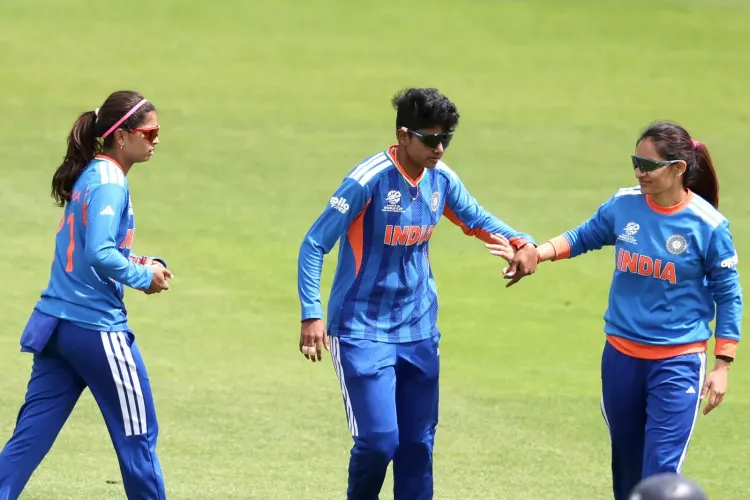
Synopsis
India women’s head coach Amol Muzumdar didn’t sugarcoat it after the T20 World Cup exit — the bowling unit is inexperienced, the fielding let the team down, and he needs 18 months to fix it. His refusal to pivot to containment cricket, even after a tournament loss, signals a clear philosophical stance. The real question is whether the board gives him the runway.
Key Takeaways
Amol Muzumdar asked for 18 months to develop India women’s bowling attack after the team’s Women’s T20 World Cup exit.
He described the bowling unit as “very inexperienced” at the international level.
Muzumdar confirmed India will not shift to a containment bowling philosophy — wicket-taking remains the priority.
Shreyanka Patil’s absence for half the tournament was cited as a major setback, especially against Australia .
The retire-out of Jemimah Rodrigues was a tactical call based on her inability to penetrate the field in the final two overs.
Muzumdar flagged bowling , fielding , and batting aggression as the three areas requiring immediate improvement.
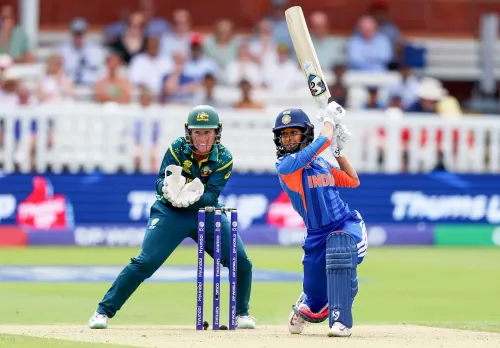
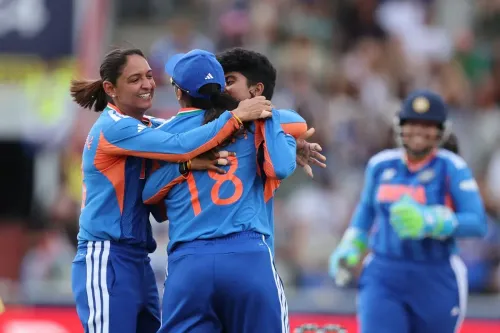
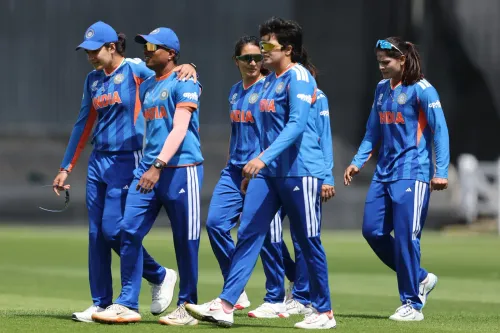
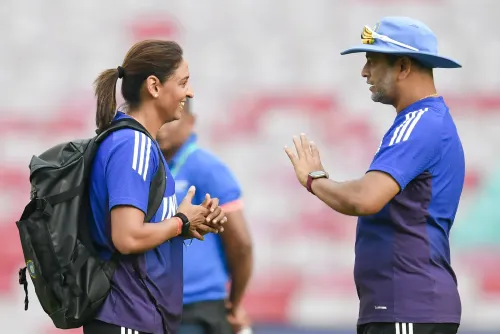
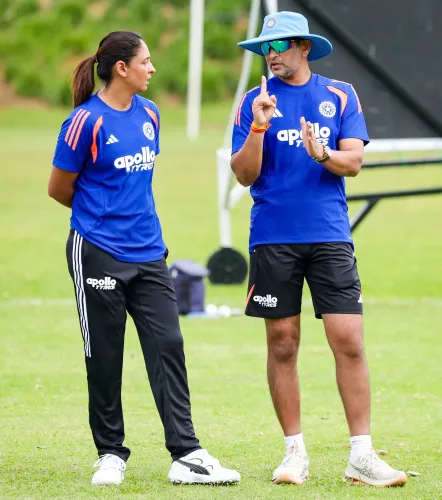
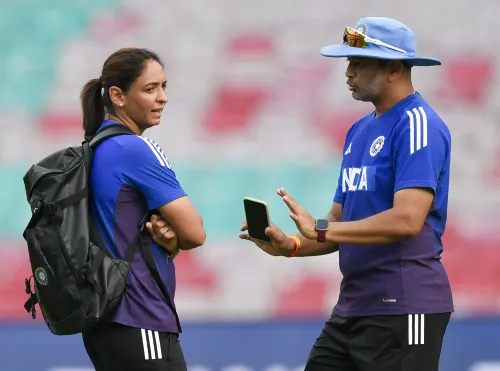
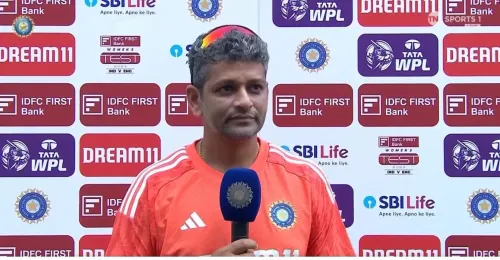
India women's head coach Amol Muzumdar on 29 June called for an 18-month window to transform the team's bowling unit into a genuine attacking force, acknowledging that the Women in Blue's pace and spin options remain critically short on international experience following the side's exit from the Women's T20 World Cup in London. The admission came at a post-match press conference after India fell short against Australia, ending what Muzumdar himself described as a disappointing campaign.
The Bowling Problem
Muzumdar was candid about the unit's limitations, though he framed them as a developmental challenge rather than a structural crisis. “If you look at our bowling attack, it’s been very inexperienced as far as international cricket is concerned. So I’ve said this before in the previous press conference: give us 18 months and this attack will be a different one,” he told reporters.
Crucially, he insisted that the team’s bowling philosophy would not shift toward containment. “We always talk in our meetings about picking up wickets. Whatever be the format of the game – whether it is T20, 50-over, or Test match cricket – it is all about picking up wickets when you’re on the field. Containment is never a line that we use,” Muzumdar said. He added that the wicket-taking mindset “will be the mode of operation going forward as well.”
The Australia Defeat: What Went Wrong
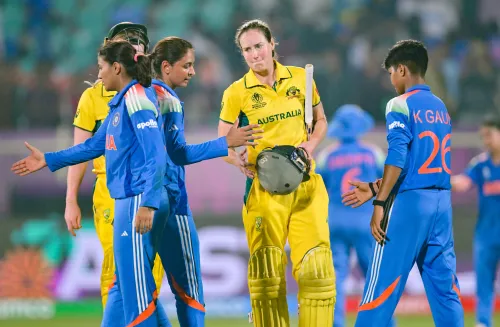
Assessing the loss to Australia, Muzumdar believed India had posted a competitive total on the day but conceded the opposition was simply the better side. “I thought it was a good score, a par score on this pitch. We even got the momentum towards the end of that innings, and I think we carried it on the field as well. It’s just that I think at the end of the day, Australia were a better side than us,” he said.
He acknowledged the Powerplay did not go India’s way and that an additional 10–15 runs at that stage could have altered the contest. However, he noted that India had not lost a wicket in that phase and were in control before Australia chased the target down efficiently, themselves three wickets down at the midpoint.
Jemimah Rodrigues Retire-Out and the Shreyanka Patil Absence
Muzumdar shed light on the decision to retire out Jemimah Rodrigues late in the innings, saying the call was purely situational. “I thought Jemi is a clutch player for us. Jemi and Harman, both of them, were going really strong. In the last two overs, I felt that Jemi couldn’t penetrate that field, and that’s why that call was taken,” he explained.
He also pointed to the absence of all-rounder Shreyanka Patil — who missed half the tournament — as a significant blow, particularly on a pitch that would have suited her skillset. “Shreyanka was probably one of our strikers. So it didn’t help her missing out on half of the tournament. We really missed her in this game today. I think she would have made a difference on that pitch and on this ground,” he said.
Batting Intent and the Broader Blueprint
Muzumdar pushed back on suggestions that India’s batters lacked aggression, maintaining the side had embraced a positive approach throughout the tournament. “We have been batting with a lot of intent. We have been positive in our thinking. We have been thinking about fours and sixes, as modern-day T20 cricket is all about fours and sixes,” he said. However, he conceded that bowling and fielding had let the team down: “I don’t think our bowling or our fielding helped the cause, to be very honest.”
Looking ahead, Muzumdar called for a thorough reassessment of India’s T20 combination and match-day approach. He identified bowling, fielding, and batting aggression as the three primary areas needing immediate attention, noting that an extra 15–20 runs as a cushion could have changed the complexion of the Australia game. The next 18 months, he suggested, will be critical in shaping whether this team can compete consistently at the highest level.
Point of View
And patience from selectors and fans has limits. The absence of Shreyanka Patil for half the tournament is a planning and fitness management question that goes beyond the coach’s brief. More telling is his admission that fielding — an area of fitness and discipline, not just talent — also let the team down. That is harder to explain away with inexperience.
NationPress
27 Sept 2026
Frequently Asked Questions
What did Amol Muzumdar say about India women’s bowling attack after the T20 World Cup exit?
Muzumdar acknowledged that India’s bowling unit has been “very inexperienced” at the international level and asked for 18 months to develop it into an attacking force. He insisted the team’s philosophy of picking up wickets — rather than containing batters — would not change going forward.
Why was Jemimah Rodrigues retired out during the match against Australia?
Coach Muzumdar explained the decision was purely tactical, saying Rodrigues was unable to penetrate the field in the final two overs of India’s innings. He stressed it was not a reflection on her overall contribution, describing her as a “clutch player” for the team.
How did the absence of Shreyanka Patil affect India at the Women’s T20 World Cup?
Muzumdar said Shreyanka Patil’s absence for half the tournament was a significant setback, particularly in the match against Australia where her skillset would have been well-suited to the pitch and ground conditions. He called her one of India’s “strikers” in the bowling attack.
What areas did Muzumdar identify for improvement after the Women’s T20 World Cup?
Muzumdar pinpointed bowling, fielding, and batting aggression as the three primary areas needing immediate attention. He also noted that India could have scored an additional 15–20 runs against Australia, which might have changed the outcome.
Did India lack batting intent at the Women’s T20 World Cup according to Muzumdar?
Muzumdar rejected that suggestion, maintaining India had batted with positive intent and focused on fours and sixes throughout the tournament. He placed greater blame on the bowling and fielding units for failing to support the batting effort.