NSF Conclave charts India's roadmap for 2026 Asian Games, CWG, 2028 Olympics: Mandaviya
Synopsis
India's sporting establishment convened to chart a decade-long roadmap toward the 2026 Asian Games, Commonwealth Games, and 2028 Olympics. Minister Mandaviya's emphasis on athlete-centric governance, science-backed training, and zero-tolerance doping signals a structural reset — one that positions India to compete on a global stage, not merely participate.
Key Takeaways
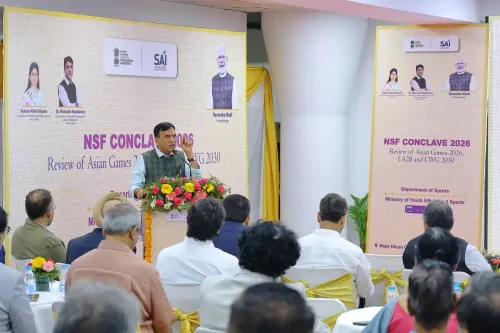
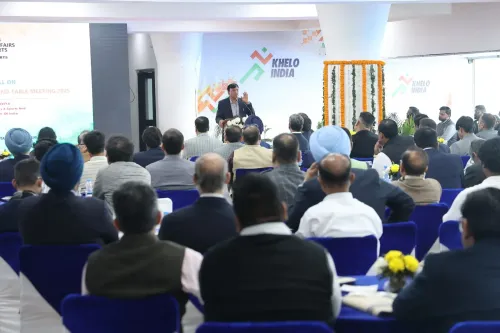
Union Minister Mansukh Mandaviya addressed the National Sports Federation Conclave 2026 on 7 May , bringing together 37 NSFs and the Indian Olympic Association .
The conclave charted India's roadmap toward the 2026 Asian Games , 2026 Commonwealth Games , and 2028 Summer Olympics .
Mandaviya stressed athlete-centric governance, transparency in federation elections, and sustained elite support as pillars of the strategy.
The National Sports Governance Act 2025 Rules and Reform Guidelines Handbook was formally unveiled during the conclave.
Anti-doping enforcement, sports science integration, and infrastructure modernisation were highlighted as critical focus areas.
Initiatives including Khelo India , Fit India Movement , and the upcoming Khelo Bharat Mission are central to the government's grassroots expansion strategy.
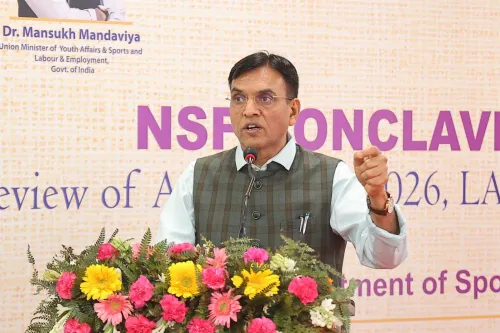
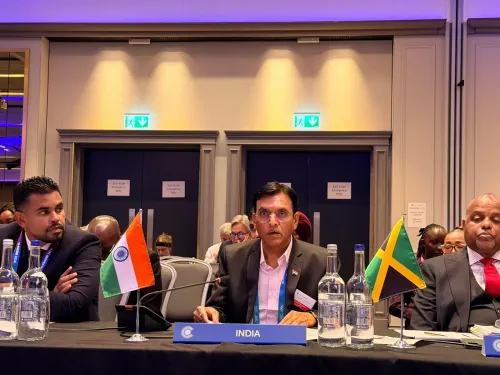
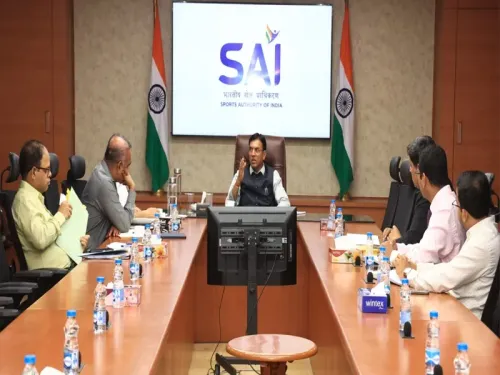
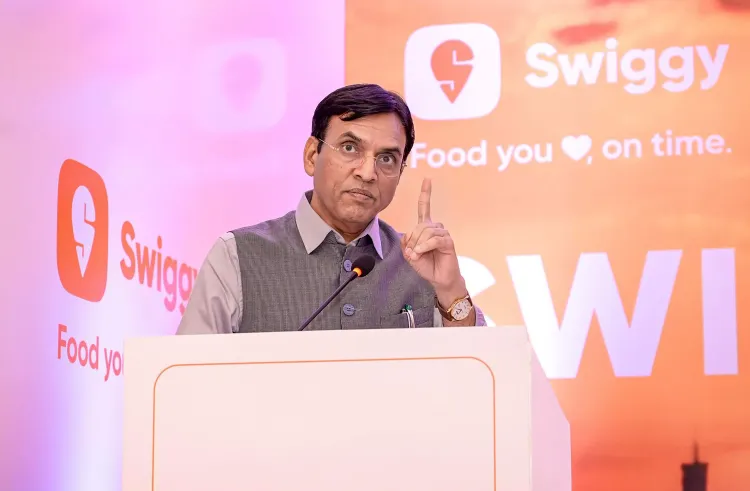
Union Minister for Youth Affairs and Sports Mansukh Mandaviya on Wednesday, 7 May said the National Sports Federation Conclave 2026 is pivotal to India's coordinated push toward major international sporting competitions, beginning with the 2026 Commonwealth Games and Asian Games, and culminating in the 2028 Summer Olympics.
The conclave assembled representatives from 37 National Sports Federations (NSFs), including the Indian Olympic Association, to chart a decade-long sporting strategy centred on scientific training systems, athlete development pipelines, infrastructure modernisation, and sustained elite support. The gathering underscored the Centre's vision of repositioning India as a competitive global sporting power.
Mandaviya's push for coordination and athlete welfare
Addressing the assembly, Mandaviya stressed that India's sporting trajectory hinges on deeper coordination between athletes, federations, and government bodies. "India's sporting future depends on stronger coordination between athletes, federations, and governments," he said, emphasising that athlete welfare and athlete-centric governance must anchor every administrative decision.
He called on federations to embed transparency, accountability, and timely elections into their governance frameworks, signalling the government's intent to overhaul institutional structures across the sports ecosystem.
Anti-doping and clean sport agenda
A major thrust of the conclave was the government's resolve to purge doping from Indian sport. Mandaviya outlined a multi-pronged approach involving awareness campaigns, education programmes, and stricter enforcement mechanisms. "Eradicating doping from the Indian sports ecosystem requires collective responsibility and strict action," he said, urging federations, coaches, and support staff to jointly champion a clean sporting environment.
This comes amid international scrutiny of India's anti-doping record and reflects a bid to strengthen compliance with World Anti-Doping Agency (WADA) standards ahead of the 2028 Olympics.
Science-backed training and infrastructure
Minister of State for Youth Affairs and Sports Raksha Khadse underscored the centrality of sports science and long-term planning in building competitive depth. "India's march towards Asian Games, Commonwealth Games, and Olympics 2028 will be driven by performance, powered by science and anchored in stronger federations," she said.
The conclave highlighted the role of initiatives such as Khelo India, the Fit India Movement, and the upcoming Khelo Bharat Mission in expanding grassroots participation and talent pipelines. Sports Secretary Hari Ranjan Rao noted that strategic planning and stakeholder collaboration are essential. "The nation that dreams big, prepares bigger; today's discussions will shape India's sporting future for 2036," he said.
Governance reforms and the NSG Act 2025
The conclave formally unveiled the National Sports Governance Act 2025 Rules and Reform Guidelines Handbook, signalling institutional overhaul across NSFs. Discussions centred on governance reforms, athlete assessment systems, anti-doping compliance, sports manufacturing ecosystems, international competition exposure, and federation compliance under the NSG Act 2025.
The government also flagged its ambitions to host major global sporting events in the coming decade, positioning India as a destination for world-class sporting infrastructure and talent development.
Point of View
Athlete empowerment, and measurable outcomes at the 2026 and 2028 Games. Without independent audits and athlete representation in governance, this risks becoming another well-intentioned blueprint that gathers dust.
NationPress
22 Sept 2026
Frequently Asked Questions
What is the National Sports Federation Conclave 2026?
It is a gathering of representatives from 37 National Sports Federations and the Indian Olympic Association, convened to chart India's sporting strategy for major international competitions including the 2026 Asian Games, 2026 Commonwealth Games, and 2028 Summer Olympics. The conclave focuses on governance reforms, athlete welfare, anti-doping measures, and science-backed training systems.
Why did Minister Mandaviya emphasise athlete welfare at the conclave?
Mandaviya stressed that athlete-centric governance must be the core of every federation's administrative decisions. He called on federations to ensure transparency, accountability, timely elections, and sustained support for elite athletes — signalling the government's intent to anchor sports administration around athlete interests rather than bureaucratic convenience.
What is the National Sports Governance Act 2025?
The NSG Act 2025 is a legislative framework unveiled during the conclave through its Rules and Reform Guidelines Handbook. It sets governance standards and compliance requirements for National Sports Federations, covering aspects such as institutional transparency, athlete assessment systems, and anti-doping enforcement.
How will India tackle doping ahead of the 2028 Olympics?
The government outlined a multi-pronged approach involving awareness campaigns, education programmes, and stricter enforcement mechanisms. Mandaviya called for collective responsibility from federations, coaches, and support staff to promote a clean sporting environment and strengthen compliance with World Anti-Doping Agency standards.
Which government initiatives support India's sporting roadmap?
Key initiatives include Khelo India, the Fit India Movement, and the upcoming Khelo Bharat Mission. These programmes aim to expand grassroots participation, build talent pipelines, integrate sports science into training, and improve infrastructure across the country.