Paul Fitzgerald Sees Bright Future for India's Para Sports
Synopsis
Paul Fitzgerald, head of World Para Athletics, sees vast opportunities in India's para sports landscape during the World Para Athletics Grand Prix. He emphasizes the importance of investment in infrastructure and athlete development for future success.
Key Takeaways
Investment in para sports is crucial for future growth.
India has the potential to become a global leader in para athletics.
Stories of athletes are vital for engaging the public.
Building a global community in para athletics enhances competition.
Future Grand Prix events are expected to attract more nations and athletes.
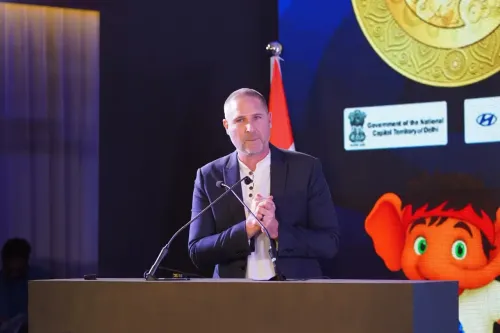
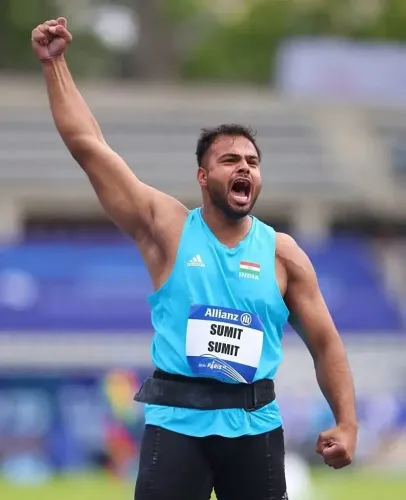
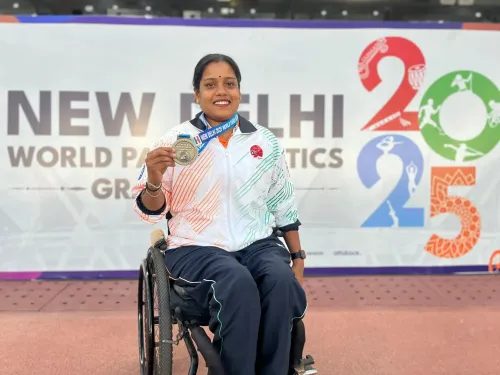
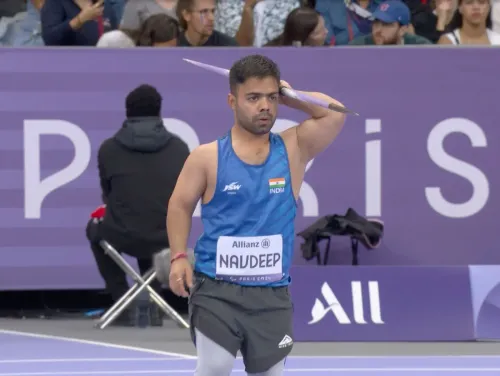
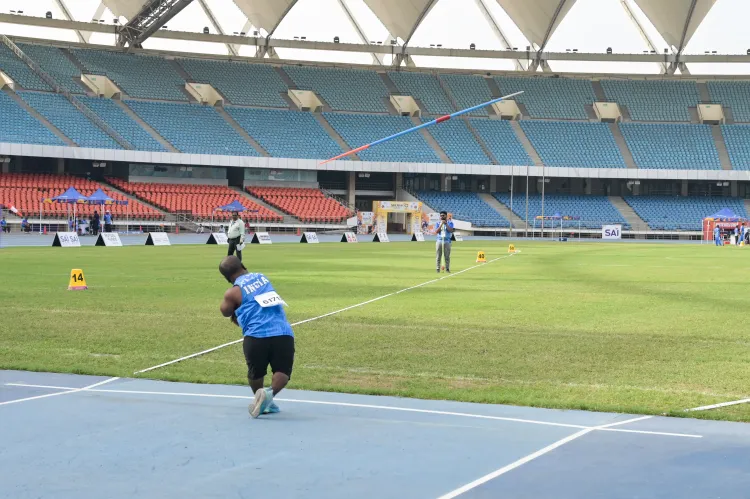
New Delhi, March 12 (NationPress) “I perceive opportunity.” This was the perspective of Paul Fitzgerald, the leader of World Para Athletics, as he discussed the current vibe at the World Para Athletics Grand Prix. He underlined the significant potential he sees in India to influence the future of para sports.
In an interview with IANS at the Jawaharlal Nehru Stadium, Fitzgerald pointed out that the investments being made in infrastructure and events in India are geared not only towards immediate success but also towards nurturing the next generation of athletes.
“The Mondo track is stunning, and the facilities are exceptional; they are designed for accessibility. This type of investment is not solely focused on the present but is also about future growth. While we witness athletes competing and winning medals on these new platforms, we are also inspiring future athletes. Thus, these investments are indeed future-oriented,” Fitzgerald shared with IANS.
India has assembled the largest team at the event, showcasing the swift advancement of para athletics in the nation. Fitzgerald believes that such investments will naturally produce results due to the sport's accessibility and broad appeal.
“Anyone investing in a venture anticipates a return, and that return is already occurring. In the realm of para sports, this is evident because it remains underdeveloped, and para-athletics is integral to the Paralympic movement. There exists vast potential for athletes with various impairments—vision, intellectual, or physical—to engage in this highly inclusive sport,” he explained.
Fitzgerald noted that providing athletes with the right opportunities ultimately paves the way for success.
“When a nation invests in its athletes to enter our sport, they will see outcomes because athletes commit to their training, work diligently, and compete. By offering opportunities, results will follow,” he remarked.
Given the enhanced infrastructure and an expanding athlete base, Fitzgerald envisions India's potential to evolve into a global hub for para sports in the years ahead.
“Why not now? With this level of investment, the expectation is that we will evolve, and as an international federation, we aim to support regions investing in the sport—not just for the present but for future advancements. Thus, there is a genuine possibility for India to further develop and emerge as a leader in para sports,” he stated.
Even though the stadium stands have been somewhat quiet, Fitzgerald believes that raising awareness and sharing compelling narratives will be crucial in attracting more fans to the sport.
“One might view this as emptiness, but I see it as an opportunity. We are in India because we recognize the potential and the ongoing investment, which takes time. Audiences must appreciate the sport and understand the remarkable abilities of these athletes. They need heroes to admire,” he said.
Emphasizing the impact of media and public outreach, Fitzgerald added that sharing athlete stories is vital for the sport's growth.
“Our gradual effort to invest in the sport and provide platforms for media like you to narrate these athletes' stories is essential. This approach will draw more people in, filling the stands where they can witness firsthand the extraordinary talent of these athletes. This can inspire an entirely new generation, creating further commercial opportunities as well,” he expressed.
The Grand Prix has seen participation from athletes representing eight nations: India, Russia, Nepal, Bhutan, Hong Kong, Serbia, Bosnia and Herzegovina, and Egypt, showcasing the event's expanding global footprint.
Fitzgerald noted that such competitions are crucial for fostering a global community in para athletics, enabling athletes to gauge their skills against international competitors.
“Building a global community is vital. Athletes from around the world are converging in New Delhi to compete in para athletics. Establishing this community is essential, as competitors enjoy knowing their rivals and measuring themselves against the best globally,” he stated.
He acknowledged that global circumstances have impacted participation but expressed optimism for the future.
“It's not my place to comment on global politics or conflict zones. However, it is unfortunate because many athletes would love to travel here, and this affects funding and their ability to participate, which is disheartening as we are all about creating opportunities,” he lamented.
Fitzgerald anticipates even greater participation in future editions of the Grand Prix as the sport expands on a global scale.
“I am delighted that we can continue hosting this event and provide opportunities for athletes from India and those able to attend. I expect that when we return for another Grand Prix in 2027, we will be in the Paralympic qualification phase, which will be incredibly thrilling, with more nations competing and raising performance levels,” he concluded.
Point of View
I acknowledge the transformative potential of para sports in India as articulated by Paul Fitzgerald. His insights reflect a growing commitment to inclusivity and investment in athlete development, suggesting a promising future in this domain.
NationPress
26 Sept 2026
Frequently Asked Questions
What is the significance of the World Para Athletics Grand Prix?
The Grand Prix showcases the progress and investment in para athletics, offering athletes an opportunity to compete internationally and elevate the sport's visibility.
How is India contributing to para sports?
India is investing significantly in infrastructure and athlete support, positioning itself to become a global leader in para sports.
Why does Paul Fitzgerald see opportunity in empty stands?
Fitzgerald views empty stands as a chance to grow awareness and engage more fans, emphasizing the need for storytelling around athletes.
What are the challenges faced by para athletics globally?
Global conflicts and funding issues can hinder athlete participation, but there is optimism about the sport's growth and future opportunities.
What can we expect in future editions of the Grand Prix?
Future editions are expected to see increased participation and excitement, especially as they coincide with the Paralympic qualification cycle.