Was Pakistan's U-turn Inevitable Due to Financial Pressures?

Synopsis
Former cricketer Madan Lal critiques Pakistan's decision-making regarding the India-Pakistan fixture at the T20 World Cup, highlighting the financial pressures that led to their U-turn. What does this reveal about their cricketing governance and international relations?
Key Takeaways
Madan Lal critiques Pakistan's decision-making in cricket.
Financial pressures played a significant role in Pakistan's U-turn.
The potential for fines and bans influenced their decision to play against India.
Pakistan's claim of external persuasion is disputed.
Economic conditions in Pakistan impact their cricketing future.
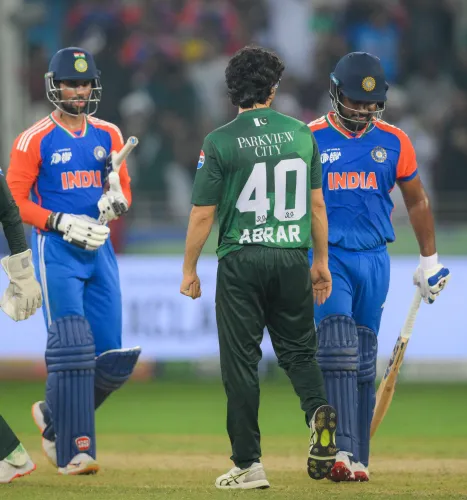
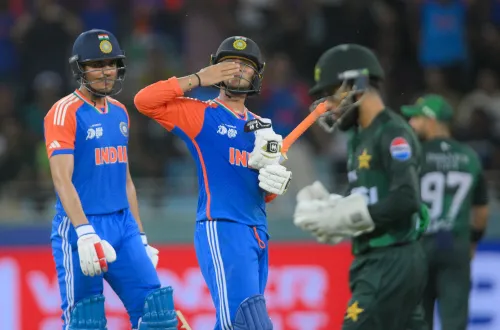
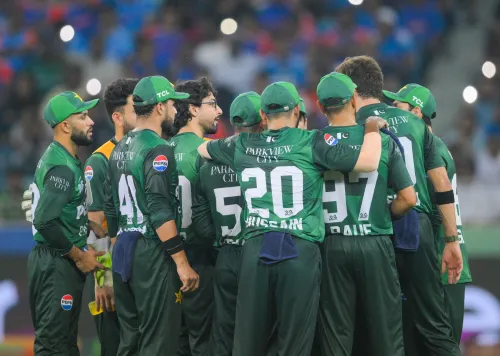
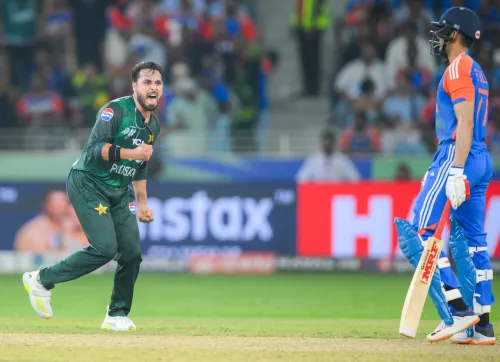
New Delhi, Feb 10 (NationPress) Former Indian cricketer Madan Lal has voiced his concerns regarding Pakistan's management of the India-Pakistan match controversy at the ICC Men’s T20 World Cup. He believes that the country's ultimate choice to participate was inevitable, given the significant financial and administrative pressures they faced.
In response to Pakistan's change of heart after initially signaling they would boycott the match, Madan Lal stated that their decision stemmed from the considerable financial losses they would incur if they adhered to the boycott.
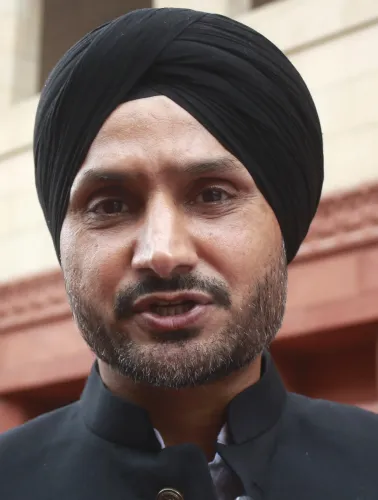
“Pakistan was bound to alter their stance eventually. Not participating would have resulted in immense financial repercussions. They would not only face fines but also risk being barred from cricket by the ICC for several years. Taking all these factors into account, I believe they made a prudent choice by agreeing to compete against India,” Madan Lal told IANS.
Pakistan has claimed that their decision was influenced by other cricket boards, including Bangladesh and Sri Lanka. However, Madan Lal disputed this account, insisting that such a critical decision should have been made independently.
“Now they are claiming that they were persuaded by Bangladesh or Sri Lanka. That is incorrect. A nation should be capable of making its own decisions. They previously decided against playing and have now reversed it—understandable, but attributing it to external influence is unacceptable,” he added.
The former all-rounder raised concerns about the underlying issues tied to the ICC and the Board of Control for Cricket in India (BCCI), questioning Pakistan's internal decision-making processes.
“The conditions they proposed were not accepted by the ICC; they depend on the BCCI regarding whether they play or not. I have mentioned this before: there seems to be no one in Pakistan capable of making sound decisions. With the country's economy in dire straits, how can they sustain cricket if they lack funding? Not participating in these matches leads to significant losses for them. India and the ICC are not affected by such losses, but Pakistan certainly is,” Madan Lal remarked.
He also expressed bewilderment over Bangladesh's supposed role in persuading Pakistan, especially given the uncertainty surrounding Bangladesh's own international commitments.
“We are unaware of what agreements the ICC has with Bangladesh or the actual status of our tour to Bangladesh. If Bangladesh is not playing, how could they convince Pakistan to participate? This is perplexing and indicates poor diplomatic practice.”
Following this, Pakistan has confirmed that they will proceed to play against India as planned, resolving days of speculation regarding this highly anticipated match.
Point of View
It is crucial to maintain a balanced perspective. While Madan Lal's criticisms are valid, the complexities of international cricket politics and the financial ramifications for nations like Pakistan must be carefully considered. The narrative surrounding this match reflects broader issues of governance and decision-making in sports.
NationPress
6 Oct 2026
Frequently Asked Questions
Why did Pakistan initially consider boycotting the match?
Pakistan initially considered a boycott due to political tensions and concerns over their relationship with India. However, financial implications ultimately influenced their decision to play.
What financial consequences could Pakistan face for not playing?
Not participating could result in hefty fines and potential bans from international cricket, significantly affecting Pakistan's cricketing future.
How did Madan Lal react to Pakistan's decision?
Madan Lal criticized Pakistan's decision-making process and emphasized that financial pressures were the main reason behind their change of heart.
What role did other cricket boards play in this situation?
Pakistan claimed that other cricket boards, including Bangladesh and Sri Lanka, persuaded them to reconsider their boycott, but Lal disputed this narrative.
What are the implications for cricket in Pakistan?
The situation highlights the challenges faced by Pakistan cricket, particularly regarding governance, financial stability, and international relations.