SLC transformation committee holds talks with ICC deputy chair Imran Khwaja
Synopsis
Sri Lanka Cricket's new transformation committee — led by legends like Kumar Sangakkara and Sidath Wettimuny — is in delicate talks with ICC Deputy Chairman Imran Khwaja after the government ousted the previous cricket administration. With Sri Lanka having been suspended in 2023 and defunded in 2015 for similar interference, the stakes for retaining Full Member status could not be higher.
Key Takeaways
The SLC transformation committee held 'cordial and constructive' talks with ICC Deputy Chairman Imran Khwaja in Sri Lanka.
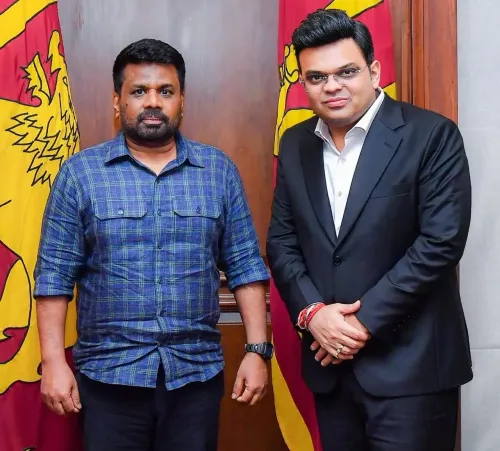
Khwaja also met Sri Lankan President Anura Kumara Dissanayake , whose government removed the previous SLC administration.
Committee member Sidath Wettimuny expressed hope that Sri Lanka retains its ICC Full Member status .
Sri Lanka Cricket was suspended by the ICC in 2023 for government interference; ICC funding was previously frozen in 2015 .
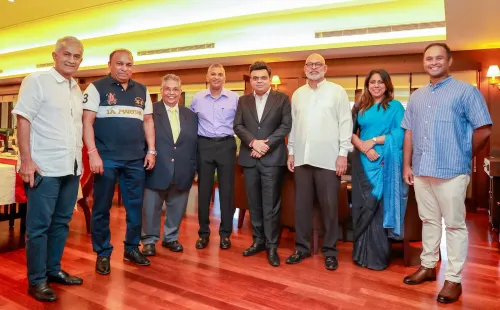
The nine-member committee includes former captains Kumar Sangakkara , Wettimuny , and Roshan Mahanama , chaired by ex-MP Eran Wickramaratne .
The committee insists its role is temporary, with power to be transferred to an elected body after governance reforms.
The Sri Lanka Cricket (SLC) transformation committee has held 'cordial and constructive' discussions with ICC Deputy Chairman Imran Khwaja, as the global cricket body evaluates the implications of sweeping governance changes imposed on Sri Lankan cricket by the island nation's new government. The talks, which took place in Sri Lanka over several days, signal a critical juncture for the country's cricket administration.
Khwaja's Visit and Key Meetings
Imran Khwaja spent several days in Sri Lanka, examining the newly restructured governance framework within SLC. During his visit, he met with both the transformation committee and Sri Lankan President Anura Kumara Dissanayake, whose government had removed the previous cricket administration from office. The ICC's assessment comes amid concerns that the changes could be classified as government interference — a designation that has previously triggered sanctions against Sri Lanka.
What the Committee Said
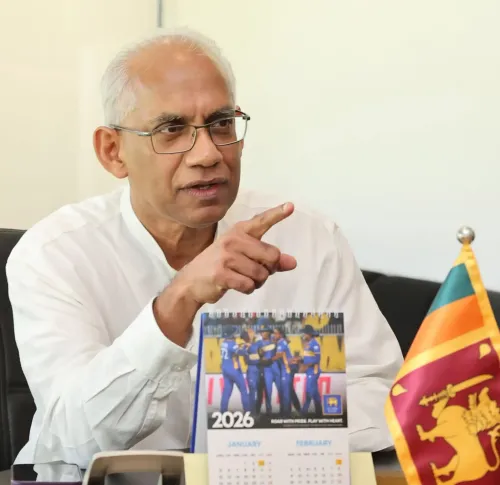
Committee member Sidath Wettimuny described his meeting with Khwaja as productive and expressed hope that Sri Lanka would retain their status as Full Members of the ICC. According to reports, Wettimuny said: 'Our immediate priority is a total overhaul of the governance framework at SLC. The cornerstone of this effort will be the implementation of the new constitution, ensuring it serves as a robust, modern foundation for the sport.'
The committee has also outlined broader ambitions: 'We will focus on establishing the structures, world-class facilities, and incentive models necessary to empower our national teams. Our goal is to enable our players to consistently deliver world-class performances and elevate Sri Lanka back to the top tier of international rankings.'
Sri Lanka's History with ICC Sanctions
The situation carries significant historical weight. Sri Lanka Cricket was suspended by the ICC in 2023 for what the governing body described as 'serious government interference in their cricket administration'. Before that, ICC funding was frozen in 2015 after a previous government-appointed interim committee assumed control. This is, notably, the third major governance crisis to draw ICC scrutiny in a decade — a pattern that underscores the structural vulnerability of Sri Lankan cricket to political intervention.
Who Sits on the Transformation Committee
The nine-member transformation committee includes some of Sri Lanka's most celebrated cricketers: former captains Kumar Sangakkara, Sidath Wettimuny, and Roshan Mahanama, alongside individuals with backgrounds in business, law, and politics. The committee is chaired by former Member of Parliament Eran Wickramaratne. Members have emphasised that their role is strictly transitional — to reform the governance architecture and hand authority to a democratically elected body.
What Happens Next
The ICC's formal assessment of the governance changes is ongoing, and the outcome will determine whether Sri Lanka retains its Full Member status and associated funding. The transformation committee's insistence on a temporary mandate and an elected successor body may prove central to how the ICC characterises the intervention. All eyes are now on the ICC's next formal communication on the matter.
Point of View
But credibility alone will not satisfy the ICC's interference criteria. The critical question is whether the committee's 'temporary' framing holds up under ICC examination, or whether the manner of the previous administration's removal — by presidential decree — is itself the red line. If the ICC concludes it is, Sri Lanka's Full Member status, and the financial lifeline that comes with it, is once again at risk.
NationPress
21 Sept 2026
Frequently Asked Questions
Why is the ICC reviewing Sri Lanka Cricket's governance?
The ICC is assessing whether sweeping changes imposed by the Sri Lankan government on SLC's administration constitute government interference — a violation of ICC rules. Sri Lanka has previously been suspended in 2023 and had funding frozen in 2015 for similar reasons.
Who is on the SLC transformation committee?
The nine-member committee includes former Sri Lanka captains Kumar Sangakkara, Sidath Wettimuny, and Roshan Mahanama, along with individuals from business, law, and politics. It is chaired by former Member of Parliament Eran Wickramaratne.
What did Sidath Wettimuny say about the ICC talks?
Wettimuny described the meeting with ICC Deputy Chairman Imran Khwaja as fruitful and expressed hope that Sri Lanka would retain Full Member status. He said the committee's immediate priority is a 'total overhaul of the governance framework at SLC' anchored by a new constitution.
Is Sri Lanka at risk of losing its ICC Full Member status?
The risk is real but not confirmed. The ICC is currently assessing the situation. Sri Lanka was suspended in 2023 for government interference, and the outcome of the current review will determine whether its Full Member status and associated funding remain intact.
What is the transformation committee's mandate?
The committee describes its role as strictly temporary — to reform SLC's governance framework, implement a new constitution, and hand authority to a democratically elected body. Members argue this distinguishes their intervention from the kind of indefinite political takeovers the ICC has previously penalised.