Jay Shah reaffirms ICC commitment to Sri Lanka Cricket after President meeting
Synopsis
Jay Shah’s meeting with Sri Lanka’s President was more than a diplomatic formality — it is the ICC’s clearest signal yet that it is engaging at the presidential level to resolve a governance crisis that risks triggering sanctions against Sri Lanka Cricket. With an interim government-appointed committee replacing an elected board, the independence of SLC hangs in the balance.
Key Takeaways
ICC chairman Jay Shah met Sri Lanka President Anura Kumara Dissanayake on 19 June to discuss cricket development and governance.
Talks covered emerging player pathways, grassroots development, and cricket as a tool for social and economic growth.
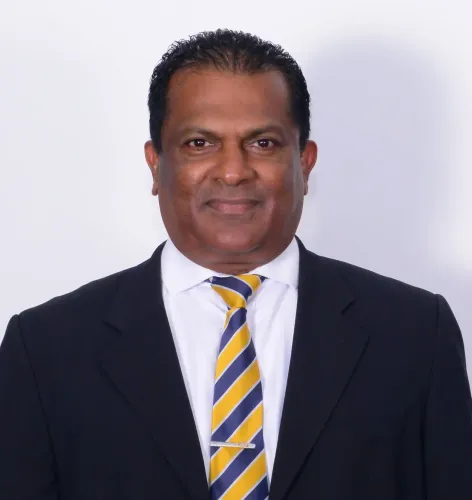
Sri Lanka’s Sports Minister Sunil Kumar Gamage set up an interim committee in late April , replacing the elected board led by Shammi Silva .
The ICC is concerned that government involvement in SLC violates its rules on board independence.
Shammi Silva and his officials reportedly resigned at President Dissanayake’s request over dissatisfaction with the previous administration.
The ICC appears to be pursuing dialogue over sanctions, but a resolution on independent governance is expected.
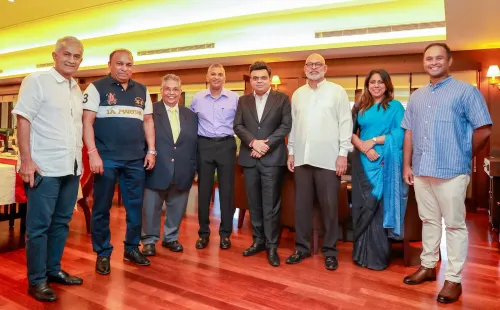
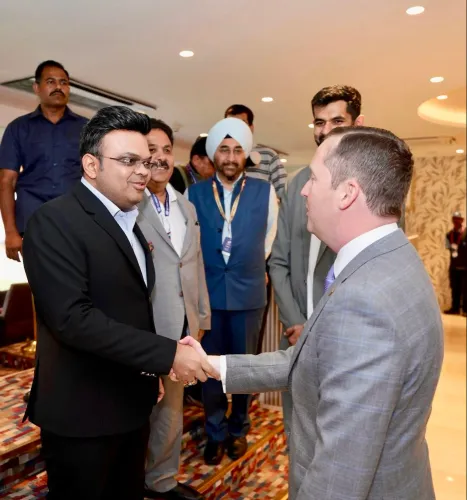
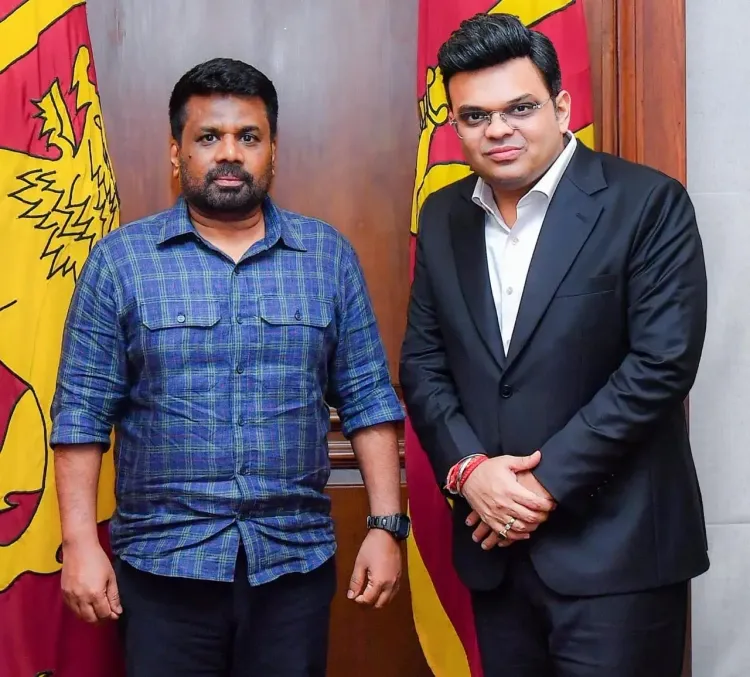
ICC chairman Jay Shah met Sri Lanka President Anura Kumara Dissanayake on Friday, 19 June to discuss the state of cricket in the island nation, with talks centred on expanding pathways for emerging players, bolstering grassroots and youth development, and harnessing the sport as a driver of social and economic progress. The high-level meeting comes at a particularly sensitive moment for Sri Lanka Cricket (SLC), which is navigating a governance dispute that has drawn scrutiny from the global body.
What Shah Said
Shah described the engagement as a privilege, sharing his remarks in a post on X. “It was a privilege to meet His Excellency President @anuradisanayake today and discuss the current status of cricket in Sri Lanka. Our discussions focused on increasing opportunities for emerging players, supporting grassroots and youth development programmes, and leveraging cricket as a vehicle for social impact and economic growth,” he wrote.
Shah also acknowledged Sri Lanka’s role in hosting major international events and its broader contribution to global cricket. “Sri Lanka holds a special place in the history of cricket, and I look forward to working closely with all stakeholders to further strengthen the game and create new opportunities for future generations,” he added.
The Governance Crisis at Sri Lanka Cricket
Sri Lanka’s Sports Minister Sunil Kumar Gamage established an interim committee in late April to oversee SLC’s affairs, replacing the executive committee elected in 2025 and led by Shammi Silva, whose term was not due to expire until May 2026. The move has raised serious concerns within the ICC, which holds that government interference in member boards contravenes its rules on the independence of national cricket organisations.
The interim committee had sought an open-ended mandate from the ICC to carry out structural reforms, including drafting a new constitution for SLC. However, Silva and his officials subsequently resigned, reportedly at the request of President Dissanayake, who was said to be dissatisfied with the previous administration’s conduct.
Why the Meeting Matters
This is not merely a courtesy call. Shah’s visit to the Sri Lankan President signals that the ICC is engaging at the highest political level to resolve a situation that, if left unaddressed, could potentially lead to sanctions against SLC. Notably, the ICC has previously suspended member boards — most recently Zimbabwe Cricket and Cricket West Indies — for government interference, making the stakes clear.
This comes amid growing pressure on the interim committee to demonstrate that it will restore independent governance structures in line with ICC statutes. The assurance of continued collaboration from the ICC chairman suggests the global body is prioritising dialogue over punitive action, at least for now.
What Happens Next
All stakeholders — including the interim committee, the ICC, and the Sri Lankan government — are expected to work toward a resolution that reinstates board independence while addressing the administrative concerns that prompted the government’s intervention. The path forward will likely hinge on whether a credible, independent governance framework can be established before the ICC escalates its response.
Point of View
It sets a precedent that other member nations will not miss.
NationPress
25 Sept 2026
Frequently Asked Questions
Why did Jay Shah meet Sri Lanka’s President?
ICC chairman Jay Shah met President Anura Kumara Dissanayake on 19 June to discuss cricket development in Sri Lanka and the ongoing governance situation at Sri Lanka Cricket. The meeting focused on expanding opportunities for players, youth development, and resolving concerns about government interference in the board’s affairs.
What is the governance crisis at Sri Lanka Cricket?
Sri Lanka’s Sports Minister set up an interim committee in late April 2025 to manage Sri Lanka Cricket, replacing the elected executive committee led by Shammi Silva before his term ended. The ICC considers such government involvement a violation of its rules requiring national boards to operate independently.
Who is Shammi Silva and why did he resign?
Shammi Silva was the elected head of Sri Lanka Cricket whose term was due to run until May 2026. He and his officials reportedly resigned at the request of President Dissanayake, who was said to be unhappy with how the cricket administration was being run.
Could Sri Lanka Cricket face ICC sanctions?
The ICC has previously suspended member boards, including Zimbabwe Cricket, for government interference. While Shah’s meeting suggests the ICC is currently prioritising dialogue, Sri Lanka Cricket could face sanctions if an independent governance structure is not restored in line with ICC statutes.
What did Jay Shah say about Sri Lanka Cricket’s future?
Shah expressed commitment to working with all stakeholders to strengthen cricket in Sri Lanka and create opportunities for future generations. He acknowledged Sri Lanka’s special place in cricket history and its continued role in hosting major international events.