Jay Shah, Devjit Saikia visit Colombo to discuss Sri Lanka Cricket governance
Synopsis
ICC Chairman Jay Shah and BCCI Secretary Devajit Saikia flew to Colombo for direct talks with Sri Lanka Cricket, extracting indicative timelines for the board's return to elected governance — a signal that the ICC is no longer content to monitor from a distance. Shah also met President Dissanayake, elevating what is essentially an administrative reform into a state-level conversation.
Key Takeaways
ICC Chairman Jay Shah and BCCI Secretary Devajit Saikia visited Colombo on 19 June for talks with Sri Lanka Cricket leadership.
Discussions covered the governance transition process, constitutional reforms, and indicative timelines for restoring an elected administration.
Sri Lanka Cricket briefed the delegation on milestones achieved and measures for a smooth, transparent transition.
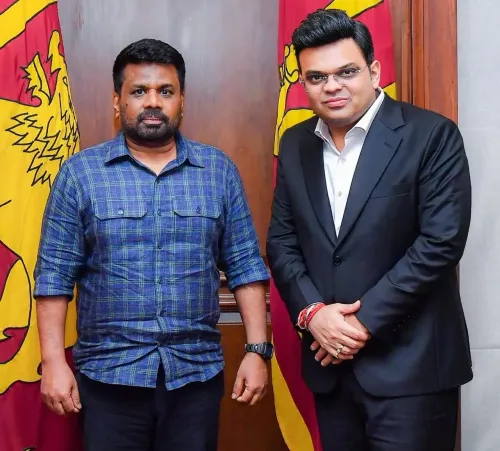
Jay Shah also met Sri Lanka President Anura Kumara Dissanayake , discussing grassroots development and cricket's role in social and economic growth.
The meeting additionally addressed bilateral cricket cooperation and the strengthening of ties between SLC, the ICC, and the BCCI.
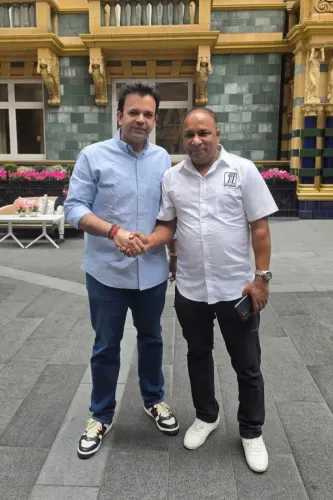
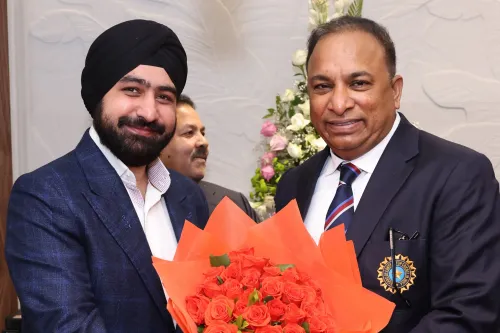
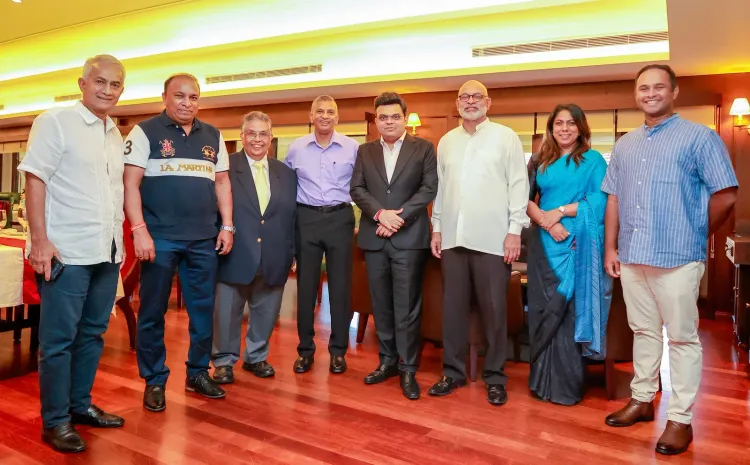
ICC Chairman Jay Shah and BCCI Secretary Devajit Saikia travelled to Colombo on Friday, 19 June for a high-level meeting with the leadership of Sri Lanka Cricket (SLC), focusing on the board's ongoing governance transition, constitutional reforms, and administrative restructuring. The visit signals the ICC's active engagement in stabilising one of its member boards amid a period of institutional change.
Key Developments from the Colombo Meeting
During the discussions, which were described as cordial and constructive, Sri Lanka Cricket provided a comprehensive briefing on the steps taken to strengthen its governance structures. The delegation was informed of the progress made by the Committee currently overseeing the governance transition process, along with indicative timelines for completing reforms and restoring an elected administration in line with the applicable legal and constitutional framework.
The ICC delegation was also updated on milestones achieved and measures being implemented to ensure a smooth and transparent handover. Jay Shah welcomed the update and reaffirmed the ICC's commitment to supporting member boards in promoting strong governance, transparency, and the game's continued growth, according to an SLC statement issued on Friday.
What the Reform Process Entails
The constitutional and administrative reforms underway at Sri Lanka Cricket are aimed at ensuring long-term institutional stability. The governance transition committee — currently entrusted with running the board — is working toward handing control back to a duly elected administration. Notably, the meeting produced a clearer picture of timelines, a detail that had been absent from earlier public communications on the reform process.
This is not the first time the ICC has had to engage closely with Sri Lanka Cricket over governance concerns. The board has historically faced periods of government interference and administrative instability, making the current reform cycle particularly significant for the sport's credibility in the country.
Shah Meets Sri Lanka President Dissanayake
Earlier on the same day, Jay Shah met Sri Lanka President Anura Kumara Dissanayake to discuss the broader state of cricket in the island nation. Talks centred on expanding opportunities for emerging players, strengthening grassroots and youth development programmes, and leveraging the sport as a driver of social impact and economic growth. The presidential-level engagement underscores the political weight the governance transition carries in Sri Lanka.
Bilateral Ties and Cricket Development
Beyond governance, the Colombo meeting also covered cricket development, bilateral cooperation between Sri Lanka Cricket and the BCCI, and the continued strengthening of ties between SLC, the ICC, and Indian cricket's governing body. The presence of the BCCI Secretary alongside the ICC Chairman reflects India's close interest in administrative stability across the subcontinent's cricket ecosystem.
With indicative timelines now shared, the focus will shift to whether Sri Lanka Cricket can meet its own reform benchmarks and restore elected governance within the agreed framework.
Point of View
Not just an internal SLC matter. Sri Lanka Cricket has a long history of administrative turbulence, and the ICC's direct engagement suggests it is unwilling to let the current transition drift. The inclusion of a presidential meeting raises the stakes further — it frames cricket governance as a matter of national institutional credibility, not merely a sporting bureaucracy issue. Whether the indicative timelines shared in Colombo translate into verifiable milestones will be the real test of this visit's impact.
NationPress
19 Sept 2026
Frequently Asked Questions
Why did Jay Shah and Devajit Saikia visit Colombo on 19 June?
Jay Shah and Devajit Saikia visited Colombo to meet Sri Lanka Cricket leadership and discuss the board's ongoing governance transition, constitutional reforms, and timelines for restoring elected administration. The visit was part of the ICC's active engagement with member boards on governance and transparency.
What is the governance transition process at Sri Lanka Cricket?
Sri Lanka Cricket is currently being overseen by a transition committee tasked with implementing constitutional and administrative reforms, with the goal of handing control back to a duly elected administration. The committee provided indicative timelines for completing this process during the 19 June meeting.
Did Jay Shah meet any Sri Lankan government officials during the visit?
Yes, earlier on 19 June, ICC Chairman Jay Shah met Sri Lanka President Anura Kumara Dissanayake. Their discussions focused on expanding opportunities for emerging players, strengthening youth and grassroots development programmes, and using cricket as a catalyst for social impact and economic growth.
What role does the BCCI play in Sri Lanka Cricket's governance reform?
BCCI Secretary Devajit Saikia accompanied Jay Shah to Colombo, reflecting India's close interest in administrative stability within the subcontinent's cricket ecosystem. The meeting also covered bilateral cricket cooperation and the strengthening of ties between Sri Lanka Cricket, the ICC, and the BCCI.
What happens next following the Colombo meeting?
With indicative timelines now shared, attention will turn to whether Sri Lanka Cricket can meet its own reform benchmarks and restore elected governance within the agreed constitutional and legal framework. The ICC has reaffirmed its commitment to supporting the transition process.