HPCA SubAir Drainage System gets India vs Afghanistan ODI started in Dharamshala
Synopsis
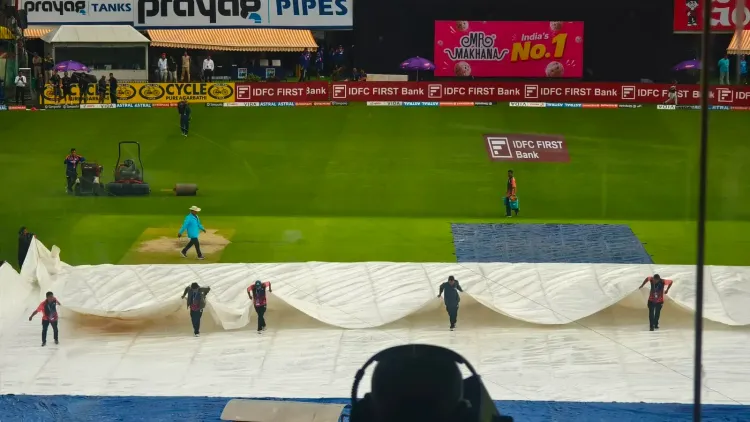
Twelve-plus hours of rain could not stop play at Dharamshala. The HPCA's newly-installed SubAir Drainage System cleared the ground in roughly 20 minutes — the same technology used at Bengaluru's Chinnaswamy — putting the India vs Afghanistan ODI on track and signalling a new infrastructure standard for Indian cricket venues.
Key Takeaways
HPCA Stadium, Dharamshala was made match-ready in approximately 20 minutes despite over 12 hours of continuous rainfall.
The newly-installed SubAir Drainage System uses underground pipes to actively pull moisture from the turf, unlike gravity-dependent conventional systems.
The India vs Afghanistan ODI commenced as scheduled, with thousands in the stands and millions watching on broadcast and digital platforms.
The SubAir system is also deployed at M.
Chinnaswamy Stadium, Bengaluru , regarded as a benchmark for post-rain resumption in India.
The installation marks a significant infrastructure milestone in HPCA 's push to establish Dharamshala as a top-tier international cricket venue.
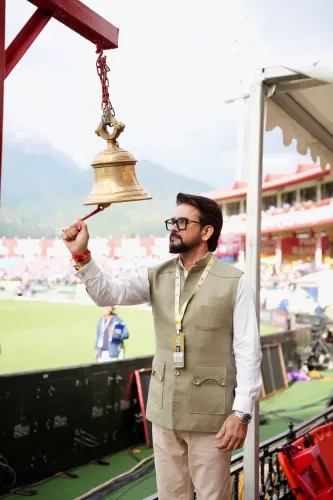
The Himachal Pradesh Cricket Association (HPCA) Stadium in Dharamshala was made match-ready in approximately 20 minutes on 13 June despite more than 12 hours of continuous rainfall, thanks to the venue's newly-installed SubAir Drainage System — allowing the India vs Afghanistan ODI to commence as scheduled.
How the System Delivered
Unlike conventional drainage setups that depend on gravity to clear standing water, the SubAir system actively draws moisture away from the turf through a network of underground pipes, dramatically cutting drying time. The technology is credited with maintaining outfield quality, enhancing player safety, and enabling rapid recovery after adverse weather — capabilities that were put to a live test as heavy rain lashed Dharamshala through the previous day and into match morning.
Ground staff were able to restore playing conditions swiftly, ensuring neither the schedule nor the spectator experience was compromised. Thousands of fans were in the stands, with millions more following through broadcast and digital platforms.
A Benchmark in Venue Technology
The SubAir system is considered a global standard in sports venue management. It is also deployed at the M. Chinnaswamy Stadium in Bengaluru, a venue long recognised for its ability to resume play quickly after rain stoppages. The HPCA's adoption of the same technology places Dharamshala among a select group of Indian venues equipped to handle extreme weather with minimal disruption.
What This Means for Dharamshala Cricket
The installation represents a significant infrastructure milestone for the HPCA, which has been steadily positioning Dharamshala as a premier destination for international cricket. The stadium, set against the backdrop of the Dhauladhar mountain range, already draws strong viewership and attendance for marquee fixtures. With cutting-edge drainage now in place, weather-related curtailments — historically a risk at high-altitude venues — are expected to become far less frequent.
Broader Impact on Indian Cricket Infrastructure
The successful deployment during a high-profile bilateral fixture underscores a wider shift in Indian cricket venue management, where investment in sub-surface technology is increasingly seen as essential rather than optional. Officials and broadcasters alike benefit from greater scheduling certainty, while players gain the assurance of safer, better-maintained playing surfaces. As international cricket calendars grow more congested, the ability of a venue to guarantee play regardless of weather is a competitive advantage that governing bodies and broadcasters actively factor into fixture allocation.
Point of View
Better broadcast deals, and higher footfall. The HPCA's SubAir investment effectively buys Dharamshala a seat at the table for high-stakes bilateral and tournament matches that boards might otherwise route to more weather-reliable venues. What mainstream coverage misses is the financial logic: a single washed-out international match costs a venue far more in lost gate and broadcast revenue than the capital cost of sub-surface drainage. Other BCCI venues still relying on gravity drainage should be watching.
NationPress
25 Sept 2026
Frequently Asked Questions
What is the SubAir Drainage System installed at HPCA Stadium, Dharamshala?
The SubAir Drainage System is an advanced sub-surface drainage technology that actively pulls water and moisture from beneath the playing surface through a network of underground pipes, rather than relying on gravity alone. It significantly accelerates the drying process and is considered a global benchmark in sports venue management.
How quickly did the SubAir system make the ground ready for the India vs Afghanistan ODI?
The HPCA Stadium was made match-ready in approximately 20 minutes despite more than 12 hours of continuous rainfall in Dharamshala. This allowed the India vs Afghanistan ODI to begin as scheduled without any delay.
Which other Indian cricket stadium uses the SubAir Drainage System?
The M. Chinnaswamy Stadium in Bengaluru also uses the SubAir system and is widely recognised for its ability to resume play quickly after rain interruptions, making it the closest comparable venue to Dharamshala's newly upgraded facility.
Why does advanced drainage technology matter for cricket venues in India?
Heavy and unpredictable rainfall can force match delays or cancellations, affecting fans, broadcasters, and revenue. Modern sub-surface drainage systems like SubAir reduce weather-related disruptions, improve player safety, and help venues secure more international fixtures by offering scheduling reliability to boards and broadcasters.
What does this mean for Dharamshala's future as an international cricket venue?
The SubAir installation strengthens Dharamshala's case as a premier international cricket destination. With weather-related curtailments now less likely, the HPCA Stadium is better positioned to host high-profile bilateral series and tournament matches that demand scheduling certainty.