Tuchel's tactics under fire after England's 2-1 FIFA World Cup semifinal loss to Argentina
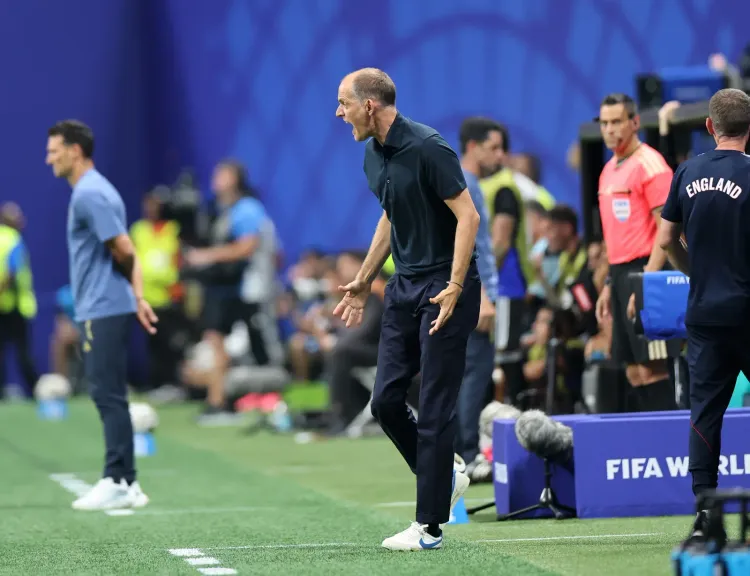
Synopsis
England led Argentina in a FIFA World Cup semifinal and still lost — and the numbers are damning. After Anthony Gordon's goal, England managed just 12% possession as Tuchel's defensive substitutions handed momentum entirely to Argentina. Messi and Martínez were left unmarked for the winner. The man hired to end England's cautious era may have delivered its most cautious performance yet.
Key Takeaways
England lost 2-1 to Argentina in the FIFA World Cup semifinal on Wednesday , despite taking the lead through Anthony Gordon .
After Gordon's goal, England recorded just 12% possession — a figure that drew widespread condemnation.
Tuchel's substitutions — replacing Gordon with Ezri Konsa , and bringing on Dan Burn and Nico O'Reilly — deepened a defensive retreat critics say was counterproductive.
Lionel Messi and Lautaro Martínez were both left unmarked for Argentina's winning goal.
Reserve strikers Ivan Toney and Ollie Watkins played fewer than 15 minutes combined, fuelling debate over squad selection.
England faces France in the third-place playoff on Saturday .
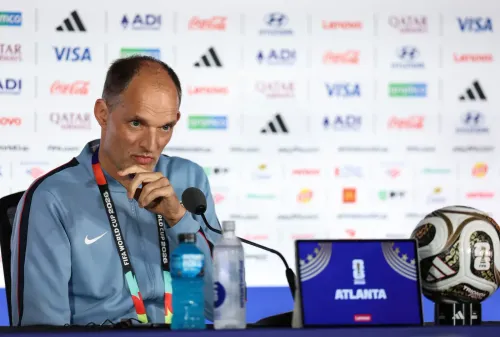
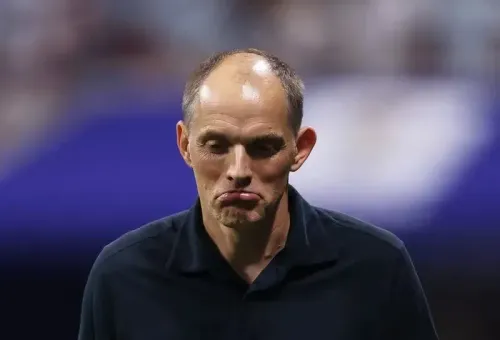
England manager Thomas Tuchel faced a wave of criticism from supporters and pundits after his side's 2-1 FIFA World Cup semifinal defeat to Argentina on Wednesday, with his in-game decisions widely blamed for surrendering a lead that Anthony Gordon had established early in the second half.
How England Lost Control
Until Gordon's opener, the contest had been tightly contested and tactically disciplined. Argentina worked to congest central areas and deny England space around the penalty box, while England sought to exploit the width of the pitch through the flanks. Both sides were measured in possession and reluctant to take risks.
The deadlock broke when England stretched Argentina down the right, enabling Morgan Rogers to deliver a cross that Gordon converted. England's game plan was functioning — and with Argentina now forced to chase the match, logic suggested that space would open up for England's wide players to exploit on the counter.
The Substitutions That Changed Everything
It did not unfold that way. Tuchel's substitution of Gordon for Ezri Konsa effectively dismantled England's most reliable counterattacking outlet. The change left Harry Kane and Jude Bellingham increasingly isolated, stripped England of a means to retain possession, and allowed Argentina to establish sustained pressure in England's own half.
Almost immediately after the change, Argentina fashioned three clear chances — twice denied by reflex saves from Jordan Pickford and once by the woodwork. Rather than respond by introducing players capable of helping England regain possession or adding pace on the break, Tuchel doubled down on defence.
The introductions of Dan Burn and Nico O'Reilly in place of Declan Rice and Reece James only deepened the defensive posture. England retreated so far that Kane was operating near the edge of his own penalty area. Clearances replaced controlled possession, but with no attacking outlet, the ball repeatedly returned.
How Argentina Completed the Comeback
Enzo Fernández was afforded time and space on the edge of the box to control, look up, and pick his spot — the equaliser felt inevitable. With England fully committed to a defensive shape, momentum swung entirely to Argentina.
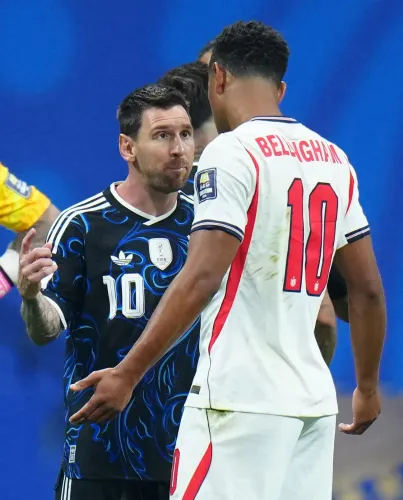
The most damaging moment, critics argue, was that despite fielding so many defensive players, Lionel Messi was left unmarked when he provided the cross for an equally unmarked Lautaro Martínez to head home the winner. Defending with numbers means little if the defensive structure itself breaks down.
The Statistics That Tell the Story
One figure encapsulates the scale of England's retreat: after Gordon's goal, England held just 12 percent possession. Even a fourth-tier side facing Premier League opposition in the FA Cup away from home would typically expect to see more of the ball.
Tuchel's squad selection has also drawn scrutiny. Reserve strikers Ivan Toney and Ollie Watkins played fewer than 15 minutes combined, raising questions about whether England needed both backup centre-forwards — and whether that place could have gone to a creative option such as Cole Palmer or Phil Foden.
The decision to take the injury-prone Reece James as the squad's sole specialist right-back, while leaving Trent Alexander-Arnold at home alongside six central defenders, has similarly come under fire. Kobbie Mainoo, meanwhile, reportedly remained on the bench while Eberechi Eze — primarily an attacking wide player — and James, a full-back, were both deployed in midfield.
What Comes Next for England
Tuchel was brought in precisely to move England beyond the cautious reputation that defined Gareth Southgate's era. When the replacement is perceived as even more conservative than his predecessor, the scrutiny intensifies. England now faces France in the third-place playoff on Saturday, a fixture that will do little to ease the pressure on the manager.
Point of View
Mainoo benched while a full-back played midfield — suggest structural decisions that compounded the in-game errors. England's third-place playoff against France is now as much a referendum on Tuchel's future as it is a football match.
NationPress
15 Oct 2026
Frequently Asked Questions
Why did England lose the FIFA World Cup semifinal to Argentina?
England lost 2-1 to Argentina after leading through Anthony Gordon's goal early in the second half. Critics and pundits widely attribute the defeat to Thomas Tuchel's substitutions, which shifted England into an extreme defensive posture that yielded 12% possession and ultimately allowed Argentina to equalise and score the winner.
What were Tuchel's controversial substitutions against Argentina?
Tuchel replaced goalscorer Anthony Gordon with Ezri Konsa, then brought on Dan Burn and Nico O'Reilly in place of Declan Rice and Reece James. The changes removed England's counterattacking threat, isolated Harry Kane and Jude Bellingham, and allowed Argentina to dominate possession and territory.
How did Argentina score their winning goal?
Lionel Messi, left unmarked, provided a cross for an equally unmarked Lautaro Martínez, who headed home the winner. Critics noted the irony that despite fielding so many defensive players, England's defensive structure broke down at the decisive moment.
What questions has Tuchel's squad selection raised?
Tuchel's decision to leave Trent Alexander-Arnold out of the squad while taking six central defenders and the injury-prone Reece James as the sole specialist right-back has drawn scrutiny. The fact that Ivan Toney and Ollie Watkins played fewer than 15 minutes combined has also raised questions about whether a place could have gone to a creative player such as Cole Palmer or Phil Foden.
What happens next for England at the FIFA World Cup?
England faces France in the third-place playoff on Saturday. The match comes under a cloud of criticism directed at Tuchel, whose tenure was meant to signal a break from the cautious approach associated with his predecessor Gareth Southgate.