US college athletes face tax crisis as NIL deals surge in 2025
Synopsis
An 18-year-old college footballer earned USD 750,000 in NIL deals, bought his mother a home — and ended up with USD 6,000 and a USD 320,000 tax bill. That single case study, presented to the House Ways and Means Committee, has crystallised a growing bipartisan push to mandate tax withholding on NIL payments and close a financial literacy gap that is quietly devastating young American athletes.
Key Takeaways
The House Ways and Means Committee held a hearing this week on tax challenges facing college athletes under the NIL (Name, Image and Likeness) framework.
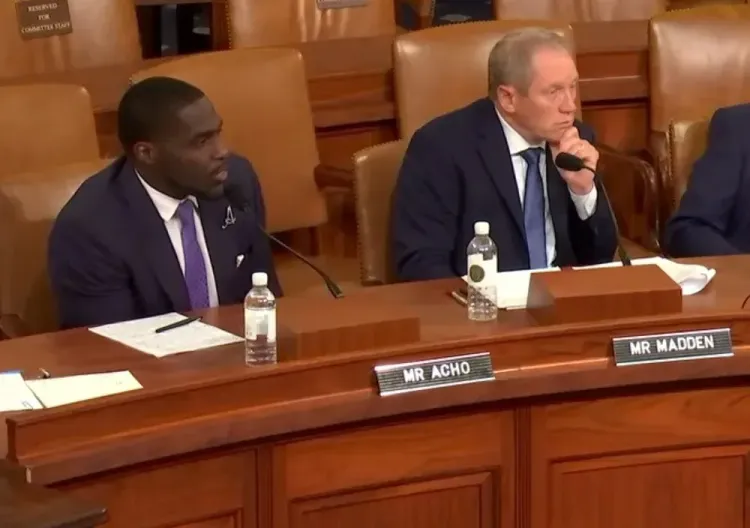
An 18-year-old athlete who earned USD 750,000 in NIL deals was left with roughly USD 6,000 after spending and faced a tax bill of approximately USD 320,000 , according to testimony by Sam Acho .
College athletes are classified as self-employed independent contractors under current US tax law, meaning no taxes are automatically withheld from NIL income.
Lawmakers from both parties expressed support for mandatory NIL withholding and stronger financial literacy programmes at universities.
Foreign students on F-1 visas , including Indian athletes in NCAA programmes, face additional complications from overlapping immigration and tax rules.
US lawmakers are pushing for urgent tax reforms to shield college athletes from mounting financial liabilities as the rapid expansion of Name, Image and Likeness (NIL) deals exposes young sports stars to a tax system they are largely unprepared to navigate. A House Ways and Means Committee hearing held this week in Washington brought the issue into sharp focus, with bipartisan testimony highlighting a growing crisis among student athletes — many of them teenagers — earning significant income without any automatic tax withholding.
The $750,000 Wake-Up Call
Former NFL linebacker and ESPN analyst Sam Acho presented lawmakers with a stark case study: an 18-year-old football player who earned USD 750,000 through NIL agreements, used the money to buy his mother a home, purchase a car, and rent an apartment — only to find himself left with approximately USD 6,000 and facing a tax bill of roughly USD 320,000, with no taxes having been withheld at source.
'The tax code wasn't written for a 17-year-old college football player who's coming into sudden wealth,' Acho told the committee. He urged Congress to consider mandatory withholding from NIL payments and stronger financial education programmes for student athletes.
How the Tax System Treats College Athletes
Former Internal Revenue Service (IRS) official Thad Madden explained that college athletes receiving NIL income are classified as self-employed independent contractors rather than employees. This means they must pay federal income tax in addition to Social Security and Medicare taxes — all without automatic withholding from their earnings.
'That's quite the ask for an 18-year-old fresh out of high school,' Madden said. He argued that mandatory withholding from NIL payments would significantly improve tax compliance and prevent young athletes from accumulating debt with the IRS by spending their earnings before setting aside funds for taxes.
Financial Literacy Gap at Universities
Multiple witnesses at the hearing noted that universities tend to prioritise athletic performance over educating players about contracts, taxation, and long-term financial planning. Acho argued that 'players need advocates, not fans,' pointing to a widespread lack of trusted financial advisers among student athletes navigating endorsement deals and investment decisions.
Lawmakers from both parties expressed support for improving financial literacy programmes. Acho also urged Congress to allow athletes to direct a portion of their NIL earnings into retirement accounts, encouraging long-term savings habits from an early stage in their careers.
Broader Economics Under Scrutiny
The committee also examined wider issues within the sports industry, including taxpayer-funded stadium construction, tax-exempt municipal bonds, and the tax treatment of professional sports franchises. Economists questioned whether the billions of dollars in public subsidies directed toward stadium projects deliver meaningful economic returns to local communities — a concern that has persisted across multiple legislative sessions without resolution.
Witnesses additionally flagged that foreign students on F-1 visas face compounded complications due to the intersection of immigration and tax rules, even as American universities increasingly depend on international athletic talent, including growing numbers of students from India competing in NCAA programmes.
What This Means for International Athletes
As NIL opportunities continue to expand, Indian student athletes studying in the United States could increasingly face the same tax and financial planning challenges raised during the hearing. The combination of complex US tax obligations, visa restrictions, and limited institutional guidance creates particular vulnerability for international players who may have fewer support networks to draw upon.
With bipartisan momentum building in the House Ways and Means Committee, legislative proposals around mandatory NIL withholding and athlete financial education are expected to advance in the coming months — though the timeline for any concrete reform remains unclear.
Point of View
And the bipartisan tone at the hearing suggests it is achievable — but the sports industry's broader lobbying interests, including the stadium subsidy debate raised in the same hearing, could slow or dilute any standalone athlete-protection bill. For Indian and other international student athletes, the stakes are even higher: a tax misstep can jeopardise not just finances but visa status.
NationPress
1 Oct 2026
Frequently Asked Questions
What is the NIL tax problem facing US college athletes?
College athletes earning income through Name, Image and Likeness (NIL) deals are classified as self-employed independent contractors under US tax law, meaning no taxes are withheld from their payments. Many young athletes spend their earnings without setting aside money for tax obligations, leaving them with large unpaid liabilities to the IRS.
What happened to the 18-year-old athlete mentioned in the Congress hearing?
According to testimony by Sam Acho at the House Ways and Means Committee, an 18-year-old football player earned USD 750,000 in NIL deals, used the money to buy his mother a home, a car, and rent an apartment, and was left with about USD 6,000 while facing a tax bill of roughly USD 320,000 because no taxes had been withheld.
What reforms are US lawmakers considering for NIL taxation?
Lawmakers are considering mandatory tax withholding from NIL payments at the source, similar to how employee wages are handled. There is also bipartisan support for stronger financial literacy and education programmes at universities to help student athletes manage contracts, taxes, and long-term financial planning.
How does this affect Indian student athletes in the US?
Indian students on F-1 visas competing in NCAA programmes face compounding challenges, as US tax obligations intersect with immigration rules. As NIL opportunities grow, Indian athletes in American universities could increasingly encounter the same tax and financial planning pitfalls raised at the congressional hearing.
What is the current status of NIL tax reform legislation?
As of the House Ways and Means Committee hearing this week, no specific legislation has been passed. However, bipartisan support for mandatory withholding and financial education reform is building, and proposals are expected to advance in the coming months, though a firm legislative timeline has not been established.