Could Women's Cricket Experience a 1983-Like Boom After the Historic ODI WC Victory?
Synopsis
Witness the historic triumph of India's women's cricket team as they clinch their first ODI World Cup title, igniting hopes for a 1983-like resurgence. Hemlata Kala shares insights on the monumental victory's implications for the future of women's cricket in India.
Key Takeaways
Historic victory: India's first Women's ODI World Cup title marks a significant milestone.
Inspiration for future generations: This win encourages young girls to pursue cricket.
Resilience: The team's journey from league stage defeats to ultimate victory showcases their determination.
Support for women's cricket: Increased recognition and support from stakeholders are vital.
Role models: Players like Deepti Sharma and Shafali Verma exemplify excellence in women's cricket.
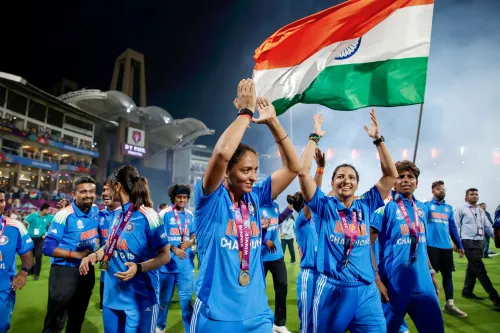
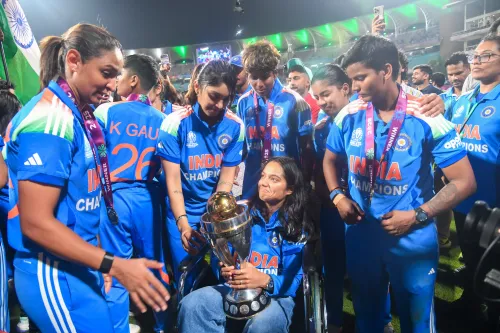
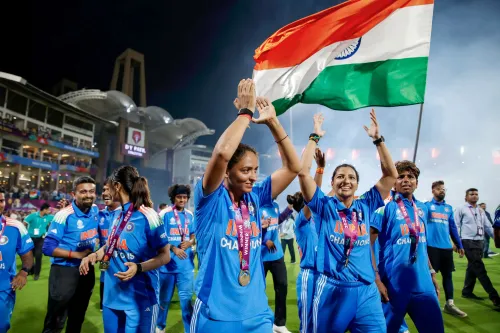
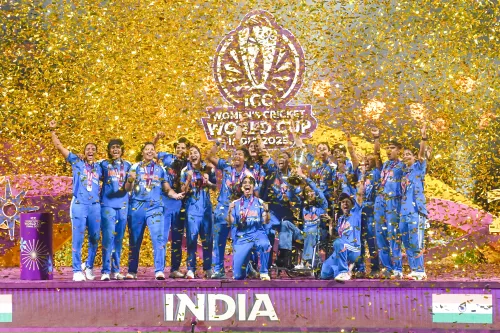
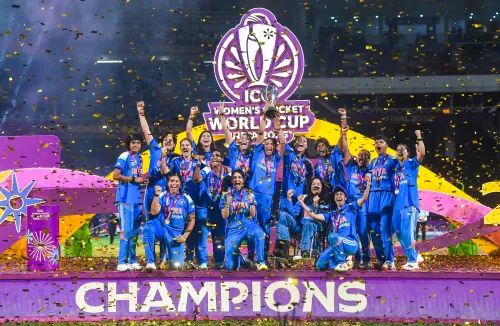
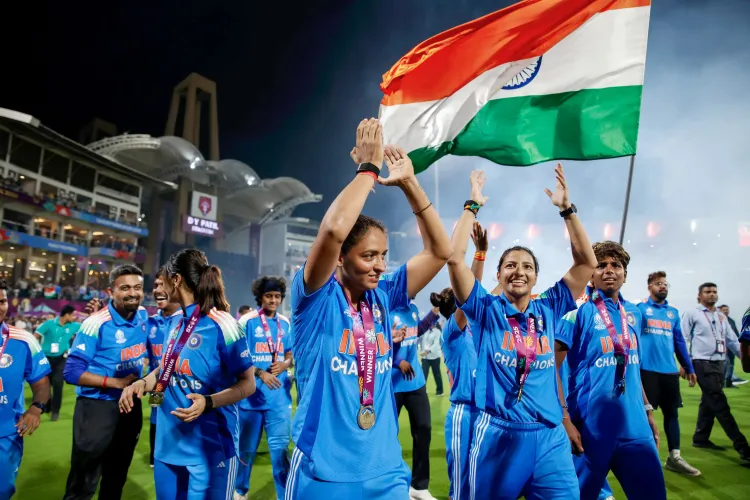
New Delhi, Nov 5 (NationPress) A historic moment unfolded on November 2 as approximately 40,000 spectators at DY Patil Stadium, Navi Mumbai, erupted in celebration when India triumphed over South Africa by 52 runs, clinching their first Women’s ODI World Cup title. Harmanpreet Kaur and her pioneering team, hailing from both metropolitan areas and smaller towns, came together to create a new chapter in the realm of Indian women’s cricket. Former Indian cricketer and ex-chief selector Hemlata Kala asserts that this victory will resonate well beyond the cricket field.
In a candid interview with IANS, Hemlata drew comparisons between the monumental victory in 2025 and the iconic triumph of 1983, highlighting the potential of this win to revolutionize women's cricket in India forever. Excerpts:
Q: What does this ODI World Cup victory signify to you?
A: It holds immense significance for me as we have been striving for this since 2005. We reached the finals multiple times but always fell short. However, this time, Harman's team succeeded. What excites me more is its potential to transform the landscape, similar to the aftermath of the Men's World Cup victory in 1983. This could be a pivotal moment for women's cricket, as it will garner increased recognition. This triumph is dedicated to all girls aspiring to pursue a future in cricket, serving as a great motivation for them.
I was overwhelmed with emotion because we had anticipated this for such a long time, especially since 2005. When Laura was dismissed, I sensed victory was within reach. I understood that their two batsmen couldn't always perform at that level – just like every day isn't a Sunday, Deepti made that crucial breakthrough by taking out Laura. Words can't express the turmoil of emotions I experienced at that moment.
Q: How surreal has it been to witness the team win the title despite three consecutive losses in the league stage?
A: Yes, many believed we would falter. However, I had faith that if we faced New Zealand, victory was achievable. Analyzing New Zealand's ODI performance in India showed they struggled. I anticipated that a semi-final against Australia would be pivotal. However, it never felt like we were out of contention; we had opportunities to reach the finals.
Q: Shafali Verma wasn't included in the main squad or reserves. How impressive was her performance in the final?
A: I'm unsure why the previous selectors overlooked her, as I believe she always deserved a spot in the squad. Shafali's return to the final was remarkable—especially since Harman wasn't taking wickets. The two crucial breakthroughs she achieved were instrumental in turning the game in our favor. Had those wickets not fallen, the match could have taken a different direction. Shafali's contribution of 87 runs was vital, particularly since the pitch was slow initially. She displayed remarkable composure, suggesting her return was perfectly timed for the finals.
Her fielding has improved as well. Observing her matches, it's evident that she has made significant strides. Her bowling has also become a valuable asset. During the final, she bowled intelligently. Had she increased her pace, she might not have claimed a wicket. Instead, she varied her pace effectively, showcasing her cricketing acumen.
Q: As someone who has closely followed Shafali's development, can you discuss the changes she's made in her batting approach?
A: Shafali has evolved her game significantly. I've witnessed all her domestic innings, where she has dominated and played with maturity. A team like Haryana relies on her determination to advance in knockout stages. Just imagine the level of her game now. I applaud her for maintaining her style while integrating a more sensible approach.
In terms of her batting, especially when Smriti and Jemimah fell, her calmness was notable. I believe her domestic experience, especially during her absence from the national team, has contributed to her maturity in all aspects of her game.
Q: What can you say about Deepti Sharma? She's been exceptional with both bat and ball during the competition.
A: I've known her since she was 8-9 years old, so I've had the privilege of witnessing her growth. Her impact remains significant in every series. She consistently performs, whether with bat or ball. Her improvements in both batting and bowling, particularly her skillful variations, are commendable. The hard work she's put in is evident, though we don't often meet nowadays due to our respective commitments.
Her dedication is now visible, which is only natural. Reflecting on her journey from age 8-9 to now, the transformation is remarkable, and I've observed her growth in every series.
Q: What lessons can young cricketers learn from Deepti's outstanding performances in this World Cup?
A: One key lesson is that hard work pays off. Deepti has put in immense effort. Leaving a place like Agra to establish her presence is no easy feat. While it's comfortable for many of us to stay home with family, she has sacrificed her time for her game. This dedication is something aspiring cricketers should recognize.
Q: Many believe this victory marks a significant turning point for Indian women’s cricket. How should stakeholders capitalize on this momentum for future success?
A: The BCCI has made substantial efforts. I was the selection committee chair in 2017 and witnessed their progress firsthand at Lord’s when they reached the final. Since Jay Shah took over, initiatives like the WPL have transformed women's cricket. I observed the support provided during pre-World Cup camps, and the confidence WPL instilled in players is evident. Previously, only one series would occur annually. Now, numerous series take place, and international players like Harmanpreet Kaur remain actively engaged. The landscape has shifted dramatically since 2017, with many positive changes in women's cricket.
The central contract system and the inception of WPL have revolutionized the sport. I used to think state associations lacked focus, but just as men's cricket flourished post-1983, I believe women's cricket will experience similar growth. Our cricket will thrive across states in the country through stakeholder support.
Q: From a societal perspective, how do you perceive this victory affecting the perception of pursuing a career in cricket?
A: The viewership for the final via live streaming surpassed 20 crores, showcasing the immense interest in the event. The celebrations that followed across India were unprecedented. Living in a smaller city like Agra, I witnessed countless celebrations. People were bursting crackers outside their homes, indicating a significant societal shift. Following 2017 and WPL, families are eager to encourage their daughters to take up cricket. This moment presents an unparalleled opportunity for girls to pursue the sport in the future.
Q: Is there a moment from the final that will remain etched in your memory forever?
A: The sight of the team lifting the trophy and Deepti's final wicket will stay with me. The trophy lifting moment is something I'll cherish eternally, as it symbolizes our long-awaited victory. As Jemimah expressed, this trophy represents not just the players but also those who paved the way for women's cricket. It belongs to everyone. Consider that we gained independence in 1947, but the initial struggle for independence was crucial. Similarly, the early fight for women's cricket in India was vital, and we must not forget the contributions of those who came before us. Despite not reaching the finals, they laid the foundation for women’s cricket in India. This victory is for them.
This triumph is dedicated to Mithali Raj, Jhulan Goswami, Anjum Chopra, Diana Edulji, Shanta Rangaswamy, and all women who played despite skepticism about women's cricket. Shafali's powerful hitting exemplifies the capabilities of female cricketers, proving that women can excel in this sport.
Q: How do you assess the Indian team's prospects for achieving further success in significant events in the coming years?
A: With the T20 World Cup approaching in June-July in England, what if they also claim that title? This team has the potential to achieve greatness. There are discussions about their chances, but this team is capable of anything. Imagine if the girls bring home the T20 World Cup, creating yet another unforgettable moment—possibilities are limitless.
The BCCI's commitment to women's cricket—through U15, U19, Challenger Trophies, zonal camps, and CoE tournaments—is commendable. They are not only working for the players but also to develop the best coaches within our cricketing ecosystem. Previously, whenever we played Australia, the men's team often lost. Now, we have begun to compete effectively, even winning series across formats. One day, we might celebrate India achieving seven titles in women’s cricket. The groundwork for women's cricket has been laid, and results are materializing. We must continue delivering, and I am confident that the BCCI is on the right track. The future undoubtedly belongs to India.
Point of View
I view this historic win as a significant milestone in women's cricket. The triumph not only showcases the potential of female athletes but also reflects the growing support and recognition for women's sports in India. This victory is a testament to years of hard work and dedication, paving the way for future generations.
NationPress
6 Sept 2026
Frequently Asked Questions
What was the significance of the Women's ODI World Cup victory?
The victory symbolizes a transformative moment for women's cricket in India, akin to the men's triumph in 1983, inspiring future generations and garnering increased recognition.
How did the Indian team overcome challenges to win the title?
Despite facing three consecutive losses in the league stage, the team's resilience and strategic gameplay, especially against New Zealand and Australia, led them to victory.
What impact does this win have on young female cricketers?
This victory serves as a powerful motivation for young girls aspiring to pursue cricket, encouraging families to support their dreams and break societal barriers.
How can stakeholders ensure continued success for women's cricket?
Stakeholders can capitalize on this momentum by providing more opportunities, support, and resources for women's cricket, fostering talent development at all levels.
What lessons can young cricketers learn from Deepti Sharma's performance?
Young cricketers can learn the importance of hard work, dedication, and the ability to overcome challenges, as demonstrated by Deepti's consistent performance.