What Led 26 Hardcore Maoists to Surrender in Chhattisgarh?

Synopsis
In a pivotal moment for security forces in Chhattisgarh, 26 hardcore Maoists surrendered, marking a significant blow to Maoist operations. This development is a testament to the effectiveness of the government's rehabilitation policies and ongoing anti-Maoist efforts, aiming for a peaceful future in the region.
Key Takeaways
Mass surrender of 26 Maoists marks a significant victory for security forces.
Individuals surrendered under the Naxalite Surrender and Rehabilitation Policy .
Intensified anti-Maoist operations increased pressure on insurgents.
Each surrendered Maoist received immediate financial assistance.
This development aligns with the government's goal to eradicate Naxalism by March 2026.
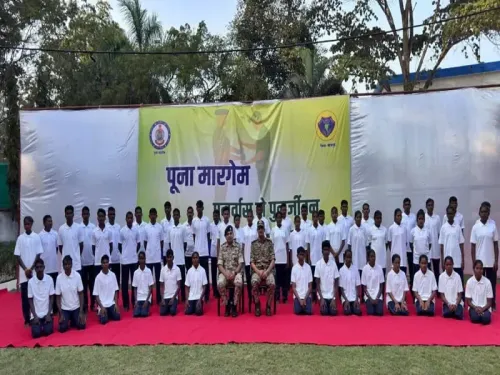
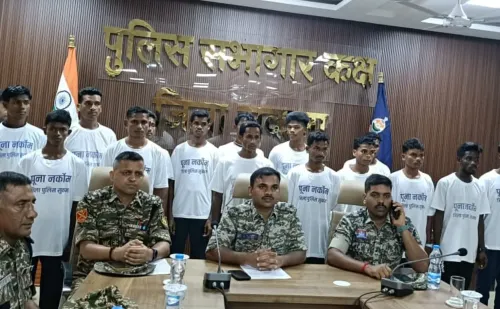
Raipur/Sukma, Jan 7 (NationPress) In a remarkable achievement for law enforcement battling Left-Wing Extremism, 26 hardened Naxalites, including seven women, concurrently surrendered in the Maoist-influenced Sukma district on Wednesday.
A total bounty of around Rs 64-65 lakh had been placed on these militants, representing a substantial blow to the illegal Maoist faction.
The insurgents who laid down their arms were engaged in critical operational zones, such as the People's Liberation Guerrilla Army (PLGA) Battalion, South Bastar Division, Maad Division, and the Andhra-Odisha Border (AOB) area. They held different roles within the Maoist structure: one Company Party Committee Member (CYPCM), four Platoon Party Committee Members (PPCM), three Area Committee Members (ACM), and 18 regular Party Members.
According to law enforcement authorities, these individuals were implicated in various significant incidents throughout Sukma district, the Maad area, and adjacent regions in Odisha.
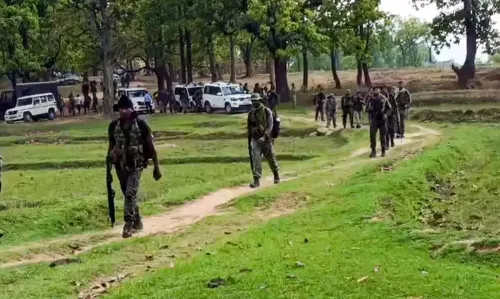
Their surrender coincides with intensified operations against Maoists and the establishment of new security camps in remote areas, which have considerably increased pressure on these insurgents.
The Maoists indicated that the Chhattisgarh government's appealing 'Naxalite Surrender and Rehabilitation Policy' was a major factor in their decision to abandon violence.
They were notably influenced by the ongoing 'Poona Marge' campaign aimed at rehabilitation and reintegrating them into society. This initiative offers financial support, skill training, and protection to former insurgents ready to renounce violence.
High-ranking police and Central Reserve Police Force (CRPF) officials supervised the surrender procedure.
The District Reserve Guard (DRG) Sukma, Interrogation Branch, and intelligence divisions from several CRPF battalions—including 02, 159, 212, 217, 226, and Cobra 201—were instrumental in convincing the cadres to reintegrate into society.
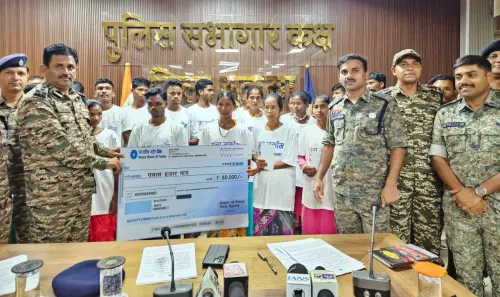
Upon surrender, each individual received the designated benefits under the rehabilitation policy, including immediate monetary assistance.
This incident aligns with the Central government's agenda to eliminate Naxalism by March 2026, as reiterated by Union Home Minister Amit Shah.
Experts in security perceive this mass surrender as indicative of a declining Maoist spirit, influenced by ongoing operations and developmental outreach in the Bastar region.
With numerous surrenders noted in recent years, Chhattisgarh is witnessing a gradual reduction in Naxal influence, fostering peace and progress in areas once plagued by unrest.
Point of View
I view this mass surrender of hardcore Maoists as a pivotal moment in the fight against extremism. It underscores the commitment of the government and security forces to not only combat violence but also offer pathways for rehabilitation and reintegration into society. This approach, if sustained, can lead to lasting peace in conflict-affected regions.
NationPress
29 Sept 2026
Frequently Asked Questions
Why did the Maoists surrender?
The Maoists surrendered primarily due to the Chhattisgarh government's appealing 'Naxalite Surrender and Rehabilitation Policy,' which offers financial assistance and support for reintegration into society.
What is the significance of this surrender?
This surrender represents a significant setback for the Maoist organization, indicating a potential decline in their influence and morale, especially in the Sukma district.
What support is provided to surrendered Maoists?
Surrendered Maoists receive support under the rehabilitation policy, including immediate financial aid, skill development, and protection.
How many Maoists surrendered?
A total of 26 hardcore Maoists surrendered, which includes seven women.
What areas were the surrendered Maoists active in?
The surrendered Maoists were active in key operational areas like the People's Liberation Guerrilla Army Battalion, South Bastar Division, Maad Division, and the Andhra-Odisha Border region.