Telangana food poisoning: 26 students ill at Nagarkurnool tribal school
Synopsis
Twenty-six tribal students fell ill after eating insect-contaminated khichdi at a Nagarkurnool residential school, with the local hospital unable to provide beds — forcing children to lie on the floor. It is the second food poisoning incident in Telangana's gurukul schools this academic year, and the NHRC had already flagged 886 such incidents and 48 student deaths in the state last year.
Key Takeaways
26 students at Chenchu Tribal Government Residential School , Nagarkurnool , fell ill on 9 July after breakfast.
Students reportedly spotted insects in the khichdi served that morning.
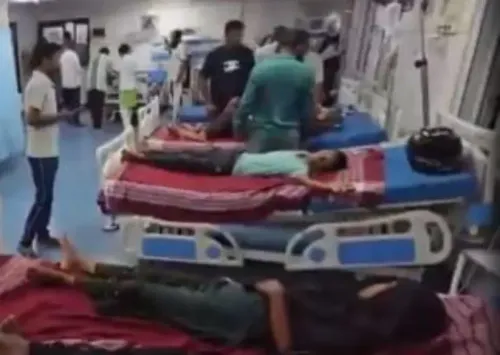
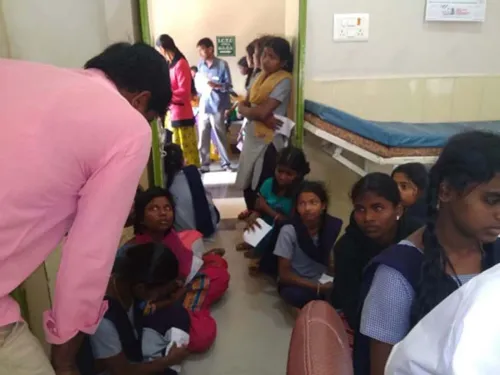
Mannanur Government Hospital lacked sufficient beds; students were made to lie on the floor before being shifted to Achampet Area Hospital .
This is the second food poisoning incident in Telangana residential schools since the start of the academic year; 33 students were earlier hospitalised at Kamareddy Gurukul School .
The NHRC had directed Telangana to investigate 886 food poisoning incidents and approximately 48 student deaths in gurukul schools as of last year.
Students at Telangana University , Nizamabad , separately protested a drinking water crisis on the same day.
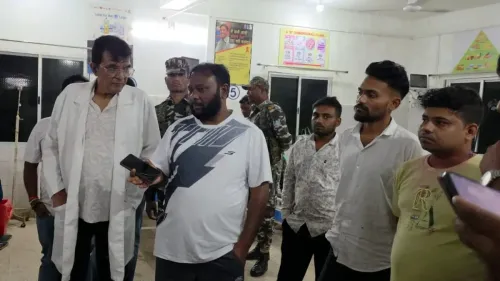
Twenty-six students at the Chenchu Tribal Government Residential School in Mannanur Village, Amrabad Mandal, Nagarkurnool district, fell ill on Thursday, 9 July after consuming breakfast, in what officials are treating as a suspected food poisoning incident. The affected students reported symptoms of diarrhoea shortly after the morning meal, prompting an emergency response that exposed serious gaps in local healthcare infrastructure.
What Happened at the School
Students at the Chenchu Tribal Government Residential School began experiencing diarrhoea within a short time of eating breakfast. Several of the affected students reportedly said they noticed insects in the khichdi served to them that morning — a claim that, if verified, would point to a failure in food preparation and hygiene standards.
The students were first rushed to Mannanur Government Hospital, but the facility reportedly lacked sufficient beds, forcing some students to lie on the floor for treatment. Parents, alarmed by the conditions, registered a formal protest with authorities over the inadequate medical facilities. The students were subsequently shifted to Achampet Area Hospital for further care.
A Pattern of Food Safety Failures
This incident is not isolated. Just days earlier, 33 students were hospitalised after a food poisoning episode at Kamareddy Gurukul School following lunch. That makes at least two confirmed food poisoning incidents in Telangana's residential schools since the start of the current academic year alone.
The pattern is far older and more alarming than recent weeks suggest. In July last year, the National Human Rights Commission (NHRC) directed the Telangana state government to investigate reports of over 800 incidents of suspected food poisoning across gurukul schools and submit a detailed report. NHRC chairperson Justice V. Ramasubramanian stated that the Commission had taken serious note of the cases, noting that approximately 48 student deaths had been linked to 886 incidents of food poisoning in gurukul schools across the state.
Hospital Infrastructure Under Scrutiny
The response to Thursday's incident has also drawn attention to the condition of public healthcare in the region. The inability of Mannanur Government Hospital to accommodate the affected students — reportedly resulting in children being made to lie on the floor — has intensified parental anger and raised questions about emergency preparedness in areas hosting tribal residential schools.
The eventual transfer to Achampet Area Hospital suggests the local facility was not equipped to handle even a moderate surge in patients, a concern that authorities have yet to publicly address.
Concurrent Protest at Telangana University
Separately, on the same day, students at Telangana University in Nizamabad district staged a large protest over a drinking water crisis on campus. Demonstrators blocked an RTC bus that had arrived at the university, demanding an immediate resolution to what they described as days of inadequate water supply — underlining a broader infrastructure deficit affecting students in state-run educational institutions.
What Comes Next
With two food poisoning incidents in quick succession and an unresolved NHRC directive from last year still pending a satisfactory state response, pressure is mounting on the Telangana government to implement systemic food safety audits across its residential school network. The welfare of tribal and economically vulnerable students — who depend entirely on these institutions for meals and shelter — remains directly at stake.
Point of View
Not a one-off lapse. The detail that students had to lie on the floor at a government hospital because beds were unavailable compounds the indictment: the state is failing tribal children at every layer, from kitchen to clinic. The NHRC directive from last year has evidently not produced corrective action, and the Telangana government has not yet offered a credible accountability framework. Until food preparation, storage, and inspection protocols are independently audited and enforced, the next incident is a matter of when, not if.
NationPress
8 Oct 2026
Frequently Asked Questions
What happened at Chenchu Tribal Government Residential School in Nagarkurnool?
Twenty-six students fell ill with diarrhoea on 9 July after eating breakfast at the school in Mannanur Village, Amrabad Mandal. Several students reportedly said they saw insects in the khichdi served that morning, pointing to a possible food hygiene failure.
Where were the affected students taken for treatment?
The students were first taken to Mannanur Government Hospital, which reportedly lacked sufficient beds and had students lying on the floor. They were subsequently transferred to Achampet Area Hospital for further medical care.
Is this the first food poisoning incident in Telangana residential schools this year?
No. Just days before this incident, 33 students at Kamareddy Gurukul School were hospitalised after falling ill following lunch. This is the second such incident since the start of the current academic year.
What action has the NHRC taken on food poisoning in Telangana schools?
In July last year, the National Human Rights Commission directed the Telangana state government to investigate reports of over 800 suspected food poisoning incidents in gurukul schools. NHRC chairperson Justice V. Ramasubramanian noted that approximately 48 student deaths had been linked to 886 such incidents across the state.
What other student protests occurred in Telangana on 9 July?
On the same day, students at Telangana University in Nizamabad district staged a protest over a drinking water crisis on campus, blocking an RTC bus to demand an immediate resolution to days of inadequate water supply.