Assam CM Announces 40% Wage Increase for Tea Garden Workers Under BJP Governance
Synopsis
In a significant move, Assam's Chief Minister Himanta Biswa Sarma declared a wage increase for tea garden workers by over 40% since 2021, challenging the previous Congress regime's neglect of this community.
Key Takeaways
The BJP government has increased wages for tea garden workers by over 40% since 2021 .
Daily wages are now Rs 280 in the Brahmaputra Valley and Rs 258 in the Barak Valley.
Initiatives aim to rectify historical injustices faced by the tea garden community.
Measures include land rights and welfare schemes to improve living conditions.
The tea industry is vital to Assam's economy, supporting millions.
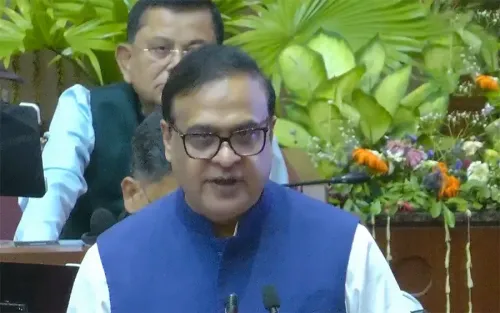
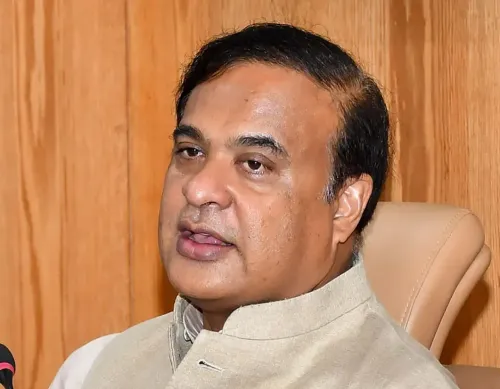
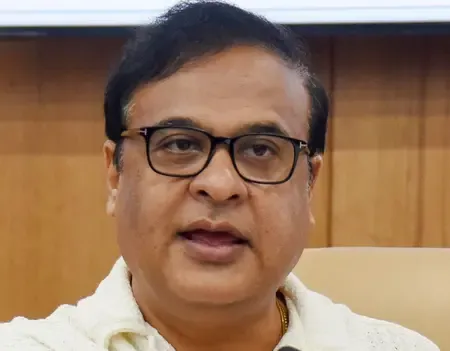
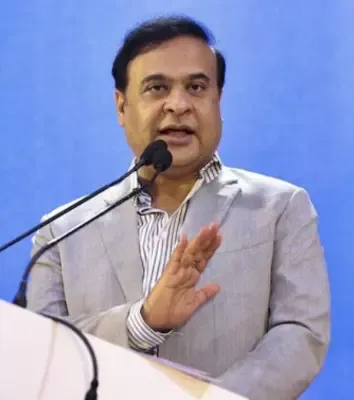
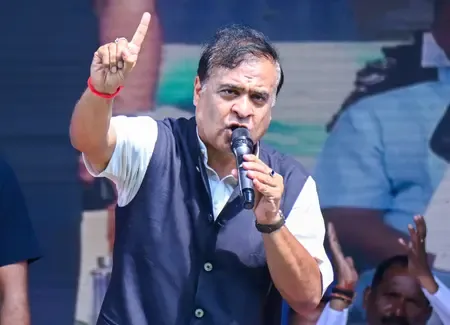
Guwahati, March 10 (NationPress) The Chief Minister of Assam, Himanta Biswa Sarma, announced on Tuesday that the state’s BJP-led administration has raised the wages of tea garden workers by over 40 percent since 2021. He criticized the previous Congress administrations for failing to support this community for many years.
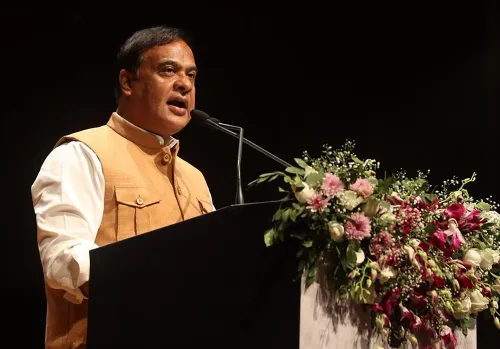
In a message shared on the social media platform X, Sarma emphasized that the state government is dedicated to enhancing the socio-economic status of tea garden laborers, commonly referred to as “Cha Shramiks”, through increased wages and various welfare initiatives.
“The contrast is evident. The BJP government has increased the wages of Cha Shramiks by more than 40 percent since 2021, while Congress merely exploited them as a vote bank for years,” Sarma stated.
Discussing the recent wage adjustment, the Chief Minister conveyed that the daily earnings of tea garden workers have been elevated by Rs 30.
Under the new wage structure, tea garden workers in the Brahmaputra Valley will receive Rs 280 per day, while those in the Barak Valley will earn Rs 258 daily.
Sarma highlighted that this wage increase is part of the government's broader initiative to recognize the significant role of tea garden workers, whom he described as the “backbone” of Assam's tea sector.
“To honor Assam's backbone, the Cha Shramiks, the government has raised their daily wages and consistently acknowledges their dedication,” he remarked.
In addition to wage increases, Sarma pointed out that the government is taking necessary steps to resolve long-standing challenges faced by tea garden communities.
He revealed that the state has implemented policies to enhance the livelihoods of tea garden workers by granting land rights, offering reservation benefits, and launching several welfare programs aimed at improving living conditions in tea garden regions.
The Chief Minister added that these efforts aim to rectify what he termed a “historical injustice” experienced by the tea garden community.
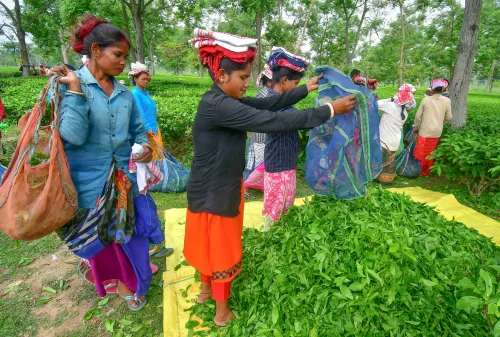
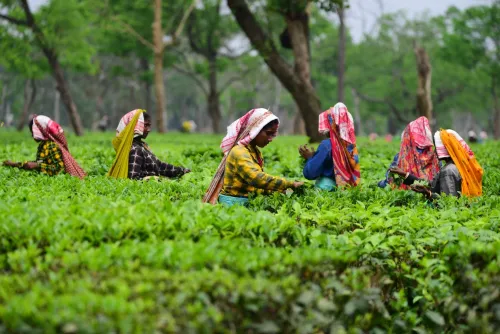
Assam boasts a substantial population of tea garden workers engaged in the vast tea industry, which is vital to the state's economy and sustains the livelihoods of millions across various districts.
Point of View
It is essential to assess the long-term effects of such initiatives on their livelihoods and the overall economy.
NationPress
30 Sept 2026
Frequently Asked Questions
What is the percentage increase in wages for Assam's tea garden workers?
The wages for tea garden workers have been increased by over 40 percent since 2021.
Who is the Chief Minister of Assam?
The current Chief Minister of Assam is Himanta Biswa Sarma.
What are the new daily wages for tea garden workers?
The new daily wage for workers in the Brahmaputra Valley is Rs 280, while in the Barak Valley, it is Rs 258.
What measures is the government taking to support tea garden workers?
The government has implemented wage hikes, granted land rights, and initiated various welfare schemes.
What does the Chief Minister say about tea garden workers?
He describes tea garden workers as the 'backbone' of Assam's tea industry.