Will the Centre's New Aadhaar-like ID for EV Batteries Enhance Tracking?
Synopsis
The Road Transport Ministry of India is spearheading a transformative initiative to assign unique identification numbers to electric vehicle batteries, akin to Aadhaar. This system aims to enhance tracking, safety, and recycling, ultimately fostering accountability within the battery ecosystem. Discover how this innovative approach could revolutionize battery management in India.
Key Takeaways
Unique Identification: Each EV battery will have a 21-character BPAN for traceability.
Data Management: Battery producers must upload pertinent information to a dedicated portal.
Focus on EVs: The guidelines prioritize electric vehicle batteries over industrial ones initially.
Transparency and Accountability: The system aims to enhance sustainability and regulatory compliance.
Stakeholder Involvement: The framework will be developed with input from various industry representatives.
New Delhi, Jan 3 (NationPress) The Ministry of Road Transport has introduced a proposal for a system that assigns a unique identification number to electric vehicle batteries, akin to the Aadhaar system, aimed at enhancing tracking, safety, and recycling.
This initiative seeks to ensure comprehensive traceability of batteries from their production to their final disposal.
According to the draft guidelines published by the ministry, each battery manufacturer or importer will be mandated to allocate a 21-character Battery Pack Aadhaar Number, or BPAN, for every battery that is released into the market or utilized for personal consumption.
Additionally, companies must upload pertinent battery information onto a dedicated BPAN portal.
The guidelines specify that the BPAN should be visibly and easily accessible on the battery.
This identification mark must be placed in a manner that prevents it from being damaged or destroyed throughout the battery's lifespan.
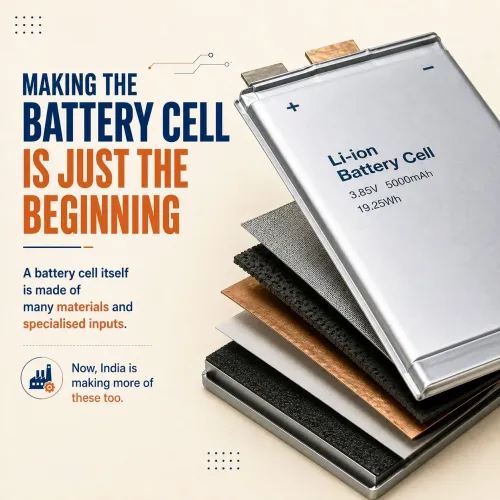
As outlined in the draft, the BPAN system will retain crucial information regarding a battery, encompassing everything from raw material extraction and manufacturing to its utilization, recycling, or ultimate disposal.
In cases where a battery is repurposed or recycled, leading to changes in its characteristics, a new BPAN must be generated by either the same or a different manufacturer or importer.
The ministry emphasized that this proposed framework aims to foster increased transparency, accountability, and sustainability within the battery ecosystem.
By monitoring battery performance and its environmental effects, this system is anticipated to facilitate improved regulatory adherence, second-life applications, and efficient recycling.
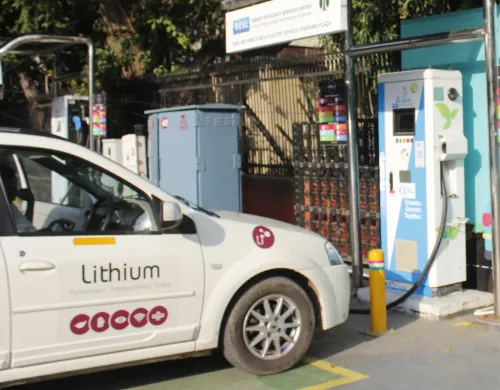
Currently, electric vehicles account for approximately 80% to 90% of India’s overall lithium-ion battery demand, significantly outpacing industrial and non-automotive applications.
Given this demand and the associated safety and regulatory issues, the draft guidelines prioritize electric vehicle batteries when establishing standards under the BPAN framework.
While the framework is suggested for industrial batteries exceeding 2 kWh, the ministry believes that concentrating on EV batteries initially will effectively address the most influential segment of India’s battery landscape.
The draft also proposes that the Battery Pack Aadhaar framework be developed through the Automotive Industry Standard channel under the Automotive Industry Standards Committee.
This approach will enable organized discussions with stakeholders, technical evaluations, and alignment with existing automotive regulations.
The committee could comprise representatives from battery manufacturers, electric vehicle producers, recyclers, testing organizations, and regulatory authorities to ensure practical challenges throughout the battery lifecycle are adequately addressed.
The ministry observed that as the world transitions towards digitalization and electrification, energy storage cells are becoming vital for reliable and efficient power supply.
Point of View
I believe that the introduction of a unique identification system for electric vehicle batteries is a significant step toward enhancing transparency and accountability in India's rapidly growing EV sector. This initiative not only addresses safety concerns but also promotes sustainability through improved recycling practices. By prioritizing electric vehicle batteries, the government is aligning with global trends towards digitalization and environmental responsibility, which is essential for the future of our energy landscape.
NationPress
30 Sept 2026
Frequently Asked Questions
What is the purpose of the proposed BPAN system?
The Battery Pack Aadhaar Number (BPAN) system aims to improve tracking, safety, and recycling of electric vehicle batteries by providing a unique identification number for each battery.
Who is required to assign the BPAN?
Every battery manufacturer or importer must assign a BPAN to each battery they produce or import for market release or self-consumption.
How will the BPAN enhance battery recycling?
The BPAN system will store key information regarding a battery's lifecycle, facilitating better recycling practices and regulatory compliance.
What information will the BPAN include?
The BPAN will include information from raw material extraction, manufacturing, usage, recycling, and final disposal of the battery.
Why is there a focus on electric vehicle batteries?
Electric vehicles account for the majority of lithium-ion battery demand in India, making it crucial to prioritize their traceability and management.