Delhi Police detain Saurabh Bharadwaj, AAP workers at Jantar Mantar protest
Synopsis
AAP's Delhi unit president Saurabh Bharadwaj was detained at Jantar Mantar on 2 October while protesting against the Election Commission over alleged irregularities in the Special Intensive Revision of electoral rolls. Despite a Section 163 clampdown and heavy security, Bharadwaj arrived alone by metro and auto — a detail that went viral — as the Opposition prepares a larger rally outside the ECI office on 6 October.
Key Takeaways
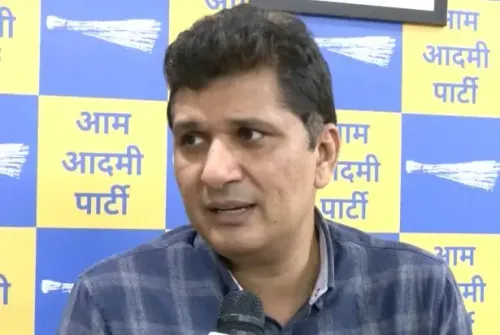
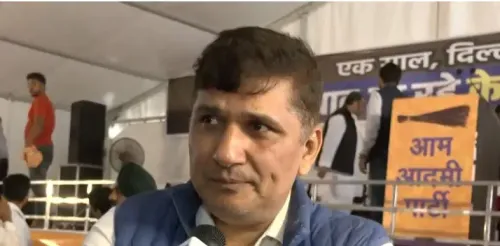
Saurabh Bharadwaj , AAP Delhi unit president, was detained by Delhi Police at Jantar Mantar on 2 October .
The protest targeted alleged irregularities in the Special Intensive Revision (SIR) of electoral rolls and called for Chief Election Commissioner Gyanesh Kumar's resignation.
Delhi Police imposed prohibitory orders under Section 163 of the BNSS across the New Delhi district, banning public gatherings and demonstrations.
Bharadwaj said he commuted to the protest site by metro and auto-rickshaw, spending just Rs 91 , and urged supporters to do the same.
The Congress , RJD , AISA , and SFI were among groups expected to join the mobilisation.
A larger Opposition rally outside the Election Commission's office is planned for 6 October as part of the 'Save Democracy' campaign.
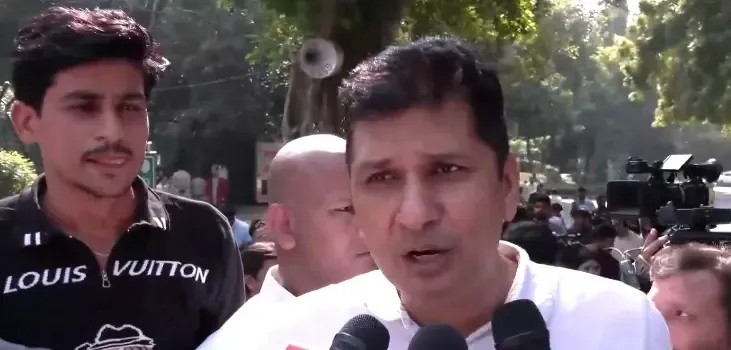
Aam Aadmi Party (AAP) leader and Delhi unit president Saurabh Bharadwaj was detained by Delhi Police on Friday, 2 October, while leading a protest against the Election Commission of India (ECI) at Jantar Mantar in New Delhi. Several AAP workers were also taken into custody as heavy security descended on the area ahead of what was shaping up to be a multi-party mobilisation.
How Bharadwaj Reached Jantar Mantar
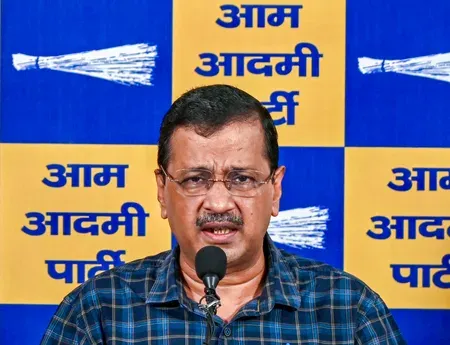
Addressing reporters before his detention, Bharadwaj described the security arrangements in the capital as excessive, drawing a pointed historical comparison. 'The whole of Delhi has been turned into a fortress right now, as if Mahmud of Ghazni is about to launch an attack,' he said. Despite barricades and restrictions, Bharadwaj said he had walked to the protest site on his own. 'I paid Rs 11 for the Metro and Rs 80 to the auto-rickshaw driver. When I can reach Jantar Mantar for just Rs 91, all our companions can reach here as well,' he told reporters, urging AAP supporters to make their way to the venue.
Why the Protest Was Called
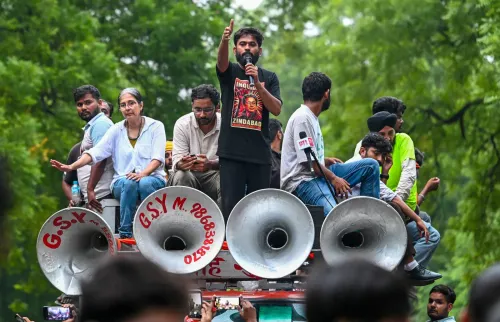
The demonstration was convened over allegations of irregularities in the Special Intensive Revision (SIR) process for electoral rolls. Opposition parties, including the Indian National Congress (Congress), Rashtriya Janata Dal (RJD), and AAP, have been vocal about concerns surrounding what they describe as 'vote theft' — a charge that encompasses alleged deletions and additions to voter rolls without adequate scrutiny. Several student organisations, including the All India Students' Association (AISA) and the Students' Federation of India (SFI), were also expected to participate. The broader campaign includes demands for the resignation of Chief Election Commissioner Gyanesh Kumar.
Police Clampdown and Section 163
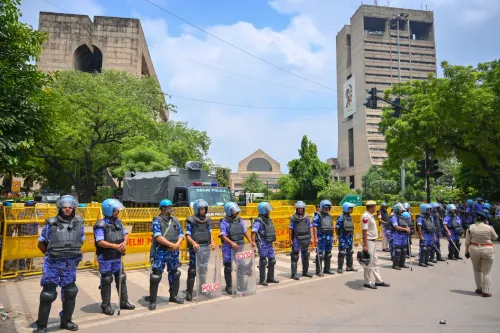
Delhi Police had denied prior permission for the gathering and imposed prohibitory orders across the New Delhi district under Section 163 of the Bharatiya Nagarik Suraksha Sanhita (BNSS), citing public safety, maintenance of order, and traffic flow. The order bans unauthorised assemblies, public speeches, slogan shouting, processions, demonstrations, and dharnas. Authorities warned that violations would invite legal action and deployed heavy personnel with barricades around Jantar Mantar ahead of the proposed mobilisation.
The Broader 'Save Democracy' Campaign
The Jantar Mantar protest is part of a wider Opposition push labelled the 'Save Democracy' campaign. Parties plan to raise concerns about the SIR exercise at the district level through marches and public meetings. A larger rally outside the Election Commission's office is scheduled for 6 October. The Election Commission, for its part, has maintained that the electoral roll revision is being conducted in accordance with established procedures, rejecting the allegations of irregularities.
What Happens Next
With the 6 October rally approaching, the Opposition is expected to escalate its campaign against the ECI. The detentions on Friday are likely to sharpen the political confrontation, giving parties fresh ammunition to frame the issue as a suppression of democratic dissent. How the Election Commission and the Centre respond before the rally will be closely watched.
Point of View
Beyond blanket procedural assurances, is becoming untenable as more parties join the campaign. What is missing from most coverage is a granular audit of the SIR data itself: if the voter-roll changes are as dramatic as Opposition parties claim, independent scrutiny would either validate or deflate those charges decisively. Until that happens, the story will be driven by protest optics rather than electoral facts.
NationPress
2 Oct 2026
Frequently Asked Questions
Why was Saurabh Bharadwaj detained at Jantar Mantar?
Saurabh Bharadwaj was detained by Delhi Police on 2 October while participating in a protest against the Election Commission over alleged irregularities in the Special Intensive Revision (SIR) of electoral rolls. Police had denied permission for the gathering and imposed prohibitory orders under Section 163 of the BNSS across the New Delhi district.
What is the Special Intensive Revision (SIR) of electoral rolls?
The Special Intensive Revision (SIR) is a process conducted by the Election Commission of India to update and clean up voter rolls, adding new eligible voters and removing ineligible entries. Opposition parties have alleged that the current round of SIR has been misused to delete or manipulate voter registrations, charges the Election Commission has denied.
What is the 'Save Democracy' campaign?
The 'Save Democracy' campaign is a coordinated Opposition effort involving parties such as AAP, Congress, and RJD, aimed at raising public concern about alleged irregularities in the electoral roll revision process. The campaign includes district-level marches and culminates in a planned rally outside the Election Commission's office on 6 October.
Who else is expected to join the protest movement?
Student organisations including the All India Students' Association (AISA) and the Students' Federation of India (SFI), along with Opposition parties such as the Rashtriya Janata Dal (RJD) and the Indian National Congress, were expected to participate in the Jantar Mantar mobilisation and the broader Save Democracy campaign.
What has the Election Commission said about the irregularity allegations?
The Election Commission of India has maintained that the Special Intensive Revision of electoral rolls is being conducted in accordance with established procedures, rejecting Opposition allegations of irregularities. The Commission has not, however, responded to specific data-level claims made by protesting parties.