CM Dhami Leads Census-2027 Self-Enumeration Drive in Uttarakhand
Synopsis
Chief Minister Pushkar Singh Dhami completed Census-2027 digital self-enumeration with his family in Dehradun, urging all Uttarakhand residents to register on se.census.gov.in before 30 November 2026, as the state's first online census window opens ahead of a house-to-house drive in December.
Key Takeaways
CM Pushkar Singh Dhami completed Census-2027 self-enumeration digitally at the Chief Minister's residence on 16 November 2026 .
Uttarakhand's non-snow-bound regions can self-enumerate online at se.census.gov.in from 16 to 30 November 2026 .
Traditional door-to-door enumeration by enumerators follows from 1 December 2026 to 4 January 2027 .
India's last completed census was in 2011 ; the 2021 round was postponed due to COVID-19 and rescheduled as Census-2027 .
Accurate population data is critical for Uttarakhand's mountainous and remote communities to receive proportionate funding for education, health, roads, and water supply.
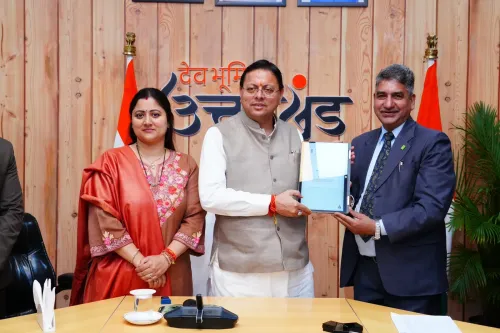
Senior state census officials including Census Secretary Deepak Kumar and Director Eva Ashish Srivastava attended the event.
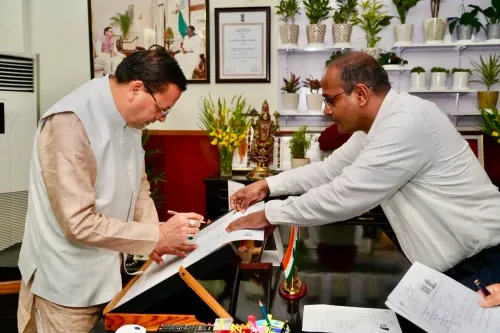
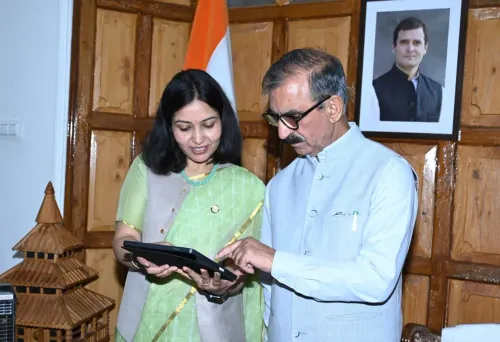
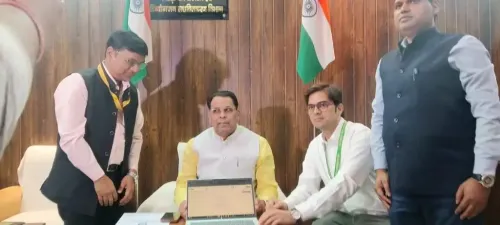
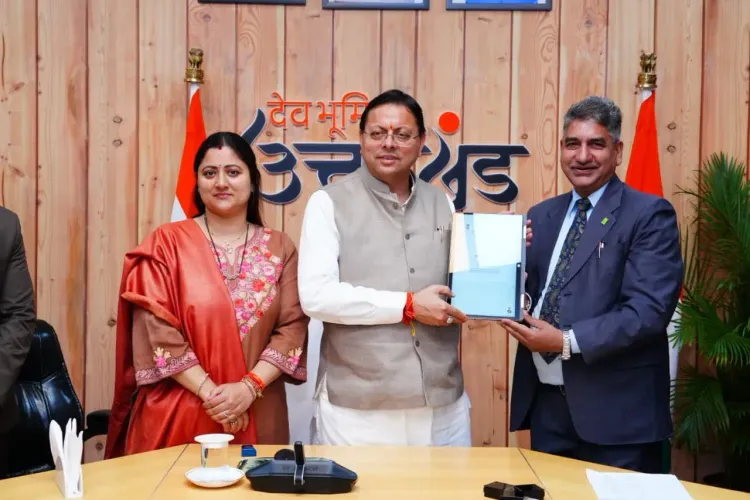
Every counted family is a funded future — and Chief Minister Pushkar Singh Dhami made that case in the most direct way possible on Monday, 16 November 2026, by sitting down with his own family at the Chief Minister's residence in Dehradun and completing India's Census-2027 digital self-enumeration on the official portal se.census.gov.in. The act was deliberate symbolism with a practical edge: Uttarakhand's self-enumeration window for non-snow-bound zones runs only until 30 November 2026, and the clock is ticking.
Why Uttarakhand's count matters more than most
Uttarakhand is not an easy state to count. Its ridgelines fracture into dozens of micro-geographies — high-altitude villages accessible only by foot for months, valley towns swelling with seasonal migration, and remote tribal hamlets that fall off enumeration maps in a bad monsoon year. The last fully completed Census of India was in 2011 — a full fifteen years ago — after the scheduled 2021 round was indefinitely postponed by the COVID-19 pandemic before eventually being rescheduled as Census-2027.
That gap is not an abstraction. District planners allocating funds for schools, primary health centres, mountain roads, and drinking-water pipelines have been working off data that predates smartphones, the expansion of the highway network into Char Dham, and an entire generation of Uttarakhandis who have come of age. Accurate numbers, CM Dhami argued, are the foundation on which every rupee of development expenditure is justified or wasted.
The digital self-enumeration window: how it works
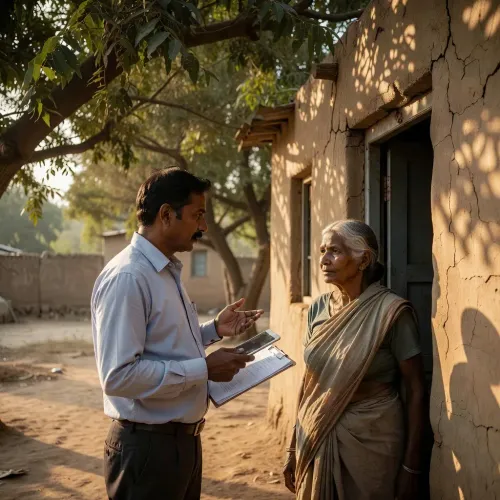
For the first time in India's census history at scale, citizens can fill in their own household data online — the 'self-enumeration' or swaganna model — without waiting for an enumerator to knock on their door. The portal se.census.gov.in is live for Uttarakhand's non-glaciated regions from 16 to 30 November 2026. After that window closes, the traditional house-to-house enumeration by trained praganaks (enumerators) begins on 1 December 2026 and runs through 4 January 2027.
Senior state census officials were present at the CM's self-enumeration event, including Census Secretary Deepak Kumar, Director of the Census Operations Directorate Uttarakhand Eva Ashish Srivastava, Joint Director Shailendra Singh Negi, and Deputy Directors Praveen Kumar and Raju Kumar Banwari, along with Assistant Director Sanjeev Kumar. The administrative weight of that roster underlined that this was not a photo op — it was an official launch signal to the state machinery.
Mountain geography, missing data, and what gets built next
CM Dhami specifically called out the stakes for Uttarakhand's hill and remote communities: reliable, area-specific population data is what determines whether a primary school gets built in a village of 200 or whether that village is lumped into a district average that obscures its need. Education, health, roads, drinking water — the state's development priority list maps almost perfectly onto the gaps that bad enumeration perpetuates.
He appealed to residents to complete self-enumeration within the stipulated period and to cooperate fully with enumerators when the door-to-door phase begins. 'Every piece of information entered in the census is important,' he said, adding that participation by each family would ensure the reliability of the final data set.
India's shift toward digital census infrastructure is a generational upgrade, but its success in terrain like Uttarakhand depends less on the technology than on the participation rate. The CM's self-enumeration — camera on, family gathered, portal open — is the state's most visible bid to get that rate up before the window shuts.
Point of View
Turning a routine administrative exercise into a visible tech-governance milestone ahead of the 2027 state political calendar.
NationPress
16 Nov 2026
Frequently Asked Questions
What is Census-2027 self-enumeration and how can I do it?
Census-2027 self-enumeration allows Indian citizens to enter their household data directly online at the official portal se.census.gov.in without waiting for an enumerator. In Uttarakhand's non-glaciated areas the window is open from 16 to 30 November 2026.
Why was the 2021 Census postponed in India?
The 2021 Census of India was indefinitely postponed due to the COVID-19 pandemic. It has since been rescheduled as Census-2027, making 2011 the last completed decennial count.
When will enumerators visit homes in Uttarakhand for Census-2027?
After the online self-enumeration window closes on 30 November 2026, trained enumerators will conduct house-to-house visits across Uttarakhand from 1 December 2026 to 4 January 2027.
Why is census data especially important for Uttarakhand?
Uttarakhand's mountainous and remote geography makes it difficult to deliver services and allocate funds accurately without reliable population data. District-level figures determine how much is spent on schools, health centres, roads, and drinking water in hill communities.
What did CM Dhami say about Census-2027?
CM Pushkar Singh Dhami said census data plays a crucial role in shaping future development plans, that each piece of information entered is important, and appealed to all Uttarakhand residents to participate in self-enumeration within the stipulated period.