Afghanistan drug crackdown: 1 tonne burned in Farah, 161 tonnes in Herat
Synopsis
Afghanistan's counter-narcotics campaign has produced its most visible results yet — nearly one tonne burned in Farah alone, and a staggering 161 tonnes destroyed in Herat after a year-long operation. With 10 drug labs also dismantled in Ghor, the scale suggests a systematic crackdown, though whether it dents production long-term remains the open question.
Key Takeaways
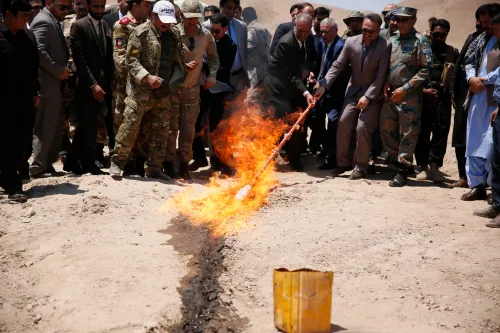
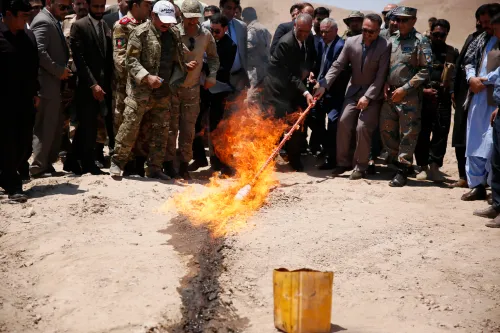
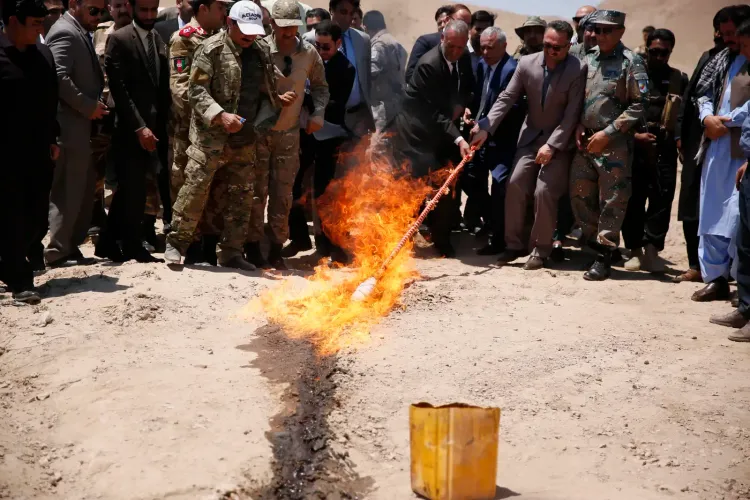
Afghan police burned nearly 1 tonne of drugs — including 955 kg of opium-type narcotics and 36 kg of methamphetamine — in Farah province on 19 October 2026 .
A suspected drug smuggler was arrested in Farah and will be handed to the judiciary after a preliminary investigation.
On 13 October , 161 tonnes of illicit narcotics were incinerated in Herat province following a year-long counter-narcotics drive.
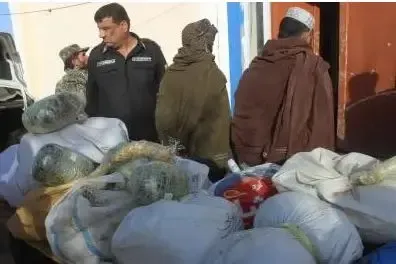
Counter-narcotics police seized 136 kg of opium-type drugs and detained 3 suspects in Helmand province on 16 October .
10 drug-processing laboratories were destroyed and heroin-manufacturing materials were discovered in Ghor province .
The Afghan government has banned poppy cultivation and drug trafficking, pledging to sustain the crackdown nationwide.
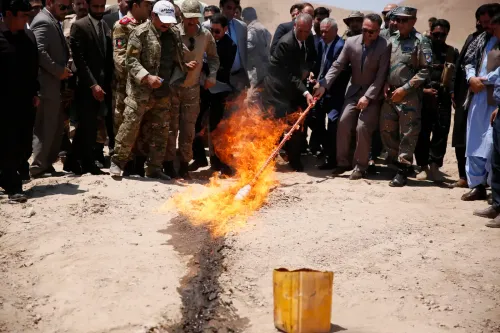
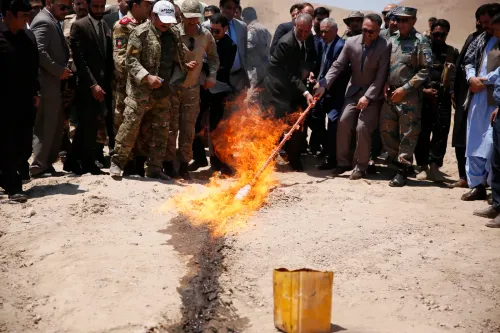
Afghan police publicly burned nearly one tonne of illegal drugs in the western province of Farah on Sunday, 19 October 2026, as the country's counter-narcotics campaign intensified across multiple provinces. Provincial police spokesman Kalimullah Nangyal confirmed the destruction on Monday, noting the haul included 955 kg of opium-type drugs and hashish, along with 36 kg of methamphetamine.
The narcotics had been seized during a series of recent operations and were publicly incinerated as a show of enforcement. Authorities also arrested a suspected drug smuggler, who will be handed over to the judiciary after the completion of a preliminary investigation, according to Nangyal.
Recent Seizures Across Provinces
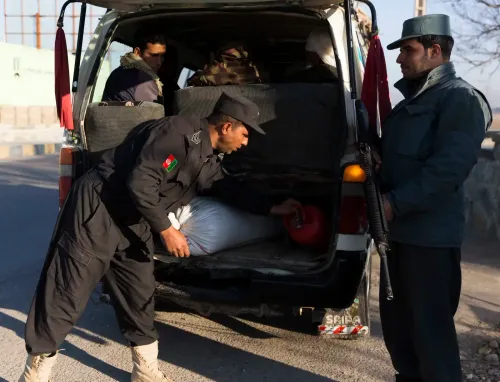
The Farah burn follows a string of enforcement actions elsewhere in Afghanistan. On 16 October, the provincial Directorate of Information and Culture in Helmand province announced that counter-narcotics police had seized 136 kg of opium-type drugs and detained three suspected smugglers. The contraband was recovered from two vehicles in Sangin district on 15 October, with the suspects similarly set for judicial handover.
161 Tonnes Incinerated in Herat
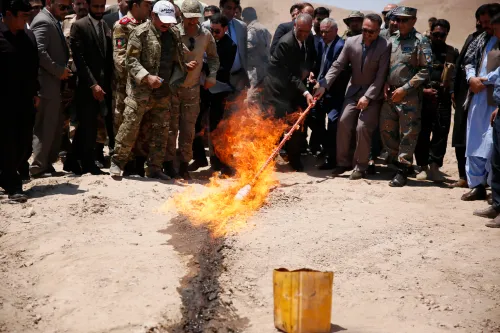
In perhaps the most significant disclosure, on 13 October, provincial police in western Herat province incinerated 161 tonnes of assorted illicit narcotics — the result of a year-long counter-narcotics campaign. Sayed Massoud Hussaini, the provincial police spokesman, said the substances were recovered through operations spanning Herat city and multiple districts across the province. Hussaini declined to specify the number of individuals arrested but vowed that police would not permit anyone to smuggle, cultivate, or process illegal drugs anywhere in Afghanistan.
Labs Destroyed, Heroin Materials Seized
As part of the broader crackdown, authorities also destroyed 10 drug-processing laboratories and uncovered a large quantity of heroin-manufacturing materials in the neighbouring Ghor province, officials reported. The discovery points to the continued presence of processing infrastructure, even as surface-level trafficking routes are being disrupted.
Government's Pledge on Drug-Free Afghanistan
The Afghan government has formally banned drug trafficking, production, and opium poppy cultivation, pledging to sustain the campaign until the country — long synonymous with poppy cultivation — becomes drug-free. This sustained push marks a stark shift from Afghanistan's historical status as the world's largest opium producer, a reality that shaped regional security dynamics for decades. Notably, the scale of recent seizures suggests enforcement has meaningfully expanded beyond symbolic operations, though independent verification of figures remains difficult given access constraints in the country.
The next test for the campaign will be whether these enforcement gains translate into sustained supply disruption — or whether production simply shifts to less-monitored districts.
Point of View
But Afghanistan's drug numbers have historically resisted independent verification. The real measure of this campaign is not how much is burned in a single event, but whether opium cultivation data over the next growing season reflects a genuine structural decline. Past crackdowns in Afghanistan and across the region have often displaced production rather than eliminated it. The destruction of 10 processing labs in Ghor is arguably the more significant signal: targeting infrastructure, not just inventory, is what disrupts supply chains. The international community will be watching closely — and sceptically.
NationPress
19 Oct 2026
Frequently Asked Questions
How many drugs were burned in Farah, Afghanistan?
Afghan police burned nearly one tonne of illegal drugs in Farah province on 19 October 2026, including 955 kg of opium-type drugs and hashish, and 36 kg of methamphetamine. The narcotics were seized during a series of recent operations and publicly incinerated.
What happened in Herat's counter-narcotics operation?
On 13 October 2026, provincial police in Herat incinerated 161 tonnes of assorted illicit narcotics collected during a year-long counter-narcotics campaign. Provincial police spokesman Sayed Massoud Hussaini said the substances were seized across Herat city and multiple districts.
Has Afghanistan intensified its drug crackdown recently?
Yes. The Afghan government has formally banned drug trafficking, production, and opium poppy cultivation, and recent operations across Farah, Herat, Helmand, and Ghor provinces reflect a widening enforcement push. Authorities also destroyed 10 drug-processing laboratories in Ghor province.
What was seized in Helmand province?
Counter-narcotics police in Helmand seized 136 kg of opium-type drugs on 15 October and detained three suspected smugglers in Sangin district. The contraband was recovered from two vehicles, and the suspects are being held for investigation pending judicial handover.
Why does Afghanistan's drug crackdown matter internationally?
Afghanistan has historically been the world's largest opium producer, and its drug trade has long fuelled regional instability and global narcotics supply chains. A sustained crackdown — if verified — could significantly affect global heroin supply and has major implications for neighbouring countries and international counter-narcotics efforts.