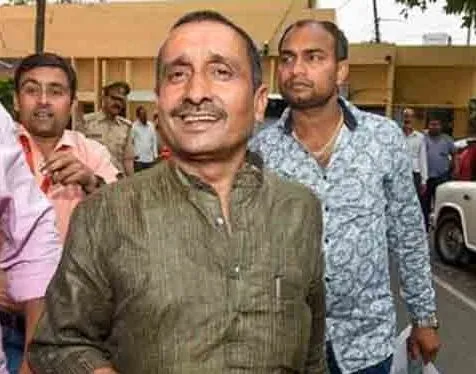
Why did SP’s Afzal Ansari criticise UP minister Daya Shankar Singh over Sengar bail remarks?
Synopsis
In a recent statement, SP MP Afzal Ansari criticized UP Minister Daya Shankar Singh's comments on Kuldeep Singh Sengar's bail in the Unnao case. This article delves into Ansari's concerns regarding judicial authority and the implications of such remarks on the legal system.
Key Takeaways
Judicial Independence: The judiciary's authority must be respected by all, including political figures.
Accountability: Government officials should be held accountable for their statements regarding legal matters.
Legal Rights: Bail is a constitutional right that should not be conflated with guilt.
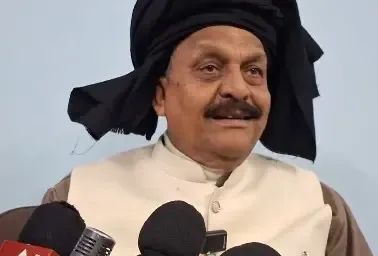
New Delhi, Dec 26 (NationPress) Samajwadi Party MP Afzal Ansari on Friday condemned Uttar Pradesh Minister Daya Shankar Singh for his remarks regarding the bail given to former MLA Kuldeep Singh Sengar in the Unnao rape case.
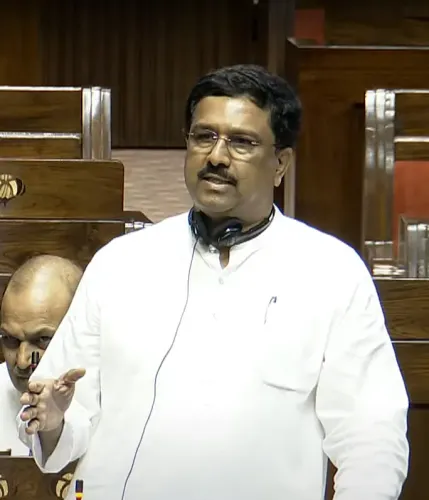
Ansari challenged the minister's assertion, questioning, “First and foremost, he was convicted by the court. It is the judiciary that determines guilt or innocence. Has the minister placed himself above the court to make such a statement?”
Speaking to reporters, Ansari expressed that such comments reveal a troubling mindset within the ruling party. “In our nation, the ruling party seems to believe they are above the judiciary. Those granted bail are labeled as convicted, while the innocent are considered accused,” he remarked.
He further claimed that government officials often act as though they are immune to legal repercussions, whereas regular citizens are subjected to rigorous legal scrutiny. “In this administration, there exists a mentality that any FIR against them or any ruling won't lead to trial, but for others, if no such claim exists, they fabricate false cases to ensnare them in court,” Ansari stated.
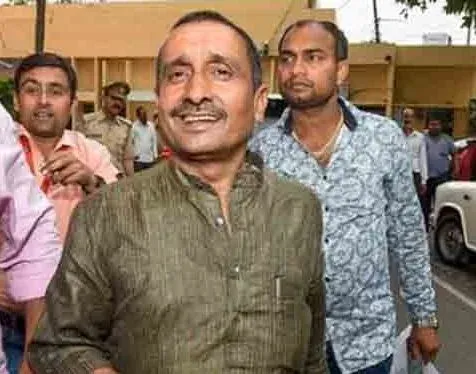
These comments follow the recent decision by the Delhi High Court to grant bail to Kuldeep Singh Sengar, who was previously convicted in a high-profile case involving the sexual assault of a minor in Unnao. Minister Daya Shankar Singh remarked on the ruling, stating, “The judiciary made the right decision. He received bail a bit late, but we welcome the ruling.” This statement drew backlash from opposition figures, who accused him of undermining judicial authority.
The Unnao case, which captured national attention, previously resulted in Sengar's conviction and a life sentence.
The recent bail from the Delhi High Court is part of his ongoing legal appeals. Legal analysts have emphasized that bail is a constitutional right and does not necessarily indicate the final adjudication of guilt, a nuance that Ansari underscored in his critique.
Point of View
It's crucial to recognize the delicate balance between government authority and judicial independence. Afzal Ansari's critique of Daya Shankar Singh serves as a reminder of the importance of upholding the rule of law and respecting judicial decisions. The comments made by Singh are not merely political rhetoric; they raise significant questions about accountability and the perception of justice in our society. It's essential that the nation fosters a healthy dialogue around these issues to ensure our democratic principles are upheld.
NationPress
25 Sept 2026
Frequently Asked Questions
What were Daya Shankar Singh's remarks about Kuldeep Singh Sengar's bail?
Daya Shankar Singh stated that the judiciary made the right decision regarding Sengar's bail, albeit a bit late, expressing support for the ruling.
What is the significance of the Unnao rape case?
The Unnao rape case is significant due to its high-profile nature, involving the sexual assault of a minor and the subsequent conviction of Kuldeep Singh Sengar, which has drawn nationwide attention.
What is Afzal Ansari's main concern regarding Singh's comments?
Afzal Ansari expressed concern that Singh's remarks reflect a troubling mindset within the ruling party, suggesting they believe they are above the judiciary.