Should the Government Challenge Kuldeep Sengar's Bail in the Supreme Court?

Synopsis
Political turmoil has erupted after the Delhi High Court allowed Kuldeep Sengar, a convicted rapist, conditional bail. As leaders voice their opinions, the question arises: should the government challenge this controversial ruling in the Supreme Court? The implications of this decision resonate deeply within the justice system and societal norms.
Key Takeaways
Conditional bail granted to Kuldeep Sengar by the Delhi High Court.
Political leaders call for government intervention.
Strict conditions imposed on Sengar's bail.
Concerns over judicial bias raised by Congress leader.
Ongoing impact of the Unnao rape case on public sentiment.
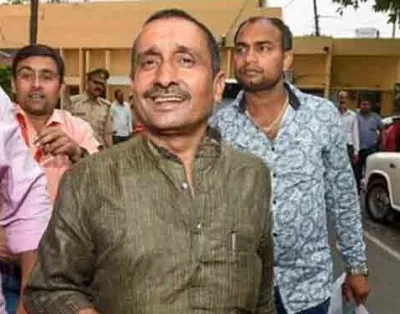
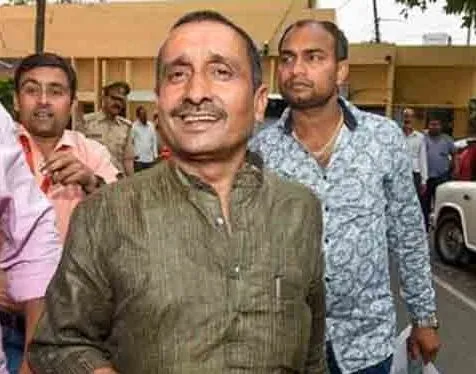
New Delhi, Dec 24 (NationPress) Political reactions have surged following the Delhi High Court’s ruling to grant conditional bail to expelled BJP leader Kuldeep Singh Sengar, who was sentenced to life imprisonment for his involvement in the 2017 Unnao rape case.
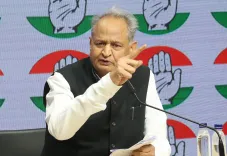
In a strong response to the court's decision, Congress leader Udit Raj criticized the ruling and urged the government to appeal in the Supreme Court. He stated, “The government must take action and challenge the ruling in the Supreme Court. Judges handling sensitive cases should maintain impartiality, and in this instance, I perceive bias considering the severity of the crime.”
Highlighting the seriousness of the offense, he remarked, “While there are numerous serious cases, this one received significant media attention. If a judiciary allows the suspension of a life sentence for someone responsible for multiple deaths, it is a grave mistake. The government ought to appeal, and this individual deserves the death penalty.”
R.K. Verma, Deputy Chief Whip of the Samajwadi Party, responded cautiously, asserting that the judiciary's domain should remain untouched. “This is a judicial matter, and I refrain from commenting on the court’s decision. Nonetheless, our thoughts are with the victim’s family,” Verma stated.
The Leader of Opposition in the Uttar Pradesh Assembly, Mata Prasad Pandey, acknowledged the judicial process, saying, “The court has rendered its decision, granting bail, so what can we do?”
On Tuesday, the Delhi High Court provided conditional relief to Kuldeep Sengar by suspending his life sentence as he appeals his conviction. Justices Subramonium Prasad and Harish Vaidyanathan Shankar oversaw the decision to release him on bail.
The court mandated that Sengar post a personal bond of Rs 15 lakh along with three sureties of the same amount. He must adhere to strict conditions, including a requirement to stay at least five kilometers away from the survivor’s home and to remain within Delhi during the bail period.
Furthermore, Sengar must report weekly to the local police station, avoid any attempts to threaten or influence the survivor or her mother, and submit his passport to the trial court. The High Court clarified that any breach of these conditions would lead to the cancellation of bail.
Point of View
It is crucial to uphold the integrity of the judicial system while ensuring justice for victims. The outcry from political leaders reflects a significant concern regarding perceived leniency in handling serious criminal offenses. Balancing legal processes with public sentiment is vital in maintaining trust in the justice system.
NationPress
14 Sept 2026
Frequently Asked Questions
What was the basis for Kuldeep Sengar's bail?
The Delhi High Court granted conditional bail to Kuldeep Sengar while his appeal against the conviction is pending, suspending his life sentence.
What are the conditions of Sengar's bail?
Sengar must provide a personal bond, stay away from the survivor's home, remain in Delhi, report weekly to the police, and avoid contact with the survivor or her family.
What is the reaction from political leaders regarding the bail?
Political leaders, including Udit Raj from Congress, have criticized the ruling and called for the government to appeal in the Supreme Court.
How has the public responded to this decision?
The public response has been one of outrage and concern, emphasizing the need for justice in high-profile cases.
What is the significance of the Unnao rape case?
The Unnao rape case has highlighted issues of violence against women and the need for stringent justice measures in India.