Ahmedabad food safety drive: 2,832 kg seized, 148 notices in 16 days
Synopsis
Ahmedabad's civic body destroyed over 2.8 tonnes of unhygienic food and issued 148 notices in just 16 days — and that's not the headline. The AMC's simultaneous crackdown on misleading product names, from 'vanilla ice cream' to fake pure ghee and aluminium passed off as silver leaf, points to a systemic mislabelling problem in one of India's largest food retail markets.
Key Takeaways
The AMC Food Safety Department destroyed 2,832 kg and 322 litres of unhygienic food between 1 and 16 November 2026 .
479 food establishments were inspected; 148 notices issued and ₹4.34 lakh in administrative charges collected.
141 food samples were sent for lab analysis; 4 were declared non-standard or unsafe , including silver leaves from H.M.
Ltd. near Kalupur Circle.
AMC warned businesses against selling products under misleading names, citing frozen dessert as ice cream and vegetable fat as pure ghee.
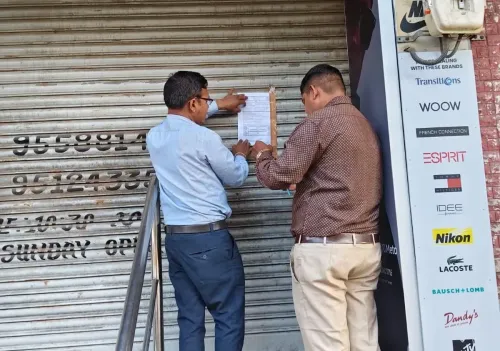
Violations can attract sealing of premises and suspension of food licences under the Food Safety and Standards Act, 2006 .
Intensive inspections are set to continue, with a focus on licence validity and hygiene compliance.
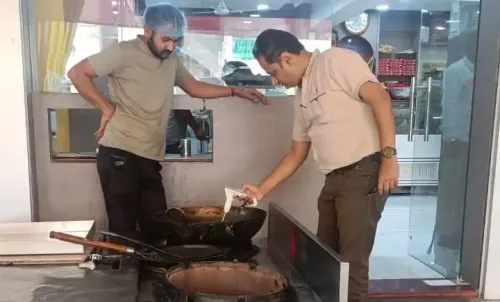
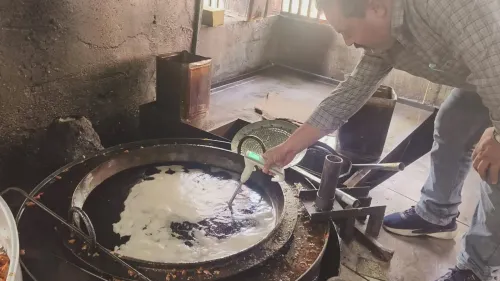
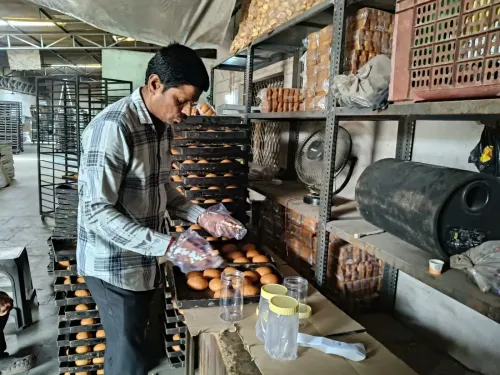
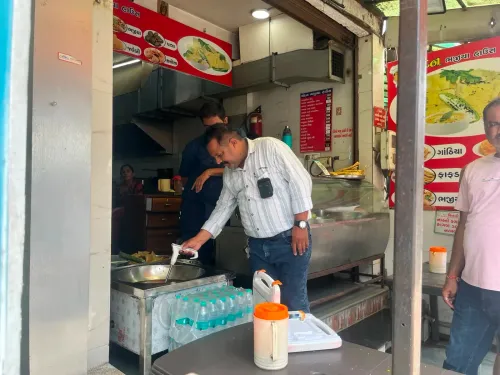
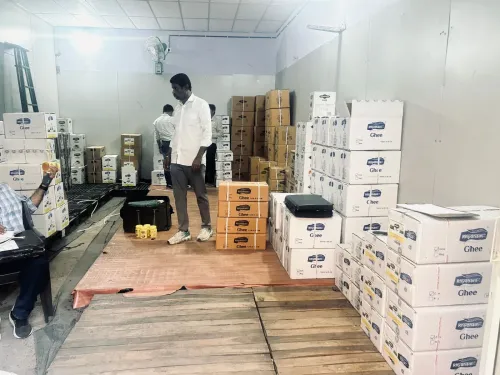
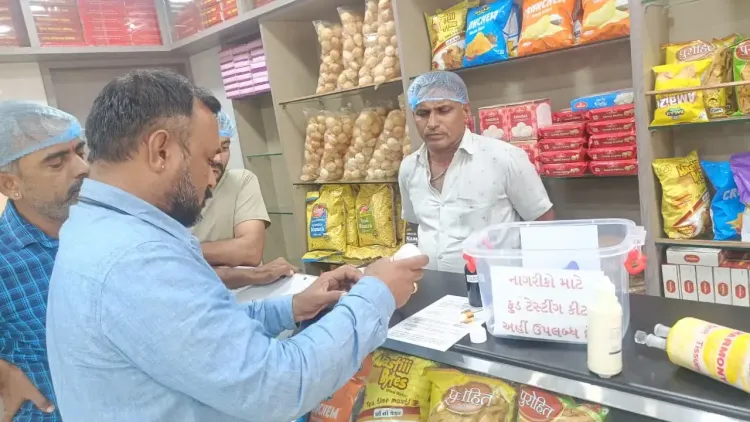
The Ahmedabad Municipal Corporation (AMC) destroyed 2,832 kg and 322 litres of food products deemed unhygienic and issued 148 notices to food businesses across Ahmedabad between 1 and 16 November 2026, as part of an intensified food safety enforcement drive. The crackdown, led by the AMC's Food Safety Department, signals a sharp escalation in civic scrutiny of the city's food supply chain.
Scale of the Drive
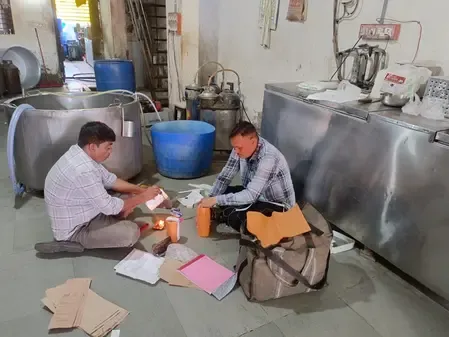
Over the 16-day period, AMC teams inspected 479 food business establishments and collected administrative charges totalling ₹4.34 lakh. Inspectors conducted 115 TPC (Total Plate Count) tests and collected 141 food samples for laboratory analysis. Of these, four samples were declared either non-standard or unsafe.
The sample categories covered 65 varieties of sweets, 21 namkeen products, 6 mouth fresheners, 9 bakery items, and 33 other food products, reflecting a broad sweep across common retail food segments.
Which Establishments Were Found Violating Norms
Three samples were declared substandard: low-fat paneer from the Vivek China Town food cart in Ambawadi, sweet mawa from Patel Chaturbhai Shivram in Manek Chowk, and mixed chavana from Shiv Shakti Chavana and Sweet Mart in Vatva. A fourth sample — silver leaves collected from H.M. Varkhvala Pvt. Ltd., located near Kalupur Circle outside Kalupur Darwaja — was declared unsafe food.
The AMC confirmed that action has been initiated against all respective food business operators under the Food Safety and Standards Act, 2006.
Warning on Misleading Product Names
In a parallel advisory, the AMC cautioned food businesses against selling products under deceptive names. A product labelled 'vanilla frozen dessert' by its manufacturer, for instance, cannot be marketed to consumers as 'vanilla ice cream'. Similarly, items containing vegetable fat must not be advertised as conventional cheese, butter, or pure ghee.
The department also flagged specific suspected adulteration patterns: vegetable oil or vegetable ghee in products sold as pure ghee, sugar syrup passed off as honey, coloured vegetable fibres marketed as saffron, aluminium coating disguised as silver leaf, and dried papaya seeds mixed into whole black pepper. During inspections, teams will cross-verify manufacturers' original labels, purchase invoices, and the product names displayed to customers.
Penalties and Compliance Requirements
Establishments found in violation face legal action under the Food Safety and Standards Act and the Gujarat Provincial Municipal Corporations Act, including sealing of premises and suspension of food licences. Hotels, restaurants, ice cream parlours, bakeries, sweet shops, and caterers have been directed to display accurate product names on menus, digital listings, and sales bills, and to keep original labels and purchase invoices available on-site for verification.
The AMC has also urged consumers to verify product labels at the point of purchase, demand bills, and report suspected mislabelling to the Food Safety Department with photographs of the packaging, menu, or online listing.
What Comes Next
The AMC stated that intensive inspections will continue in the coming days, with a sharper focus on hygiene standards and the validity of food licences and registrations. With the festival and wedding season in full swing — a period historically associated with high food adulteration risk — the drive is likely to widen in both scope and enforcement action.
Point of View
Four failed samples out of 141 — suggest detection rates that remain low relative to the scale of Ahmedabad's food ecosystem, raising questions about whether the drive is a genuine enforcement push or a periodic compliance exercise. The more revealing detail is the advisory on mislabelled products: the fact that the civic body felt compelled to spell out that 'frozen dessert' cannot be sold as 'ice cream' points to a normalised culture of consumer deception in food retail. With no independent audit of AMC's own testing protocols or lab turnaround times disclosed, the credibility of the drive rests almost entirely on self-reported data — a gap that needs closing if the initiative is to build lasting public trust.
NationPress
17 Nov 2026
Frequently Asked Questions
What did the Ahmedabad Municipal Corporation find during its November 2026 food safety drive?
The AMC inspected 479 food establishments between 1 and 16 November 2026, destroying 2,832 kg and 322 litres of unhygienic food and issuing 148 notices. Of 141 lab samples, four were declared non-standard or unsafe, including silver leaves found to be unsafe food.
Which food businesses failed the AMC's safety tests in Ahmedabad?
Three establishments were found to be selling substandard products: Vivek China Town food cart in Ambawadi (low-fat paneer), Patel Chaturbhai Shivram in Manek Chowk (sweet mawa), and Shiv Shakti Chavana and Sweet Mart in Vatva (mixed chavana). H.M. Varkhvala Pvt. Ltd. near Kalupur Circle had its silver leaves declared outright unsafe.
What penalties can food businesses in Ahmedabad face for violations?
Businesses found violating food safety norms can face legal action under the Food Safety and Standards Act, 2006, and the Gujarat Provincial Municipal Corporations Act, including sealing of premises and suspension or cancellation of food licences, depending on the severity of the violation.
What mislabelling practices has the AMC warned Ahmedabad food businesses against?
The AMC has warned against selling products under names that differ from the manufacturer's original label — for example, marketing a 'vanilla frozen dessert' as 'vanilla ice cream', or selling vegetable fat products as pure ghee, conventional butter, or cheese. Inspectors will cross-check menus, online listings, and sales bills against original labels and purchase invoices.
How can Ahmedabad consumers report food adulteration or mislabelling?
The AMC has urged consumers to verify product labels at the point of purchase, insist on bills, and report any misleading sales practices to the AMC Food Safety Department along with photographs of the product packaging, menu, or online listing.