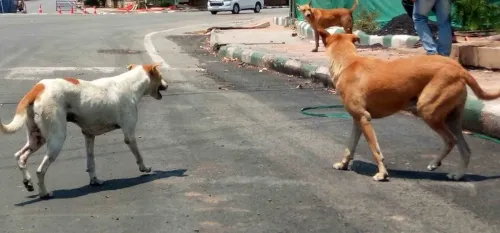
Ahmedabad hits 89% stray dog sterilisation under rabies control drive
Synopsis
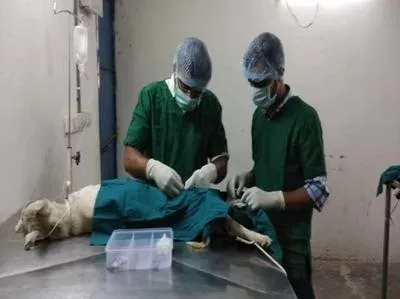
Ahmedabad has sterilised nearly 1.89 lakh stray dogs over seven years and is now deploying RFID microchips, a 48-ward GPS census, and 19,535 pet registrations to back India's Zero Rabies by 2030 goal — making it arguably the country's most data-driven urban stray dog management programme.
Key Takeaways
AMC has achieved approximately 89% sterilisation coverage of stray dogs under its Animal Birth Control (ABC) programme .
Around 1,88,828 stray dogs have been sterilised over seven years at a total cost of roughly ₹18.11 crore .
15,000 RFID microchips procured this year at ₹50.53 lakh ; 5,390 dogs already tagged across seven zones .
A scientific dog census launched in April 2026 covers all 48 wards ; full reporting expected by March 2027 .
Ahmedabad has recorded 19,535 pet dog registrations , significantly higher than comparable drives in other major cities.
The programme supports India's NAPRE-2030 target of zero rabies deaths by 2030 .
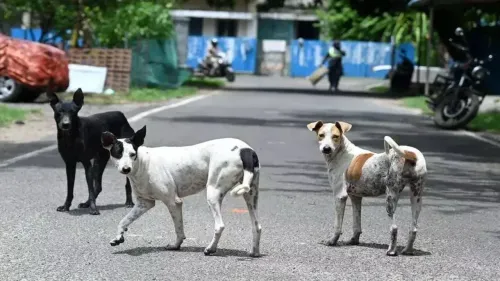
The Ahmedabad Municipal Corporation (AMC)'s Cattle Nuisance Control Department (CNCD) has achieved approximately 89 per cent sterilisation coverage of stray dogs under its Animal Birth Control (ABC) programme, officials confirmed on 2 June 2026. The city is simultaneously running large-scale anti-rabies vaccination, RFID microchipping, and a newly launched scientific dog census — all aligned with India's National Action Plan for Rabies Elimination (NAPRE-2030), which targets zero rabies deaths by 2030.
Scale of the Sterilisation Drive
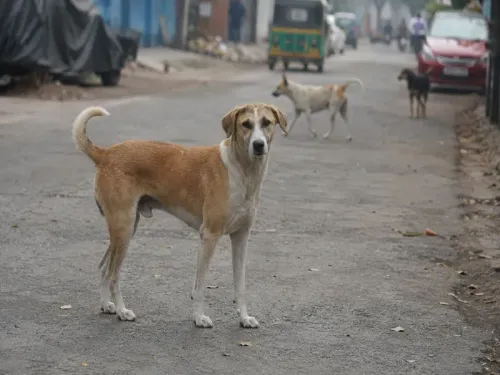
Over the past seven years, AMC has sterilised approximately 1,88,828 stray dogs at a total expenditure of roughly ₹18.11 crore, according to AMC data. The programme, which commenced in 2019-20, has recorded 7,571 anti-rabies vaccinations in the current year alone, up to 31 May 2026. A 2019 estimate placed Ahmedabad's stray dog population at around 2.10 lakh, a figure officials say the city continues to manage through sustained sterilisation and vaccination cycles.
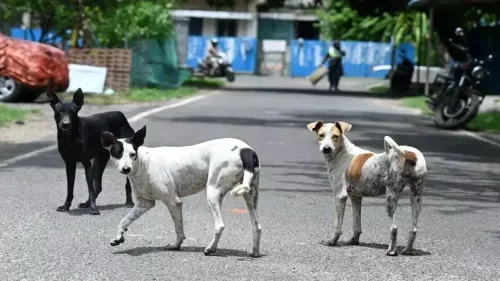
Officials noted a visible impact on the ground: localities that earlier had groups of six to seven stray dogs have seen numbers reduce to two or three, attributed in part to the decline in puppy births following sterilisation.
Microchipping: A Digital Aadhaar for Stray Dogs
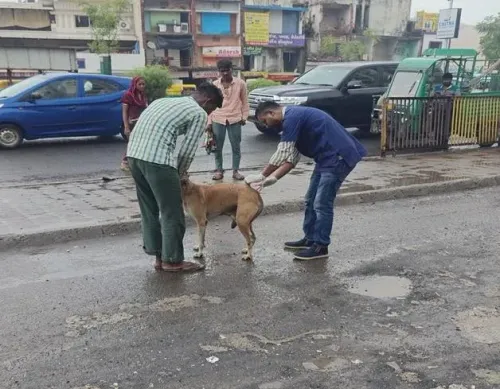
CNCD Head of Department Naresh Rajput described the RFID microchipping system as 'one kind of Aadhaar for cattle,' now extended to stray dogs to maintain life-cycle medical records. Each chip carries a 12-digit identification number readable through scanners, storing sterilisation and vaccination history and flagging when annual rabies booster doses are due.
Rajput said, 'If we vaccinate a dog, how will we know when the next dose is due? The microchip stores all data like the Aadhaar or PAN number.'
AMC has procured 15,000 microchips this year at a cost of approximately ₹50.53 lakh, sourced through authorised Indian distributors of a France-based company and certified by ICAR-related animal research bodies. As of the latest data, 5,390 dogs have already been tagged across seven zones — Central, North, South, East, West, North-West, and South-West.
Scientific Census Across 48 Wards
AMC launched a scientific dog census in April 2026, covering all 48 wards using an app-based system with geo-tagging and live monitoring. The Behrampura ward has been fully completed, recording 4,906 stray dogs — including 3,019 sterilised males, 1,467 sterilised females, 224 unsterilised males, 105 unsterilised females, 63 puppies, 23 lactating females, and five dogs marked unknown due to field identification difficulties.
Unsterilised dogs flagged through the app are immediately prioritised for capture and sterilisation, Rajput said. The full census, which includes GPS-tagged photography, ward-wise mapping, and real-time database integration, is expected to be completed in phases with full reporting anticipated by March 2027.
Pet Dog Registration and Awareness Outreach
Ahmedabad has recorded 19,535 pet dog registrations under AMC-led enforcement, a figure Rajput contrasted with comparable drives in cities like Mumbai, which reportedly have not crossed 500–1,000 registrations in similar contexts. This comes amid broader awareness campaigns covering approximately 1,050 institutions — including schools, colleges, health facilities, sports complexes, bus depots, and railway stations — under the city's Information, Education and Communication (IEC) initiative.
The programme also encompasses dog bite case management, identification of feeding spots, infrastructure expansion, and capacity building, positioning Ahmedabad as one of the more comprehensively structured urban rabies control models in India. With the census set to conclude by early 2027, the city's next challenge is sustaining annual vaccination cycles over a typical dog lifespan of 12–15 years.
Point of View
App-based geo-tagged census, and real-time ward-level dashboards are the kind of systems that could actually sustain a 12-to-15-year vaccination cycle, which is where most urban rabies programmes historically collapse. The contrast with Mumbai's pet registration figures, if accurate, points to a governance gap that is as much about political will as it is about resources. Whether Ahmedabad's model can be replicated at scale — or whether it remains a well-documented exception — is the question that NAPRE-2030 will ultimately answer.
NationPress
18 Oct 2026
Frequently Asked Questions
What is Ahmedabad's Animal Birth Control programme for stray dogs?
It is an AMC-run sterilisation and anti-rabies vaccination initiative that began in 2019-20 and has so far sterilised approximately 1,88,828 stray dogs at a cost of around ₹18.11 crore. The programme now also includes RFID microchipping and a scientific census across all 48 wards.
How does the RFID microchipping system work for stray dogs in Ahmedabad?
Each microchip carries a 12-digit identification number that stores a dog's sterilisation and vaccination history, readable by AMC field scanners. The system flags when annual rabies boosters are due, ensuring continuity of medical records over the animal's lifespan.
What is the Zero by 2030 rabies elimination goal?
It refers to India's National Action Plan for Rabies Elimination (NAPRE-2030), which targets zero human deaths from dog-mediated rabies by 2030. Ahmedabad's integrated sterilisation, vaccination, and census programme is aligned with this national goal.
What did the Behrampura ward census find?
The Behrampura ward, the first to be fully covered under the April 2026 scientific census, recorded 4,906 stray dogs, including 3,019 sterilised males, 1,467 sterilised females, 224 unsterilised males, 105 unsterilised females, 63 puppies, and 23 lactating females.
When will Ahmedabad's full stray dog census be completed?
The 48-ward census, which uses GPS-tagged photography, geo-tagging, and real-time database integration, is being conducted in phases. Full reporting is anticipated by March 2027, according to AMC officials.