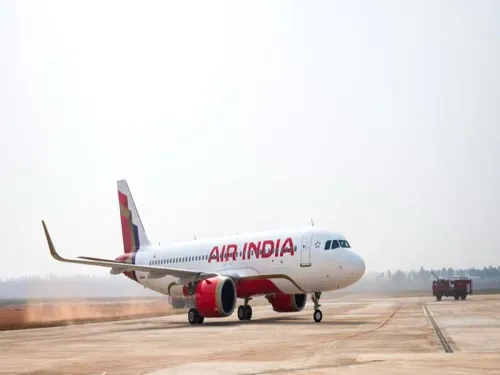
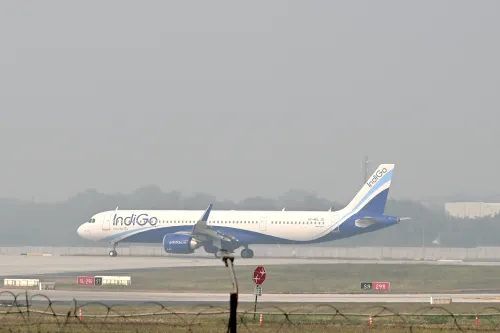
Air India, IndiGo hike fuel surcharge on domestic, international routes
Synopsis
India's three biggest carriers — Air India, Air India Express, and IndiGo — have raised fuel surcharges within days of each other, with ATF costs reportedly at their highest in a decade. The coordinated hike, triggered by Middle East-driven energy market stress, means passengers booking new tickets from 6–9 October will pay up to ₹1,300 more on long domestic routes and up to $215 extra on transatlantic fares.
Key Takeaways
Air India and Air India Express revised domestic fuel surcharges to ₹400–₹1,200 , effective new bookings from 9 October 2026 .
IndiGo moved first, revising charges from 6 October , citing a month-on-month ATF cost rise exceeding 14% — among the highest in a decade.
IndiGo's domestic surcharges range from ₹375 (under 500 km) to ₹1,300 (over 2,000 km).
Air India's international surcharge is set at $215 for North America, $210 for Australia, $135 for Europe, and $55 for West Asia.
All three carriers cited Middle East geopolitical developments and sustained pressure on global energy markets as the cause.
Only new bookings are affected; existing tickets remain at previously charged rates.
Air India, Air India Express, and IndiGo have announced increases in fuel surcharges on domestic and select international routes, effective October 2026, citing a sharp rise in Aviation Turbine Fuel (ATF) prices driven by geopolitical instability in the Middle East. Flyers booking new tickets from 9 October onwards will pay higher levies, with domestic one-way surcharges ranging from ₹375 to ₹1,300 depending on the airline and route distance.
Air India and Air India Express Revised Surcharges
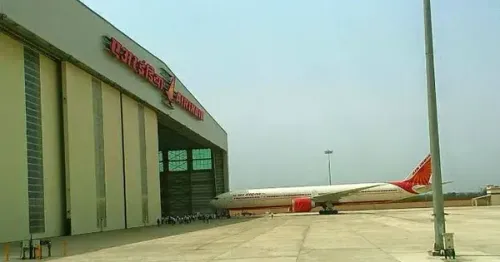
The Tata Group carriers have revised their one-way domestic fuel surcharge in four distance slabs. Flights up to 500 km will carry a levy of ₹400, journeys between 501 and 1,000 km will attract ₹600, and routes covering 1,001–1,500 km will be charged ₹850. Flights above 1,500 km — including those over 2,000 km — will carry the highest domestic slab of ₹1,200.
For Air India Express, the revised surcharge applies to all new bookings made from 0000 hours IST on 9 October. Air India's revised rates kick in for bookings from 1100 hours IST on 9 October, the airline confirmed in a statement.
On international routes, Air India has set the surcharge at $215 for North America, $210 for Australia, $135 for Europe (including the UK), and $55 for West Asia and the Middle East.
IndiGo's Revised Charges and ATF Cost Warning
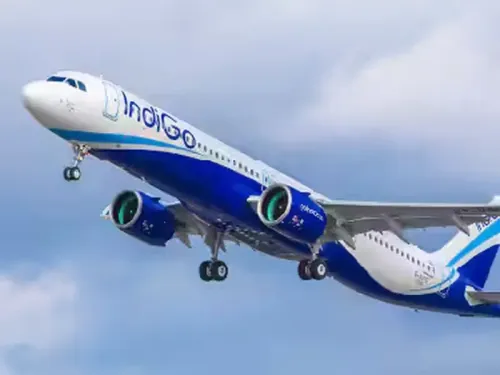
IndiGo moved first, revising its fuel charges for all new bookings made from 0001 hours on 6 October. The airline cited a month-on-month ATF cost increase of more than 14%, describing current fuel costs as 'amongst the highest in the last decade.'
Under IndiGo's revised domestic structure, passengers on routes up to 500 km pay ₹375; routes of 501–1,000 km attract ₹600; 1,001–1,500 km routes carry ₹900; journeys of 1,501–2,000 km are charged ₹1,150; and flights beyond 2,000 km carry a surcharge of ₹1,300.
On international sectors, IndiGo has structured the levy by region: ₹1,000 for SAARC routes up to 500 km and ₹3,000 for SAARC routes above that. Flights to Southeast Asia, the Gulf Cooperation Council (GCC), the Middle East, and North and East Asia will attract ₹5,500. The surcharge for Africa is set at ₹6,000, while passengers flying to Europe will pay ₹10,000. IndiGo stated its revised charges were deliberately kept below the actual increase in fuel costs to limit the burden on passengers.
Why ATF Prices Have Surged
The Tata Group airlines attributed the surcharge revision to sustained volatility in ATF prices, which have remained under pressure amid ongoing geopolitical developments and tightening global energy markets. Fuel accounts for a substantial share of airline operating expenditure, and the carriers said the latest ATF increase had pushed costs to levels requiring a fare adjustment. This is not the first such revision in the current conflict cycle — airlines have repeatedly flagged fuel as the primary variable cost risk since hostilities in the Middle East intensified.
Impact on Passengers
Travellers booking tickets for short-haul routes — under 500 km — face a comparatively modest increase, while those on longer domestic sectors and international itineraries will see more material additions to their base fares. The surcharge applies to new bookings only; tickets already purchased are unaffected. With all three major carriers now having revised their surcharges upward within days of each other, passengers have limited alternatives to absorb the additional cost. How long the elevated surcharges persist will depend on the trajectory of global crude prices and any resolution — or further escalation — of the Middle East conflict.
Point of View
It signals a market-wide cost reset rather than a one-airline move — passengers have nowhere to arbitrage. The deeper concern is structural: Indian airlines have long faced among the highest ATF costs in Asia due to taxation, and Middle East volatility now compounds a pre-existing disadvantage. IndiGo's admission that ATF is at a decade-high should prompt a wider policy conversation about whether the aviation fuel tax regime needs recalibration, not just airline-level surcharge management.
NationPress
8 Oct 2026
Frequently Asked Questions
Why are Air India and IndiGo increasing fuel surcharges in October 2026?
The airlines have raised fuel surcharges because Aviation Turbine Fuel (ATF) prices have surged sharply, with IndiGo citing a month-on-month increase of more than 14% — among the highest ATF costs in the last decade. The Tata Group airlines attributed the rise to geopolitical developments in the Middle East and sustained pressure on global energy markets.
How much more will passengers pay under the revised Air India fuel surcharge?
Air India and Air India Express have set one-way domestic surcharges at ₹400 for flights up to 500 km, ₹600 for 501–1,000 km, ₹850 for 1,001–1,500 km, and ₹1,200 for routes beyond 1,500 km. International surcharges range from $55 for West Asia routes to $215 for North America.
From when do the revised fuel surcharges apply?
IndiGo's revised charges apply to new bookings made from 0001 hours on 6 October. Air India Express changes take effect from 0000 hours IST on 9 October, and Air India's revised rates apply to bookings from 1100 hours IST on 9 October. Already-purchased tickets are not affected.
What are IndiGo's revised international fuel surcharges?
IndiGo has set international surcharges at ₹1,000–₹3,000 for SAARC routes, ₹5,500 for Southeast Asia, GCC, Middle East, and North and East Asia, ₹6,000 for Africa, and ₹10,000 for Europe. The airline said the revised amounts were kept below its actual fuel cost increase to limit passenger impact.
Will flight ticket prices continue to rise if Middle East tensions persist?
That depends on the trajectory of global crude oil and ATF prices. Airlines have indicated that surcharge levels will vary with fuel costs, meaning a further escalation of the Middle East conflict could trigger additional revisions. Conversely, a de-escalation or crude price correction could ease the pressure.