IndiGo to slash domestic capacity by 7% in June–August 2026

Synopsis
India's two largest carriers — IndiGo and Air India — are pulling back domestic capacity simultaneously this summer, with IndiGo cutting up to 7% and Air India slashing 22%. The twin rollbacks, driven by post-peak demand softness and crude-price volatility tied to the Iran conflict, signal that Indian aviation's post-COVID growth sprint may be hitting a seasonal and structural speed bump.
Key Takeaways
IndiGo will reduce domestic capacity by 5–7 per cent from June to August 2026 .
The airline has already cut international capacity by nearly 17 per cent as part of schedule adjustments.
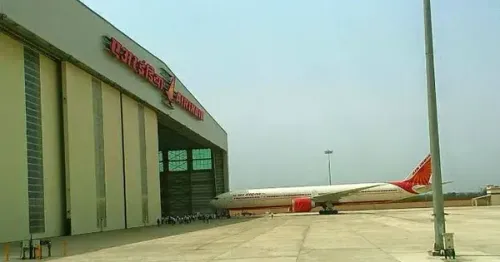
Air India announced a 22 per cent domestic capacity reduction for June–July , preceding IndiGo's move.
Sources close to IndiGo said the cuts are demand-driven and 'nothing related to ATF.' Aviation turbine fuel accounts for nearly a quarter of airline operating costs; the Iran conflict and a weakening rupee have added pressure.
A smoke scare was reported on IndiGo flight 6E 6017 at Kempegowda International Airport, Bengaluru on Tuesday.
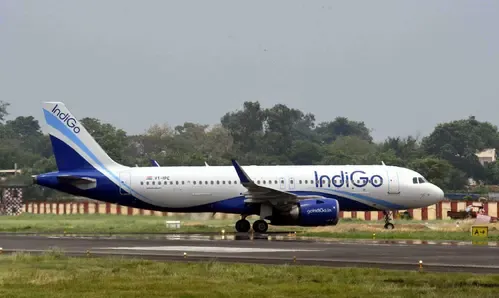
IndiGo, India's largest airline by market share, is set to cut its domestic flight capacity by 5–7 per cent between June and August 2026, making it the second major Indian carrier to scale back operations this season after Air India. The reduction reflects a combination of softer post-summer travel demand and mounting cost pressures across the aviation sector.
Scale of the Capacity Cuts
IndiGo has already trimmed its international capacity by nearly 17 per cent as part of temporary schedule adjustments. The domestic rollback, spanning three months, follows Air India's announcement of a 22 per cent reduction in domestic operations during June and July. Together, the two carriers account for the bulk of scheduled domestic seats in India.
Sources familiar with the matter indicated that IndiGo's decision was primarily driven by demand-based recalibration. 'This is being done for capacity adjustments basis demand. Nothing related to ATF,' the sources said.
The Fuel and Currency Headwinds
Industry observers, however, have pointed to a broader set of pressures. Aviation turbine fuel (ATF) accounts for nearly a quarter of an airline's operating expenses, making carriers acutely sensitive to crude oil price swings. The ongoing conflict in Iran has added fresh uncertainty to global energy markets, pushing crude prices significantly higher in recent months.
Since India imports a large share of its crude oil requirements, domestic airlines have been particularly exposed to these global shocks. A weakening rupee has compounded the cost burden, raising the effective import bill for fuel and aircraft leases denominated in foreign currency.
Demand Dynamics After Peak Season
Airlines typically see a sharp dip in passenger volumes once the summer vacation window closes and school-holiday travel tapers off. Analysts said the convergence of moderating demand and elevated fuel costs has forced carriers to reassess capacity plans rather than fly under-utilised aircraft at a loss.
Notably, this is not the first time IndiGo has made tactical capacity adjustments — the airline undertook similar moves during the post-COVID recovery phase when demand recovery was uneven across routes.
Bengaluru Airport Smoke Scare
Separately, a safety incident was reported at Kempegowda International Airport, Bengaluru on Tuesday when smoke was observed aboard IndiGo flight 6E 6017, bound for Chennai, while the aircraft was taxiing for departure. The airline confirmed the incident, stating that the aircraft was taxiing towards the runway when smoke was noticed. Passengers were deplaned as a precautionary measure, according to reports. No injuries were reported.
What to Watch
With both IndiGo and Air India pulling back capacity simultaneously, airfare dynamics on key domestic routes could tighten through the monsoon quarter. Aviation analysts will be watching whether smaller carriers such as SpiceJet and Akasa Air move to fill the gap — or follow suit with their own schedule reductions as the cost environment remains challenging.
Point of View
While structurally intact, is not immune to seasonal gravity or macro shocks. What is worth scrutinising is the gap between IndiGo's stated rationale — pure demand adjustment — and the industry-wide context of surging ATF costs and a weakening rupee. Both explanations can be true, but the framing matters for investors and regulators watching airline balance sheets. If smaller carriers fill the capacity vacuum, fares may not spike; if they contract too, the monsoon quarter could see a meaningful affordability squeeze for travellers on thin-margin routes.
NationPress
20 Sept 2026
Frequently Asked Questions
By how much is IndiGo cutting domestic flight capacity in 2026?
IndiGo is reducing its domestic flight capacity by 5–7 per cent between June and August 2026. The airline has also already cut international capacity by nearly 17 per cent as part of temporary schedule adjustments.
Why is IndiGo reducing its flight capacity?
According to sources close to the airline, the cuts are primarily demand-based, reflecting softer post-summer travel volumes once the school-holiday season ends. Industry observers have also cited rising aviation turbine fuel costs and a weaker rupee as broader pressures, though IndiGo said the reduction is 'nothing related to ATF.'
Which other Indian airline has announced a similar capacity cut?
Air India announced a 22 per cent reduction in domestic flight operations during June and July 2026, making IndiGo the second major Indian carrier to scale back this season.
What happened at Bengaluru airport involving an IndiGo flight?
Smoke was observed aboard IndiGo flight 6E 6017, bound for Chennai from Bengaluru, while the aircraft was taxiing for departure at Kempegowda International Airport on Tuesday. The airline confirmed the incident; no injuries were reported.
How do fuel prices affect Indian airlines?
Aviation turbine fuel accounts for nearly a quarter of an airline's operating expenses, making carriers highly sensitive to crude oil price movements. India imports a large share of its crude requirements, so global price spikes — compounded by a weakening rupee — directly raise operating costs for domestic carriers.