Ajmal slams jailed CMs suspension rule, calls UCC a BJP poll plank
Synopsis
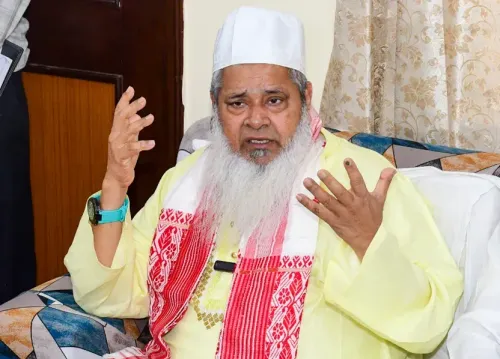
AIUDF chief Badruddin Ajmal used the Guwahati assembly session sidelines to fire on two fronts: he dismissed a parliamentary panel's reported move to suspend — not remove — jailed PMs and CMs as a self-serving exercise by lawmakers protecting themselves, and accused the BJP of weaponising the UCC debate purely for electoral gain ahead of the Uttar Pradesh polls.
Key Takeaways
AIUDF chief Badruddin Ajmal on 13 July criticised a parliamentary panel's reported recommendation to suspend rather than remove a PM or CM in judicial custody for 30 days .
Ajmal alleged lawmakers across party lines protect each other and will not enact stringent accountability laws against themselves.
He claimed, without providing evidence, that more than 65 per cent of MPs face criminal cases.
Ajmal accused the BJP of raising the Uniform Civil Code (UCC) issue primarily to secure Hindu votes ahead of the Uttar Pradesh Assembly elections .
The parliamentary panel's proposal — suspension instead of removal — has sparked debate but no legislative consensus has emerged yet.
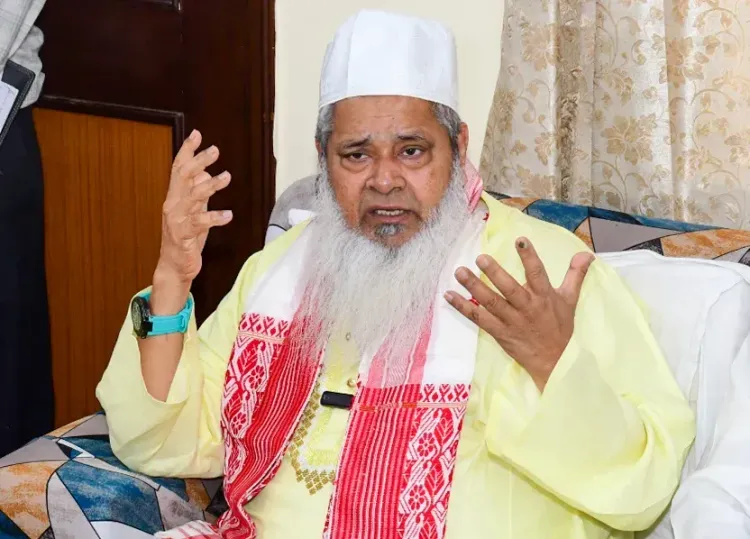
All India United Democratic Front (AIUDF) chief and Binnakandi MLA Badruddin Ajmal on Monday, 13 July sharply criticised a parliamentary panel's reported recommendation to suspend — rather than remove — a Prime Minister or Chief Minister who remains in judicial custody for 30 days, arguing that elected representatives would never legislate accountability measures that could be turned against themselves. Ajmal made the remarks in Guwahati on the sidelines of the ongoing assembly session.
Ajmal's Critique of the Suspension Proposal
Reacting to the reported recommendation, Ajmal questioned the intent behind the proposal, saying the political class fundamentally lacks the will to hold its own accountable. He argued that those who impose punishment would eventually face it themselves — a contradiction he said makes meaningful reform impossible.
He alleged that lawmakers across party lines shield one another and are collectively unwilling to enact stringent legal provisions against elected representatives. 'No one would punish anyone or frame laws against themselves — this is merely an exercise to fool the people,' he said. Notably, Ajmal offered no documentary evidence to support his broader claim that more than 65 per cent of MPs are currently facing criminal cases, though data from the Association for Democratic Reforms (ADR) has consistently shown significant proportions of sitting MPs with declared criminal cases.
What the Parliamentary Panel Reportedly Proposed
The panel under scrutiny has reportedly suggested that constitutional functionaries — including the Prime Minister and Chief Ministers — should face suspension from office rather than automatic removal if they remain in judicial custody for 30 days or more. The distinction is significant: suspension preserves the possibility of reinstatement, while removal does not. Critics argue the softer provision dilutes accountability; supporters contend it prevents politically motivated prosecutions from destabilising elected governments.
The proposal has triggered debate across party lines, with no consensus yet on whether the suspension threshold is an adequate safeguard or a loophole.
Ajmal Targets BJP Over UCC
The AIUDF leader also trained his fire on the Bharatiya Janata Party (BJP) over the proposed implementation of the Uniform Civil Code (UCC), accusing the ruling party of deploying the issue as an electoral instrument rather than a genuine governance priority. He alleged that the UCC debate was being revived primarily with an eye on upcoming elections — particularly the Uttar Pradesh Assembly polls — and claimed the BJP was raising the issue to consolidate Hindu votes.
Ajmal said the BJP government would implement the UCC in states where it holds power, but predicted that 'nothing substantial would happen' at the national level. This comes amid active UCC implementation efforts in Uttarakhand, which became the first state to enact a UCC law, and ongoing discussions in other BJP-governed states.
Broader Context
Ajmal's remarks arrive at a moment of heightened political sensitivity around two intersecting debates: judicial accountability for sitting constitutional heads, and the UCC's electoral optics. The parliamentary panel's recommendations, once finalised, would require legislative action — a path that critics like Ajmal argue is structurally blocked by the self-interest of the very lawmakers who must approve it. With assembly elections in several states on the horizon, both issues are likely to remain flashpoints in the coming months.
Point of View
Lending partial credibility to his larger argument even as his 65% figure goes unsubstantiated. The more pointed observation is structural: a legislature populated by members facing criminal proceedings is an inherently conflicted body when asked to tighten accountability norms for itself. On the UCC, Ajmal's 'poll plank' charge is not new, but the timing — with Uttarakhand already implementing a UCC and UP elections approaching — gives it fresh traction. The real question mainstream coverage underplays is whether the suspension-versus-removal distinction in the panel's proposal is a principled safeguard against political misuse of courts, or a soft landing designed to protect incumbents. That debate deserves far more scrutiny than the political theatre around it.
NationPress
12 Oct 2026
Frequently Asked Questions
What did the parliamentary panel reportedly recommend about jailed Prime Ministers and Chief Ministers?
The panel reportedly recommended that a Prime Minister or Chief Minister should be suspended from office — rather than automatically removed — if they remain in judicial custody for 30 days or more. The proposal is intended to prevent destabilisation of elected governments through politically motivated prosecutions, but critics argue it dilutes accountability.
Why did Badruddin Ajmal criticise the suspension proposal?
Ajmal argued that elected representatives would never legislate measures that could be used against themselves, alleging that lawmakers across party lines protect each other. He called the proposal an exercise to mislead the public rather than a genuine accountability reform.
What is Ajmal's allegation about criminal cases among MPs?
Ajmal claimed that more than 65 per cent of MPs are facing criminal cases, though he did not furnish evidence for this specific figure. Data from election watchdog bodies has consistently shown a significant proportion of sitting MPs with declared criminal antecedents.
Why does Ajmal say the BJP is pushing the Uniform Civil Code?
Ajmal alleged that the BJP is reviving the UCC debate primarily to consolidate Hindu votes ahead of key Assembly elections, particularly in Uttar Pradesh. He predicted that while the BJP would implement the UCC in states it governs, no substantial national-level action would follow.
Which state has already enacted a Uniform Civil Code?
Uttarakhand became the first Indian state to enact a Uniform Civil Code law. Several other BJP-governed states are reportedly in various stages of discussion on implementing similar legislation.