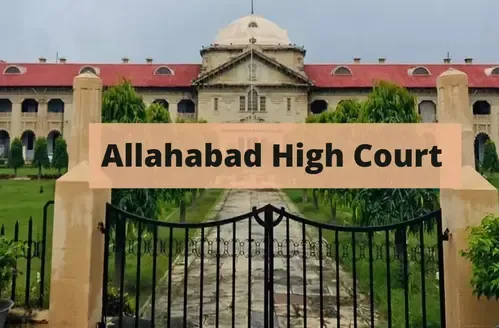
Allahabad HC refuses to quash FIR over anti-national Facebook posts against PM Modi, RSS
Synopsis
The Allahabad High Court has refused to quash an FIR against two men accused of sharing allegedly anti-national Facebook posts targeting PM Modi and the RSS, ruling that freedom of speech on social media does not extend to content designed to provoke communal disharmony. The case now heads to trial in Sonbhadra.
Key Takeaways
The Allahabad High Court dismissed a plea by Jubair Ansari and another accused seeking to quash an FIR over allegedly anti-national Facebook posts targeting PM Modi and the RSS .
The ruling was delivered by Justice Saurabh Srivastava on 6 May under Section 528 of the BNSS .
The FIR was registered at Anpara Police Station under multiple sections of the Bharatiya Nyaya Sanhita (BNS) , including Section 196(1)(a) on promoting enmity between groups.
The court observed that allegations were prima facie supported by investigation evidence and that the magistrate was not required to assess conviction at the summoning stage.
The case will now proceed to trial before a Sonbhadra court.
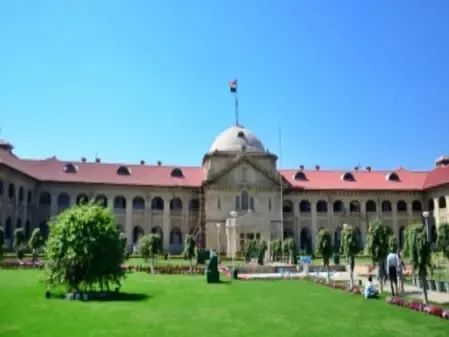
The Allahabad High Court has refused to quash criminal proceedings against two persons accused of sharing allegedly "anti-national" and derogatory posts against Prime Minister Narendra Modi and the Rashtriya Swayamsewak Sangh (RSS) on Facebook, observing that social media cannot be misused to spread content capable of disturbing public harmony. The ruling was delivered by a single-judge Bench of Justice Saurabh Srivastava at Prayagraj on 6 May.
Background and Charges
The accused, Jubair Ansari and another individual, had filed a plea under Section 528 of the Bharatiya Nagarik Suraksha Sanhita (BNSS) seeking quashing of the entire criminal proceedings, including the charge sheet and the cognisance order passed by a Sonbhadra court in November last year. The original FIR was registered at Anpara Police Station under Sections 353(2), 196(1)(a), 3(5), 352 and 351(2) of the Bharatiya Nyaya Sanhita (BNS).
According to the FIR, the accused had allegedly circulated objectionable and "anti-national" posts sourced from the Facebook account of a Pakistani YouTuber. The prosecution alleged that several posts on their accounts were directed against the Prime Minister and the RSS.
What the Court Said
Justice Srivastava observed that while social media provides a platform for people to freely express their views, "sometimes the line is crossed when such information is posted without understanding the consequences of such instances." The court further noted that "sometimes social media is misused where people post such comments which hurt the feelings of others and trigger disharmony on a large scale."
Explaining the scope of Section 196(1)(a) of the BNS — which replaced Section 153A of the Indian Penal Code — the court said the provision is attracted when a social media post deliberately promotes enmity, hatred, or ill-will between groups based on religion, caste, language, race, or community. The court clarified that the provision requires a "clear, deliberate intention to create disharmony" and applies where content is likely to disrupt public harmony or provoke breach of the peace.
Arguments by the Accused
Counsel for the applicants argued that the FIR was lodged with mala fide intention and that no specific date or time of the alleged incident had been mentioned. They further contended that the allegations were vague, based solely on Facebook posts, and that the magistrate had mechanically taken cognisance without proper application of mind.
The prosecution, opposing the plea, submitted that the issues raised pertained to disputed questions of fact requiring appreciation of evidence during trial and could not be examined in quashing proceedings.
Court's Final Ruling
The Allahabad High Court observed that the allegations against the applicants were prima facie supported by evidence collected during investigation and that, at the stage of summoning, a magistrate is only required to determine whether there is sufficient ground for proceeding — not whether the accusations are sufficient for conviction. "From perusal of the material on record, at this stage, it cannot be said that no offence is made out against the applicants," the court stated. The plea was dismissed as "devoid of merit," with the court holding that no case for interference under its inherent jurisdiction was made out.
The matter will now proceed to trial before the Sonbhadra court, where the accused will have the opportunity to contest the charges on merits.
Point of View
The court's invocation of Section 196(1)(a) of the BNS, the successor to the widely debated Section 153A of the IPC, signals that the new criminal code is being actively applied to online speech cases. The accused's argument of vagueness and mala fide intent — a standard defence in such FIR quashing pleas — found no traction at this stage, though the trial remains the real test of the prosecution's evidence. Courts have historically been cautious about quashing FIRs at the threshold; the harder questions around intent and actual harm to public order will now be tested in Sonbhadra.
NationPress
25 Sept 2026
Frequently Asked Questions
Why did the Allahabad High Court refuse to quash the FIR?
The court found that the allegations against the accused were prima facie supported by investigation evidence and that no case for interference under its inherent jurisdiction was made out. It observed that social media freedom does not extend to content capable of provoking communal disharmony.
What were the accused charged with?
The accused, Jubair Ansari and another individual, were charged under Sections 353(2), 196(1)(a), 3(5), 352, and 351(2) of the Bharatiya Nyaya Sanhita (BNS) for allegedly sharing anti-national and derogatory posts against PM Modi and the RSS on Facebook.
What is Section 196(1)(a) of the BNS?
Section 196(1)(a) of the Bharatiya Nyaya Sanhita replaced Section 153A of the Indian Penal Code. It is invoked when a social media post or other content deliberately promotes enmity, hatred, or ill-will between groups based on religion, caste, language, race, or community.
What happens next in this case?
With the quashing plea dismissed, the criminal proceedings will continue before the Sonbhadra court in Uttar Pradesh, where the accused will have the opportunity to contest the charges on merits during trial.
What did the accused argue in their defence?
The accused argued that the FIR was lodged with mala fide intent, that no specific date or time of the alleged incident was mentioned, that the allegations were vague, and that the magistrate had mechanically taken cognisance without proper application of mind.