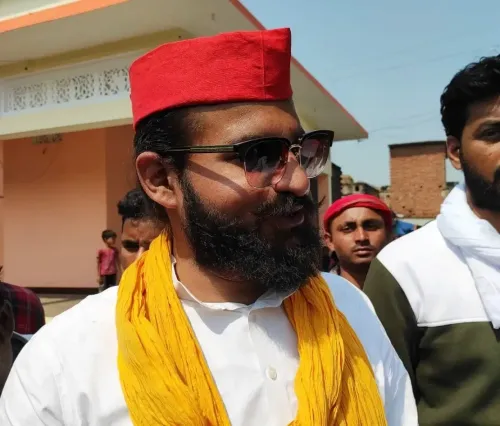
Supreme Court Upholds Relief for Abbas Ansari in Hate Speech Case
Synopsis
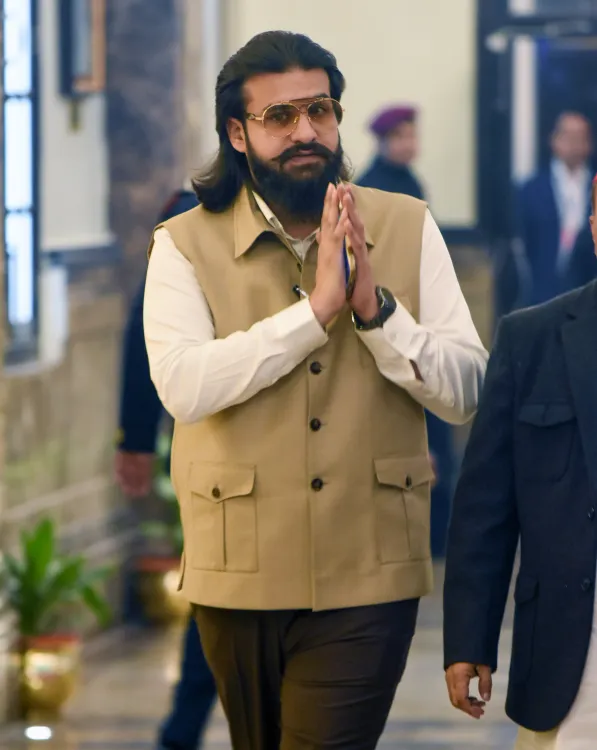
The Supreme Court has upheld the Allahabad High Court's decision to stay the conviction of Abbas Ansari, allowing him to retain his position in the Uttar Pradesh Legislative Assembly. This ruling marks a crucial step in the ongoing legal battle stemming from his controversial speech during the 2022 elections.
Key Takeaways
The Supreme Court's ruling allows Abbas Ansari to retain his legislative position.
Allahabad High Court's order emphasized the lack of sufficient evidence for the charges.
Political speech remains a contentious issue in legal contexts.
The case highlights the complexities of accountability in political discourse.
Public response to political remarks can lead to significant legal ramifications.
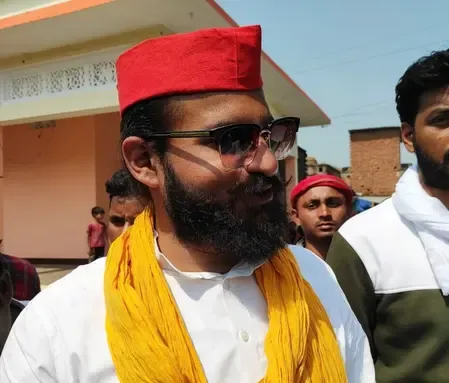
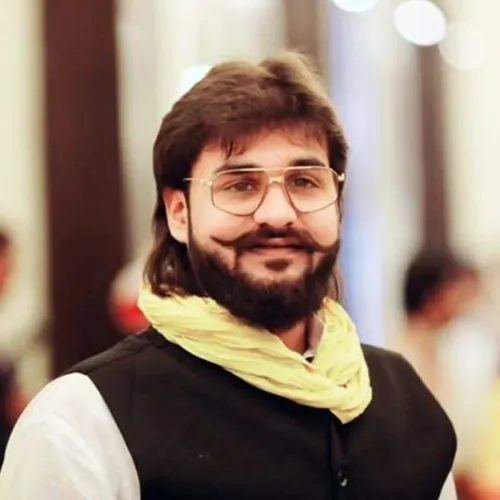
New Delhi, April 10 (NationPress) In a significant development for Mau MLA Abbas Ansari, the Supreme Court on Friday opted not to intervene in the Allahabad High Court's ruling that suspended his conviction in a 2022 hate speech case. This decision allows him to maintain his position in the Uttar Pradesh Legislative Assembly. A bench comprising Chief Justice of India Justice Surya Kant along with Justices Joymalya Bagchi and Vipul Pancholi rejected the Uttar Pradesh government's appeal against the Allahabad High Court's decision, which had provided relief to Ansari, son of the late gangster-turned-politician Mukhtar Ansari.
The Allahabad High Court, in its order dated August 20, 2025, annulled the Sessions Court's refusal to stay Ansari’s conviction, stating that the situation merited the use of the appellate court's jurisdiction in “rare and exceptional circumstances.”
Justice Sameer Jain, from the single-judge bench, noted, “The conviction of the revisionist deprived his constituency of legitimate representation… refusal to stay his conviction amounts to injustice not only to the revisionist but also to the electorate.”
Additionally, the order indicated that the available evidence did not sufficiently support the charges under Sections 153A and 171F of the IPC.
It further stated that a speech that critiques the administration cannot be viewed as inciting enmity between groups or exerting undue influence in elections.
This case originated from a speech given by Ansari during the March 2022 elections in Mau, where he allegedly made incendiary comments directed at government officials.
A local MP-MLA court sentenced him to two years in prison on May 31, 2025, resulting in his disqualification under Section 8 of the Representation of the People Act.
After his conviction, the Uttar Pradesh Assembly Secretariat terminated his membership and initiated by-election procedures. However, once the Allahabad High Court stayed his conviction, his membership was reinstated in September 2025, adhering to the judicial directive.
Ansari had won the Mau seat in the 2022 Assembly elections. His contentious remarks during the campaign suggested accountability for officials if the Samajwadi Party came to power. He had stated, “I have informed the Samajwadi Party chief, Akhilesh Yadav, that after the government is formed, there will be no transfers or postings for six months. Everyone will remain where they are. Initially, there will be 'Hisab-Kitab', only then will transfers take place.”
His comments were perceived as threatening and inflammatory, leading the Election Commission of India (ECI) to impose a campaigning ban at that time. His speech garnered considerable attention on social media, resulting in a criminal case filed against him at the Kotwali Nagar police station in 2022, with six witnesses testifying during the trial.
Point of View
The Supreme Court's decision reflects a complex interplay between political discourse and legal accountability. While the ruling provides relief to Abbas Ansari, it also ignites a broader conversation about the boundaries of free speech in political contexts. This case is emblematic of the challenges faced by lawmakers and the electorate in navigating the fine line between advocacy and incitement.
NationPress
16 Oct 2026
Frequently Asked Questions
What was the basis for the Supreme Court's decision?
The Supreme Court upheld the Allahabad High Court's order which stated that the evidence did not sufficiently support the conviction under relevant IPC sections, and that the case warranted exceptional judicial intervention.
What were Abbas Ansari's controversial remarks about?
Ansari's remarks during his 2022 election campaign suggested accountability for government officials, which were interpreted as threatening and led to his conviction.
What are the implications of this ruling for Abbas Ansari?
The ruling allows Abbas Ansari to maintain his position in the Uttar Pradesh Legislative Assembly, overturning his disqualification stemming from the conviction.
How did the Election Commission respond to Ansari's speech?
The Election Commission of India imposed a ban on Abbas Ansari's campaigning due to the inflammatory nature of his remarks.
What legal proceedings are still ongoing regarding this case?
While the conviction is currently stayed, the legal proceedings surrounding the case and its implications for political speech continue to unfold.