Amarnath Yatra 2026: J&K L-G Sinha urges civil society to make SANJY-2026 a model of service
Synopsis
J&K L-G Manoj Sinha has called on civil society to make SANJY-2026 a symbol of collective service — but the bigger story is what pilgrims won't have this year: helicopter services. A government order has declared all Yatra routes a No Flying Zone from 1 July 2026, forcing every devotee, regardless of age or ability, to trek on foot or use pony and palki services to reach the 3,880-metre cave shrine.
Key Takeaways
J&K L-G Manoj Sinha on 27 June 2026 appealed to civil society to make SANJY-2026 a model of selfless service and communal harmony.
Helicopter services for pilgrim travel have been suspended across all Amarnath Yatra routes under Government Order No.
321–HOME of 2026 dated 1 June 2026 .
All routes — including Pahalgam and Baltal axes — are declared a 'No Flying Zone' from 1 July 2026 until the Yatra's conclusion.
Pilgrims may reach the holy cave shrine on foot or via ponies and palkis ; no aerial option is available this year.
The Amarnath cave shrine is located at 3,880 metres in Anantnag district , south Kashmir.
The Pahalgam route takes approximately four days on foot; the Baltal route can be completed as a same-day trek.
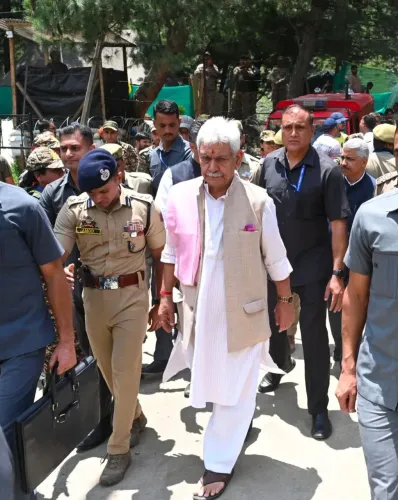
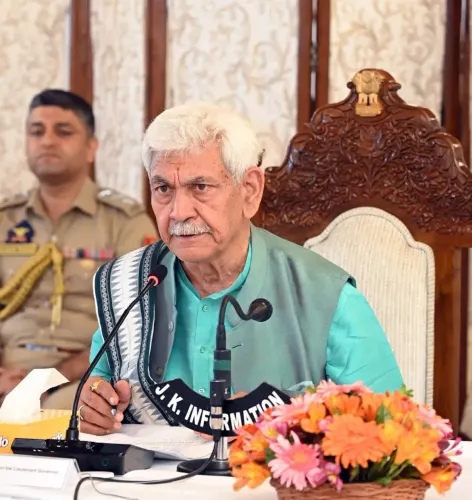
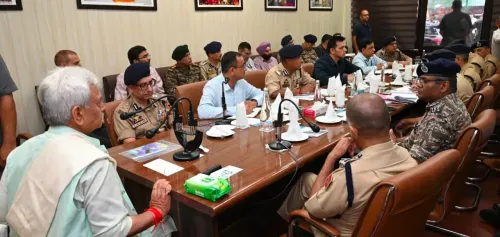
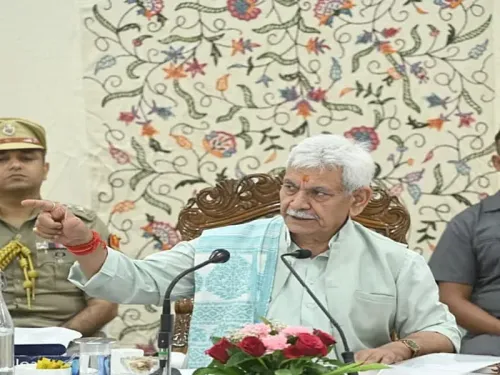
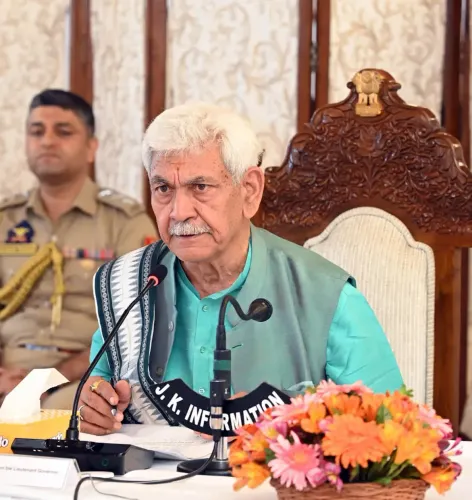
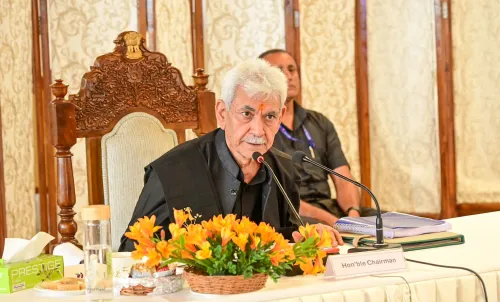
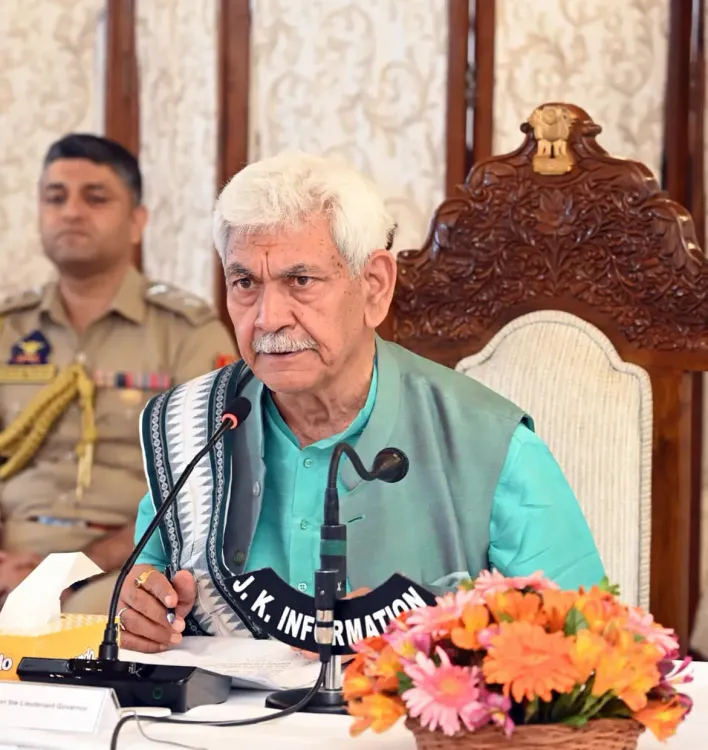
Jammu & Kashmir Lieutenant Governor Manoj Sinha on Saturday, 27 June 2026, called upon civil society — including religious leaders, business communities, elected representatives, and social organisations — to collectively ensure that the Shri Amarnathji Yatra (SANJY) 2026 stands as a beacon of selfless service and communal harmony. The appeal was made during a dedicated interaction in Srinagar focused on preparations for the upcoming pilgrimage.
L-G's Call for Collective Service
Addressing civil society members, Sinha stressed that the success of the Amarnath Yatra cannot be judged by infrastructure upgrades alone. 'While infrastructure helps pilgrims reach the holy cave, the spirit of service and sensitivity is equally important,' he said. He urged all stakeholders to rise above narrow considerations and make the pilgrimage an example of faith and humanity working in tandem.
Sinha noted that significant investments have been made in roads, connectivity, and facilities along the Yatra routes, making this year's edition better-equipped than previous ones. Yet, he emphasised, the human element — the warmth and care extended to pilgrims — remains irreplaceable.
Key Facts About the Amarnath Shrine and Routes
The Shri Amarnathji Shrine is a Himalayan cave temple situated at an altitude of 3,880 metres in south Kashmir's Anantnag district. The cave houses a naturally formed ice stalagmite that devotees believe symbolises the mythical powers of Lord Shiva, and which is said to wax and wane with the lunar cycle.
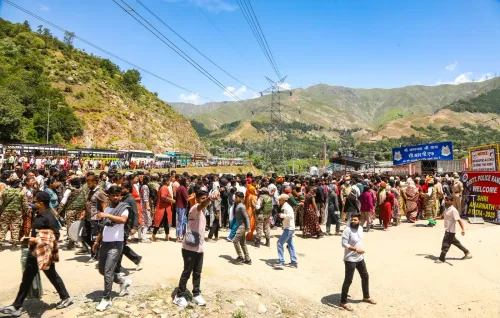
Pilgrims access the shrine via two routes: the longer, traditional Pahalgam base camp route — which takes approximately four days on foot — and the shorter Baltal base camp route in north Kashmir, from which devotees can complete the trek and return the same day after 'Darshan' inside the cave.
No Helicopter Services This Year
In a significant operational change for SANJY-2026, helicopter services for pilgrim travel have been suspended across all Yatra routes. The Shri Amarnathji Shrine Board (SASB) — of which L-G Sinha is chairman — published a notification confirming that the Competent Authority, through Government Order No. 321–HOME of 2026 dated 1 June 2026, has declared all routes, including both the Pahalgam and Baltal axes, a 'No Flying Zone' effective 1 July 2026 until the conclusion of the Yatra.
The SASB has advised pilgrims to plan their journey accordingly, noting that they may reach the holy cave shrine on foot or avail the services of ponies and palkis throughout the duration of the Yatra. The decision has been attributed to security considerations.
What This Means for Pilgrims
The suspension of helicopter services marks a notable shift from previous years, when aerial connectivity offered a faster and physically less demanding option for elderly or differently-abled pilgrims. This year, all devotees — regardless of age or physical condition — will need to rely on foot travel or pony and palki services.
Civil society groups, as urged by the L-G, are expected to play a critical support role in assisting vulnerable pilgrims along both routes. With the Yatra drawing hundreds of thousands of devotees annually, the emphasis on community-driven service takes on added significance this year.
As SANJY-2026 approaches, the administration's focus appears to be on ensuring a spiritually meaningful and logistically safe pilgrimage — one that, according to Sinha, should demonstrate to the world that 'faith and harmony can go hand in hand.'
Point of View
Yet it has been framed primarily as a security measure with little public elaboration. For elderly and differently-abled pilgrims who relied on aerial access, this is a significant hardship — and the administration's call for civil society to fill the gap with 'service and sensitivity' cannot substitute for a clear support infrastructure. The L-G's appeal for harmony is well-intentioned, but the real test will be how the SASB and state machinery handle medical emergencies and crowd management along two physically demanding high-altitude routes without the safety valve of helicopter evacuation.
NationPress
26 Sept 2026
Frequently Asked Questions
Why have helicopter services been suspended for Amarnath Yatra 2026?
The Competent Authority has declared all Amarnath Yatra routes — including both Pahalgam and Baltal axes — a 'No Flying Zone' from 1 July 2026 until the Yatra's completion, citing security reasons. This is confirmed under Government Order No. 321–HOME of 2026 dated 1 June 2026.
How can pilgrims reach the Amarnath cave shrine in 2026 without helicopters?
Pilgrims can reach the holy cave shrine on foot or by availing pony and palki services along both the Pahalgam and Baltal routes. The Pahalgam route takes approximately four days on foot, while the Baltal route can be completed as a same-day trek.
What did J&K L-G Manoj Sinha say about SANJY-2026?
L-G Sinha urged civil society — including religious, business, and political leaders — to make SANJY-2026 an example of collective service and harmony. He said that while infrastructure improvements have been made, the spirit of service and sensitivity among communities is equally vital to the pilgrimage's success.
Who manages the Amarnath Yatra?
The Amarnath Yatra is managed by the Shri Amarnathji Shrine Board (SASB). The J&K Lieutenant Governor serves as the chairman of the SASB and oversees all administrative and logistical arrangements for the annual pilgrimage.