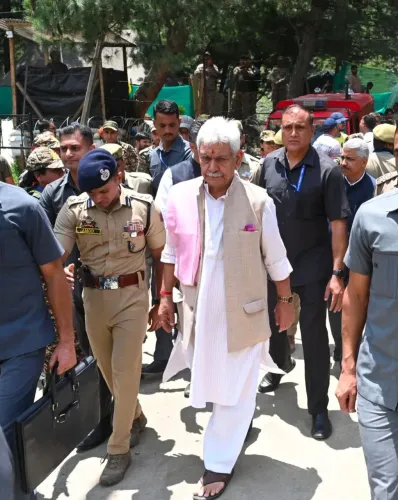
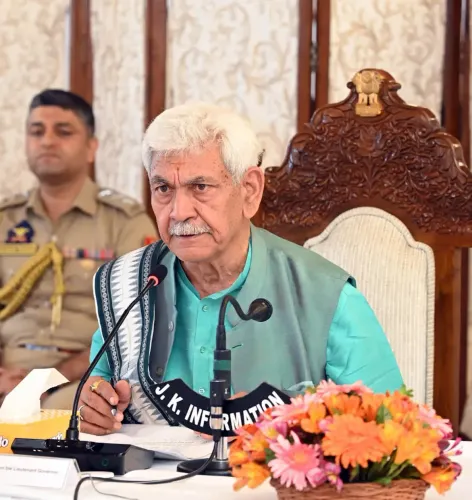
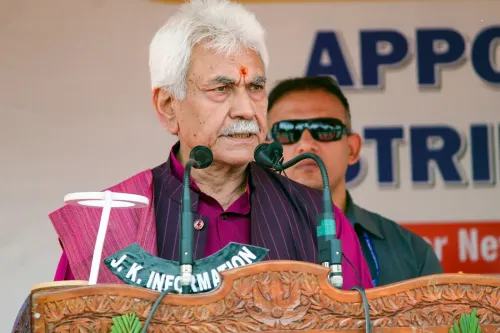
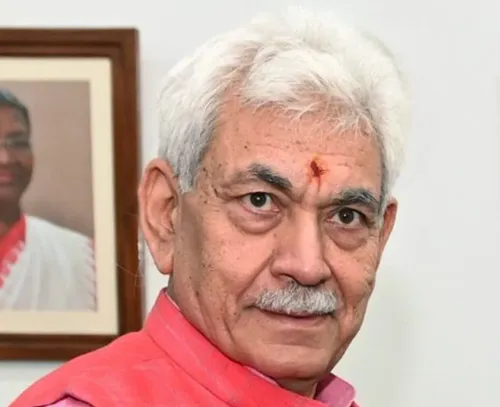
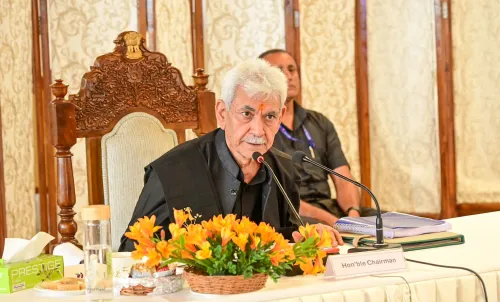
J&K L-G Manoj Sinha reviews Amarnath Yatra 2026 arrangements at Baltal
Synopsis
Less than a week before the Shri Amarnath Ji Yatra 2026 kicks off on 3 July, J&K L-G Manoj Sinha made a ground-level inspection at Baltal, launching a zero-waste 'Shubham–Shivam' sanitation campaign and unveiling a new website, anthem, logo, and mascot — while confirming that helicopters will be off-limits for pilgrims this year.
Key Takeaways
J&K L-G Manoj Sinha visited Baltal base camp on 28 June to review Amarnath Yatra 2026 preparations.
The Yatra runs from 3 July to 28 August 2026 , concluding on Shravan Purnima / Raksha Bandhan .
The 'Shubham–Shivam' zero-landfill sanitation campaign was launched at Baltal, along with a new website, anthem, logo, and mascot.
The route beyond both base camps is a no-fly zone — no helicopter services will be available to pilgrims this year.
The cave shrine stands at 3,880 metres above sea level in Anantnag district , Kashmir Himalayas.
Pilgrims can travel via the Pahalgam route (four-day trek) or the shorter same-day Baltal route .
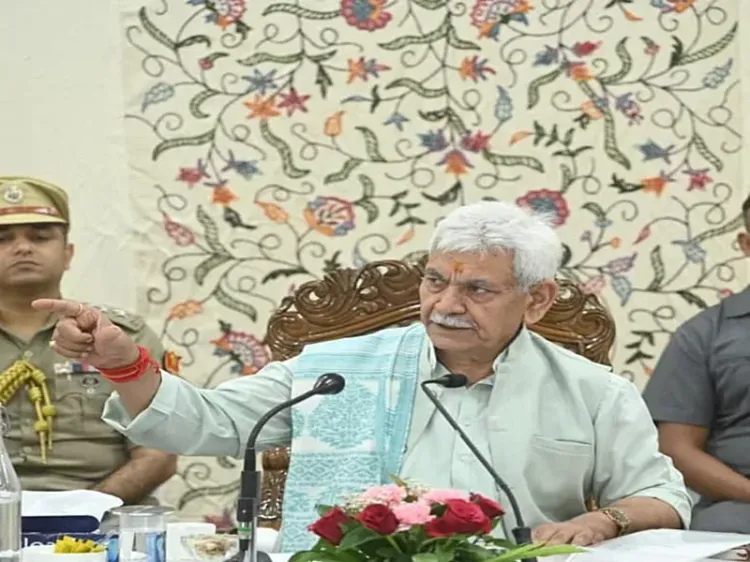
Jammu and Kashmir Lieutenant Governor Manoj Sinha on Sunday, 28 June visited the Baltal base camp in north Kashmir to personally review preparations for the Shri Amarnath Ji Yatra (SANJY) 2026, which is set to begin on 3 July. The L-G chaired a high-level meeting with senior officials, inspecting infrastructure, security arrangements, and pilgrim amenities ahead of the annual pilgrimage.
What the L-G Reviewed
Manoj Sinha examined infrastructure, security measures, and overall logistics at the base camp, directing all stakeholder departments to ensure every amenity is in place before the Yatra commences. He expressed confidence that this year's pilgrimage would be safer and better managed than in previous years.
In a post on X, Sinha said: 'My priority is that every pilgrim can enjoy the spiritual journey and leave with a truly enriching and fulfilling experience. The sacred Yatra is a moment of faith and shared joy. I want the arrangements to reflect that spirit, ensuring that Teerth Yatris are well cared for.'
Shubham-Shivam Clean Yatra Campaign Launched
At Baltal, the L-G officially launched the Directorate of Rural Sanitation's 'Shubham–Shivam' campaign, aimed at achieving a sustainable, clean, and zero-landfill Amarnath Yatra. Alongside the campaign, he unveiled a new website, pilgrimage anthem, logo, and mascot for SANJY 2026.
Sinha credited Karmyogi volunteers as the backbone of the sanitation drive, calling them 'the real heroes turning our zero-waste vision into reality.' The initiative incorporates several eco-innovations to preserve both the environment and the spiritual sanctity of the shrine.
Key Details of the 2026 Yatra
The Shri Amarnath Ji Yatra 2026 will run from 3 July to 28 August, concluding on Shravan Purnima, which coincides with Raksha Bandhan. The cave shrine is situated at an altitude of 3,880 metres above sea level in the Anantnag district of the Kashmir Himalayas.
Pilgrims may choose between two routes: the longer traditional Pahalgam route, which involves a four-day trek to the shrine, or the shorter Baltal route, which allows devotees to complete the journey and return to the base camp on the same day. Notably, the route beyond both base camps to the cave shrine has been declared a no-fly zone, meaning no helicopter services will be available to pilgrims during the 2026 Yatra.
Spiritual Significance of the Shrine
The cave shrine is revered for housing a naturally occurring ice stalagmite that waxes and wanes with the lunar cycle. Devotees believe the formation symbolises the mythical powers of Lord Shiva. Preparations for the Yatra have been coordinated over several months by the Shri Amarnathji Shrine Board, the J&K administration, security agencies, and other stakeholders.
With the pilgrimage less than a week away, all eyes will be on whether the ground-level execution matches the ambition of a zero-waste, zero-incident Yatra.
Point of View
Not just a religious event. The no-helicopter decision is significant — it removes a safety escape valve that has been used in past medical emergencies on the route, placing greater pressure on ground-level medical and rescue infrastructure. The 'Shubham–Shivam' zero-waste campaign is a welcome intent, but the Amarnath route has seen ecological degradation for years; the real measure will be post-Yatra waste data, not launch-day optics. With security agencies also in the coordination loop, the Centre's sensitivity to any disruption in Kashmir during a high-footfall religious event is evident.
NationPress
27 Sept 2026
Frequently Asked Questions
When does the Amarnath Yatra 2026 start and end?
The Shri Amarnath Ji Yatra 2026 begins on 3 July and concludes on 28 August, coinciding with Shravan Purnima and Raksha Bandhan. The pilgrimage spans approximately 57 days.
Why did L-G Manoj Sinha visit Baltal base camp?
L-G Manoj Sinha visited Baltal on 28 June to personally review infrastructure, security, and pilgrim amenities ahead of the Yatra's 3 July start. He chaired a meeting with senior officials and directed all departments to ensure arrangements are complete.
What is the 'Shubham–Shivam' campaign launched at Baltal?
It is a sanitation initiative by the Directorate of Rural Sanitation aimed at achieving a sustainable, clean, and zero-landfill Amarnath Yatra. The campaign relies on Karmyogi volunteers to keep base camps and trekking tracks clean throughout the pilgrimage period.
Are helicopters available for the Amarnath Yatra 2026?
No. The route beyond both the Baltal and Pahalgam base camps to the cave shrine has been declared a no-fly zone, meaning no helicopter services will be available to pilgrims during the 2026 Yatra.
What are the two routes to the Amarnath cave shrine?
Pilgrims can take the traditional Pahalgam route, a four-day trek, or the shorter Baltal route, which allows devotees to visit the shrine and return to the base camp on the same day. Both routes converge at the cave shrine situated at 3,880 metres above sea level in Anantnag district.