Amul, Mother Dairy milk price hike 2026: Consumers flag budget strain

Synopsis
Amul and Mother Dairy have raised milk prices by up to ₹4 per litre — the steepest single revision in recent memory — effective 12 November 2026. For millions of Indian households that buy milk daily, the cumulative annual impact is significant, and consumer voices are now calling for the government to step in with price regulation on what many consider a non-negotiable essential.
Key Takeaways
Amul and Mother Dairy raised liquid milk prices by ₹2–4 per litre from 12 November 2026 .
Both companies cited higher costs of fodder, cattle feed, packaging, and transportation as reasons for the hike.
Mother Dairy's revision of ₹4 per litre at once is steeper than previous single-step increases of ₹1 per litre .
Delhi consumers warn the hike adds up significantly over 12 months , straining monthly household budgets.
Consumers are calling on the government to introduce a price regulation policy for milk, citing it as an essential commodity.
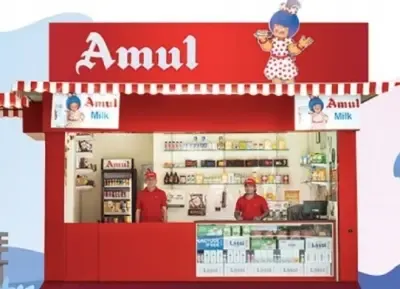
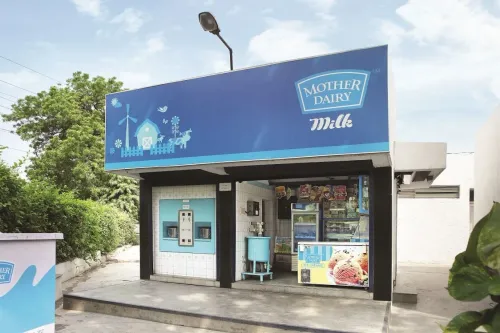
Amul and Mother Dairy, India's two leading dairy brands, raised milk prices by ₹2–4 per litre across liquid milk variants effective Thursday, 12 November 2026, triggering widespread concern among consumers in New Delhi and beyond over the growing strain on household budgets. Both companies attributed the revision to escalating input costs, including fodder, cattle feed, packaging, and transportation.
The Price Revision and What Triggered It
The hike applies across multiple liquid milk variants sold by both brands. Mother Dairy raised prices by as much as ₹4 per litre in a single revision — a steeper jump compared to previous increases of ₹1 per litre at a time, according to consumers. Amul's revision falls in the ₹2–4 per litre range depending on the variant. Both companies cited higher operational and input expenses as the primary driver of the increase.
What Consumers Are Saying
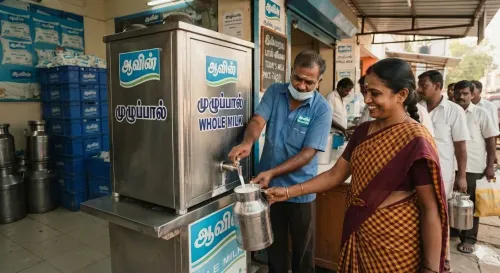
Delhi residents expressed frustration, calling the hike disproportionate and difficult to absorb. 'This is very wrong. It is becoming very difficult for us. Milk is part of our daily routine. How will we provide milk to our children? We need milk every day. What will happen if it becomes so expensive?' one Delhi resident said.
Others pointed to the cumulative financial impact of frequent revisions. 'Mother Dairy has increased the price by ₹4 at once… If you multiply that by 12 months, imagine how much of an impact it will have on an individual over the year,' said another consumer. A third resident noted a troubling pattern: 'Every two to three months, the prices go up. This is not fair to us. It becomes difficult, and the budget for the entire month gets affected.'
Inflation and Income Mismatch
Several consumers drew a direct line between rising milk prices and broader inflationary pressures on household incomes. 'Inflation is rising. How can we go on like this? People are not earning much, and the price for everything is going up. This is unfair,' said one Delhi resident. The concern reflects a wider pattern — India's food inflation has remained elevated in recent months, squeezing middle- and lower-income households disproportionately.
Calls for Government Regulation
A section of consumers called on the government to introduce price regulation for milk, arguing that it qualifies as an essential commodity consumed across all age groups. 'This time, the hike seems quite high. Earlier, prices used to increase by ₹1 at a time, but now they have directly increased by ₹4. This is putting a burden on people as inflation continues to rise. The government should take steps to control it. There should definitely be a policy on this because everyone, from infants and young children to the elderly, needs milk. It is a necessity for all, so the government should formulate a policy to regulate its prices,' one person said.
Notably, this is not the first time Amul and Mother Dairy have been in the spotlight for price revisions — both brands have revised liquid milk prices multiple times over the past two years, citing persistent input cost pressures across the dairy supply chain. With no indication that fodder or cattle feed costs are easing, further revisions cannot be ruled out in the months ahead.
Point of View
And this one arrives at a moment when food inflation is already biting household budgets. The jump to ₹4 in a single revision, after years of ₹1 increments, signals that input cost pressures in the dairy sector have structurally shifted, not merely spiked. What mainstream coverage often misses is that these two brands together command a dominant share of Delhi's organised milk retail, leaving consumers with limited ability to switch. The calls for government price regulation are unlikely to gain immediate traction — dairy pricing in India is politically sensitive but largely deregulated — meaning the burden will continue to fall on the consumer until input costs stabilise.
NationPress
12 Nov 2026
Frequently Asked Questions
By how much have Amul and Mother Dairy raised milk prices in November 2026?
Both Amul and Mother Dairy raised liquid milk prices by ₹2–4 per litre effective 12 November 2026, with Mother Dairy implementing a ₹4 per litre increase in a single revision. The exact hike varies by milk variant.
Why have Amul and Mother Dairy increased milk prices?
Both companies cited rising input and operational costs, including higher expenses on fodder, cattle feed, packaging, and transportation, as the primary reasons for the price revision.
How does the latest milk price hike compare to previous increases?
Consumers note that earlier revisions typically raised prices by ₹1 per litre at a time. The latest Mother Dairy hike of ₹4 per litre in one go is significantly steeper, making it one of the largest single-step increases in recent years.
What is the annual financial impact of this milk price hike on households?
Consumers calculate that a ₹4 per litre daily increase adds up to a substantial sum over 12 months for a family purchasing multiple litres each day. This compounds when combined with other rising food costs, putting pressure on fixed monthly budgets.
Are consumers asking the government to regulate milk prices?
Yes, several consumers have called on the government to formulate a policy to regulate milk prices, arguing that milk is an essential commodity consumed by all age groups — from infants to the elderly — and should not be subject to unchecked market-driven revisions.